
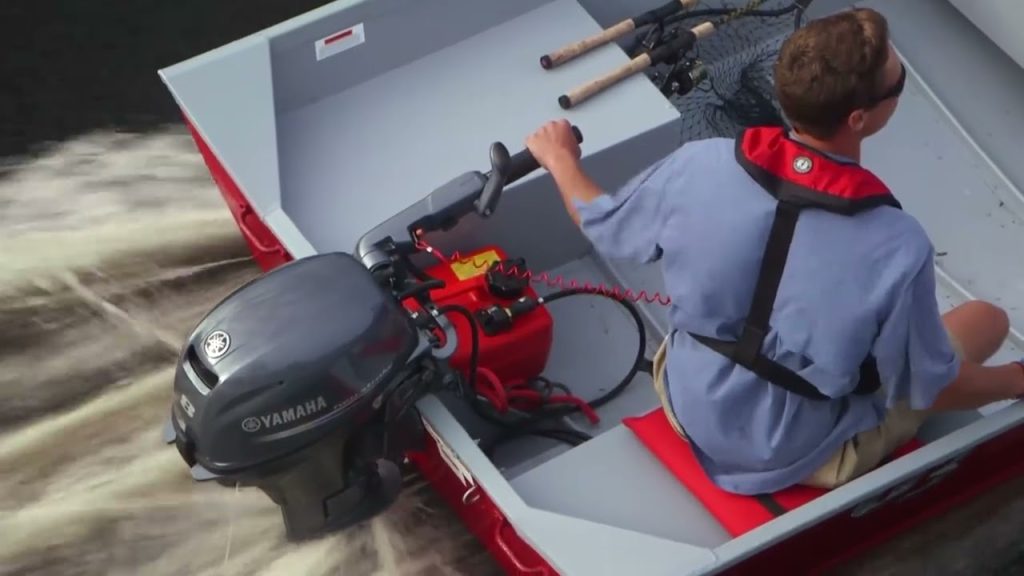
New outboard motors have never been more expensive. A small portable engine starts around $1,500, a mid-range 150 HP unit can easily clear $15,000, and the flagship Mercury V12 Verado sits above $80,000. Those numbers push plenty of boaters toward a smarter alternative. Buying 2nd hand outboard engines has become one of the most practical ways to get on the water without draining your savings account. Whether you are a weekend angler, a first-time boat owner, or someone looking to repower an ageing hull, the pre-owned market is full of opportunity — if you know where to look and what to look for.
This guide walks you through every stage of buying 2nd hand outboard engines. You will learn how to match an engine to your boat, where to find quality listings, how to inspect a motor before you hand over your money, and how to maintain it long after the purchase. Every recommendation here is grounded in real-world advice from marine mechanics, dealer workshops, and experienced boat owners who have been through the process themselves. By the time you finish reading, you will have the confidence to make a purchase that serves you well for years on the water.
Why Buying 2nd Hand Outboard Engines Makes Sense
The appeal of a pre-owned outboard goes well beyond the sticker price. There are three solid reasons why thousands of boaters choose this route every season.
Significant cost savings over new models. Used engines typically sell for 40 to 70 percent of what you would pay for the same motor brand-new. That gap widens at higher horsepower levels. A new Yamaha F25 might retail for $5,200, while a lightly used version with low hours could sell for $2,500 to $3,000. At the top end of the market, a used 250 HP Suzuki EFI can save you well over $10,000 compared to buying off the showroom floor. Repowering an older boat with a used motor is also dramatically cheaper than purchasing an entirely new vessel, often running 40 to 60 percent less for a comparable setup.
Proven real-world reliability. A pre-owned motor has already been through its break-in period. Early manufacturing defects, if any, have already surfaced and been dealt with. Well-maintained 4-stroke engines from trusted manufacturers like Yamaha, Honda, Mercury, Suzuki, and Tohatsu can comfortably exceed 1,500 to 2,000 hours of operation before major work is needed. Some boaters still run 2-stroke outboards from the 1970s and 1980s with nothing more than routine impeller and spark plug replacements. These engines were built tough, and many continue to deliver dependable service decades later.
Sustainability and reduced waste. Every used engine that stays in service is one fewer unit that needs to be manufactured, shipped, and packaged. For boaters who care about their environmental footprint, extending the working life of a quality motor makes good sense. Older 2-stroke engines that were sold new before January 2007 can still be legally bought and sold on the second-hand market, which keeps functional equipment out of landfills and on the water where it belongs.
How to Choose the Right Engine for Your Boat
Picking the right outboard is about more than horsepower. When shopping for 2nd hand outboard engines, you need to consider your hull, your typical usage, and the physical fit between the motor and your transom.
Matching horsepower to your hull. Every boat has a capacity plate that lists the maximum horsepower it can safely handle. Never exceed that number. At the same time, going too far below it can leave you underpowered in rough water, which creates its own safety risks. Think about how you actually use your boat. A calm-water lake fisherman does not need the same power as someone running offshore in open seas. Consider the boat’s weight, design, and seating capacity, and then compare those factors against the specifications of any motor you are considering.
Getting the shaft length right. This is one of the most common mistakes buyers make with 2nd hand outboard engines, and it can ruin an otherwise solid purchase. Measure the distance from the top of your transom to the bottom of the hull. A short shaft suits transoms around 43 cm, a long shaft fits approximately 51 cm, and an extra-long shaft works for transoms near 63 cm. A good rule of thumb is to choose a shaft length about two inches longer than your transom measurement. If the propeller sits too high, you lose efficiency from turbulent, aerated water. If it sits too low, you create unnecessary drag and strain the engine at cruising speeds.
2-stroke versus 4-stroke. Most buyers on the second-hand market today lean toward 4-stroke engines. They burn less fuel, run quieter, and produce fewer emissions. The trade-off is weight — a 4-stroke motor is heavier than an equivalent 2-stroke. However, for smaller boats where every kilogram matters, an older 2-stroke might still be the better fit. Newer direct-injection 2-strokes from brands like Mercury and Tohatsu are far cleaner than the old carburetted models, but those engines are mostly restricted to commercial buyers. Electric outboards, while gaining traction in the new market, are still rare in the pre-owned space and are not a practical option for most second-hand buyers just yet.
Where to Find 2nd Hand Outboard Engines for Sale
Knowing where to shop matters just as much as knowing what to buy. The source of your purchase directly affects the risk you take on.
Authorised dealers and marine workshops. This is the safest route by a comfortable margin. Reputable dealers professionally service every engine before listing it for resale. Many offer warranties ranging from three to twelve months, and some will let you return the motor if it does not perform as described. You also get the benefit of verified engine hours, which is something private sellers cannot always guarantee. If you can find a dealer you trust — or one that comes recommended by fellow boaters — start your search there.
Online marketplaces and classifieds. Platforms like eBay, Facebook Marketplace, Craigslist, and dedicated marine listing sites all carry large inventories of 2nd hand outboard engines for sale. The selection is enormous, and you can often find a specific model faster online than anywhere else. However, the risk is higher. If you collect an engine in person from a private seller on eBay, the platform’s buyer protection may not cover you. The safest approach for online purchases is to pay through a protected method like PayPal and arrange a courier delivery rather than collecting in person. That way, if the motor is not as described, you have a stronger case for a refund.
Boating forums, clubs, and owner communities. Some of the best deals come through word of mouth. Brand-specific forums, local fishing clubs, and sailing communities often have members selling engines they have personally maintained for years. These sellers tend to be more transparent about an engine’s history because their reputation within the community is at stake. Ex-commercial engines — previously used by sailing schools, marine contractors, or rescue organisations — are another strong option. They typically come with full service records and have been maintained on strict schedules, which makes them easier to evaluate.
The Essential Inspection Checklist Before You Buy
This is where the real homework happens. A thorough inspection is the single most important thing standing between you and a bad purchase. Whether you are looking at 2nd hand outboard engines from a dealer or a private seller, these checks apply equally.
Visual examination and exterior condition. Start with a careful look at the entire motor. Check the engine cowl for deep scratches, cracks, and signs of impact — these suggest rough handling during transport or storage. Look at the powerhead for corrosion, rust, or oil leaks. Inspect the lower unit, paying close attention to the skeg and propeller. Chips, dents, and bent blades are not just cosmetic problems. Propeller repairs can be surprisingly expensive, and a damaged skeg often indicates the engine struck something hard underwater, which may have caused internal damage you cannot see from the outside.
Running the engine and testing compression. Never buy an outboard engine without seeing it run. Ask the seller to start it on muffs, in a water tank, or ideally on a boat in the water. Cold starts may involve a stall or two, and idle can run slightly high on dry land without backpressure — that is normal. But after a minute or two of warm-up, the engine should settle into a smooth idle, rev cleanly when you push the throttle, and run without hesitation or unusual noises. If you can only check one thing, make it the compression. You will need a compression gauge and the right tool to remove the spark plugs. The pressure reading between cylinders should stay within 10 PSI of each other. Solid compression does not guarantee a perfect motor, but poor compression rules one out immediately. While the plugs are out, inspect them. Metal shavings on a spark plug tip tell you the engine is wearing from the inside — walk away.
Checking the lower unit and gearbox. The lower unit holds gear oil behind a single drain screw. Loosen it carefully and let a small amount of oil drain into a clean container. Healthy oil will be clear or amber. If it looks milky or white, water has entered the gearcase, and the repair bill can climb into the thousands. Next, put the engine in neutral and spin the propeller by hand. It should rotate smoothly. Any grinding, clicking, or resistance suggests shaft or bearing issues. Shift through forward, neutral, and reverse gears. Each gear should engage cleanly without grinding or slipping.
Verifying engine hours and service history. On fuel-injected outboards, you can plug into a diagnostic computer to verify the true engine hours. This is worth doing because dishonest sellers can zero the hour counter by replacing the engine’s onboard computer. One marine mechanic reported a customer who brought in an engine claiming 20 hours — the diagnostic read 750. Carburetted engines have no electronic hour tracking, so you are relying entirely on the seller’s honesty. In either case, ask for copies of service receipts, invoices, and any maintenance paperwork. If a seller claims the engine was recently serviced but cannot produce a single bill, take that claim with a generous pinch of salt.
What Accessories and Extras to Look For
When browsing 2nd hand outboard engines, most listings include the motor itself and nothing else. But some sellers bundle valuable extras that can save you a meaningful amount of money after the sale.
The three most important extras to prioritise are a warranty (if buying from a dealer), the wiring loom, and the engine controls. Wiring looms are costly to source separately, and no seller should keep one when selling the motor. Beyond those essentials, look for fuel tanks, batteries, fuel lines, cables, wiring harnesses, and spare service parts like filters, gearbox oil, and a replacement impeller. Every accessory included with the purchase is one fewer thing you need to buy before you can get on the water. Always confirm exactly what comes with the engine before you agree on a price — assumptions lead to frustrating surprises.
Pricing Guide — How to Avoid Overpaying
Unlike the car market, there is no universally trusted price guide for 2nd hand outboard engines. NADA marine guides exist, but many experienced boaters consider their values too low to be useful as a sole reference point. The best approach is to do your own market research.
Researching fair market value. Spend time browsing dealer websites, eBay completed listings, Facebook Marketplace, and boating forum classifieds. Note the asking prices for engines similar in brand, model, age, and hours to the one you are considering. Build a simple spreadsheet comparing price, year, and reported hours side by side. After reviewing twenty or thirty listings, you will develop a reliable feel for what a fair price looks like. Keep in mind that some brands hold their value better than others. Yamaha outboards, for example, consistently command a premium on the resale market because of their reputation for durability and high demand among buyers.
Red flags that signal a bad deal. The market for 2nd hand outboard engines attracts its share of dishonest sellers, so stay alert. If the price is significantly below the market average for that model, be suspicious rather than excited. The old advice holds true — if it sounds too good to be true, it almost certainly is. Other warning signs include a seller who refuses to let you start the engine, will not allow a compression test, cannot produce any service records, or is reluctant to put the engine’s condition in writing. Some sellers advertise “low hours” without any documentation to support the claim. Without proof, that number is meaningless. Trust your instincts, and remember that walking away from a questionable deal is always cheaper than paying for an engine that needs major repairs.
Maintenance Tips After Purchasing a Used Outboard Engine
Even if the seller swears the engine was serviced last month, your first move after buying any 2nd hand outboard engines should be a complete service. Treat it as your baseline — a fresh start that puts the motor’s maintenance history squarely in your own hands.
Immediate post-purchase service. Change the engine oil and oil filter, drain and replace the lower unit gear oil, and swap out the fuel filters. Inspect the water pump impeller and replace it if there is any sign of wear, dryness, or stiffness. Replace the spark plugs regardless of their appearance. Check every fuel line for cracks, hardness, or brittleness, and make sure the primer bulb is pliable and free of cracks. Flush the entire cooling system with fresh water and clear the water intake ports of any debris or blockages using a thin wire. This full service costs relatively little compared to the engine itself, and it eliminates any doubt about the motor’s readiness.
Ongoing care to extend engine life. Flush the engine with fresh water after every single trip — not just saltwater outings. Freshwater lakes still deposit minerals and debris that can clog the cooling system over time. Apply anticorrosion spray to exposed metal surfaces and replace sacrificial anodes before they are completely worn down. These anodes protect your engine by corroding in place of more expensive components, so keeping them fresh is cheap insurance. Follow the manufacturer’s recommended service schedule, which for most outboards means a full service every 100 hours of operation or at least once per year, whichever comes first. Replace the water pump impeller every one to two seasons as a preventive measure — a $20 part can save you from a $2,000 overheating repair. Use fuel stabiliser whenever the engine will sit idle for more than a few weeks, and always run fresh fuel. Finally, remove and inspect the propeller several times a year to check for fishing line wrapped around the shaft. Tangled line can damage the prop shaft seal and allow water into the gearcase, leading to serious and expensive failure.
Frequently Asked Questions
FAQ 1: Are 2nd hand outboard engines worth buying?
Yes, buying a pre-owned outboard can save you 30 to 60 percent compared to purchasing the same engine brand-new. A well-maintained used motor with documented service history can deliver thousands of hours of reliable performance. The key is to inspect the engine thoroughly, verify its hours, and buy from a trustworthy source such as an authorised dealer or a reputable boating community member.
FAQ 2: How much do 2nd hand outboard engines cost?
Prices depend on the brand, horsepower, age, and condition. Small portable engines under 10 HP typically sell between $500 and $1,500, mid-range motors from 25 to 150 HP fall in the $2,000 to $10,000 range, and high-performance outboards above 200 HP can reach $20,000 or more. Used engines generally sell for 40 to 70 percent of the equivalent new retail price.
FAQ 3: How long do used outboard engines last?
Most modern outboard engines are designed to deliver between 1,500 and 3,000 hours of operation when properly maintained. For a recreational boater who logs 100 hours per season, that translates to roughly 15 to 20 years of use. However, maintenance quality matters far more than age alone — a well-serviced engine with 1,200 hours can outperform a neglected one with 400.
FAQ 4: How many hours is too many on a used outboard motor?
Industry experts generally consider an outboard to be approaching end-of-life around the 2,000-hour mark, where roughly half of all engines have failed or require major rebuilds. Engines under 500 hours are considered low-use, while those between 500 and 1,000 hours with solid maintenance records still represent strong buys. Always pair the hour count with a compression test and full service history before judging.
FAQ 5: What is the best outboard brand to buy second hand?
Yamaha, Honda, Mercury, Suzuki, and Tohatsu are the five most trusted brands on the pre-owned market. Yamaha consistently holds the highest resale value due to its reputation for reliability and low maintenance. Tohatsu is widely respected in commercial marine settings and is also the manufacturer behind many smaller Mercury-branded engines, making it a strong budget-friendly option.
FAQ 6: Is it better to buy a used 2-stroke or 4-stroke outboard engine?
For most second-hand buyers, a 4-stroke engine is the better choice. Four-strokes are quieter, more fuel-efficient, and produce fewer emissions than older carburetted 2-strokes. However, 2-strokes are lighter and simpler to maintain, which matters on smaller boats where weight is a concern. Newer direct-injection 2-strokes are far cleaner, but they are mainly restricted to commercial buyers when sold new.
FAQ 7: What should I check before buying a used outboard motor?
The most critical checks are a compression test (cylinders should be within 10 PSI of each other), a visual inspection for corrosion and damage, a lower unit oil check (milky oil means water intrusion), and a full running test on muffs or in the water. Also inspect the propeller, spark plugs, fuel lines, and ask for documented service records to verify the seller’s claims about hours and maintenance.
FAQ 8: Can I use a freshwater outboard engine in saltwater?
Yes, all modern outboard motors are designed to function in both freshwater and saltwater. The difference is in the aftercare. Saltwater is far more corrosive to metal components, so you must flush the engine with fresh water after every saltwater trip, rinse the exterior thoroughly, and check sacrificial anodes more frequently. Proper post-use flushing is the single most important step to prevent salt damage.
FAQ 9: Does saltwater damage a used outboard engine faster than freshwater?
Saltwater is significantly harder on outboard motors than freshwater. Salt accelerates corrosion on metal components, can block cooling passages with mineral deposits, and shortens the life of anodes. A used engine that spent its life in freshwater and was properly maintained will typically be in better internal condition than a similar engine used in saltwater, especially if the previous owner did not flush regularly.
FAQ 10: Where is the safest place to buy 2nd hand outboard engines?
The safest option is an authorised marine dealer who professionally services every engine before sale and provides a warranty of three to twelve months. The next best sources are fellow boaters from reputable clubs or brand-specific forums, where sellers have community reputations to protect. Online marketplaces like eBay and Facebook Marketplace offer wide selection but carry higher risk — always use protected payment methods and avoid collecting in person without buyer protection.
FAQ 11: How do I check the engine hours on a used outboard?
On fuel-injected outboards, a marine mechanic can plug the engine’s computer into a diagnostic tool to read the true hour count. On older carburetted models, there is no electronic tracking, so you must rely on the seller’s honesty and any available service records. Be aware that replacing the engine’s onboard computer can reset the hour counter to zero, so always ask for maintenance invoices to independently verify claims.
FAQ 12: What does milky oil in the lower unit of an outboard mean?
Milky or cloudy lower unit oil is a serious warning sign. It indicates that water has entered the gearcase, usually through a failed seal. This can lead to corrosion of internal gears, bearings, and shafts. Repairing a water-damaged lower unit often costs upwards of $2,000 on engines over 10 years old, making this one of the most expensive problems to fix. Always drain a small sample of lower unit oil before purchasing any used outboard.
FAQ 13: How fast do outboard engines depreciate?
The standard industry rule of thumb is approximately 30 percent depreciation in the first year and around 10 percent per year thereafter for the next several years. By year ten, most outboards have lost the majority of their original value. However, well-maintained engines from premium brands like Yamaha can depreciate more slowly due to strong buyer demand on the resale market.
FAQ 14: Do Yamaha outboards hold their value better than other brands?
Yes. Yamaha outboards consistently command the highest resale prices in the used market. Boaters and dealers frequently refer to this as the “Yamaha premium.” Their reputation for reliability, low maintenance requirements, and wide parts availability drives strong demand. A used Yamaha often sells for noticeably more than a comparable Mercury, Suzuki, or Tohatsu of the same age and condition.
FAQ 15: What is a good compression reading on a used outboard engine?
A healthy outboard should produce compression readings that are consistent across all cylinders, with no more than a 10 PSI difference between the highest and lowest readings. The exact numbers vary by engine model and specification, so checking the manufacturer’s factory specs is recommended. Solid compression does not guarantee a perfect engine, but poor or uneven compression is an immediate reason to walk away from a purchase.
FAQ 16: Can I still legally buy a used 2-stroke outboard engine?
Yes. While new 2-stroke outboard engines are restricted to commercial buyers under emissions regulations that took effect in January 2007 (in the EU and similar jurisdictions), pre-owned 2-strokes that were originally sold before that date can still be legally bought and sold on the second-hand market. Many older 2-strokes remain in active use and continue to deliver reliable performance with proper maintenance.
FAQ 17: Should I hire a mechanic to inspect a used outboard before buying?
It is highly recommended, especially if you lack mechanical experience. A qualified marine mechanic can perform a compression test, check the lower unit for water intrusion, run engine diagnostics on fuel-injected models to verify true hours, and identify internal issues that are invisible to the untrained eye. The cost of a pre-purchase inspection is minor compared to the potential expense of buying an engine with hidden problems.
FAQ 18: What accessories should come with a used outboard engine?
Most used outboard listings include the engine only. The three most important extras to negotiate for are a warranty (if buying from a dealer), the wiring loom, and the engine controls, as these are costly to source separately. Additional extras that save money include the fuel tank, battery, fuel lines, cables, wiring harnesses, and spare consumables like filters and impellers. Always confirm exactly what is included before agreeing on a price.
FAQ 19: How often should I service a used outboard engine after purchase?
Follow the manufacturer’s recommended schedule, which is typically every 100 hours of operation or at least once per year, whichever comes first. Your very first step after buying any used engine should be a complete baseline service — oil change, gear oil replacement, new filters, impeller inspection, and spark plug swap — regardless of what the seller claims was recently done.
FAQ 20: Is it cheaper to repower with a used outboard or buy a new boat?
In almost every case, repowering with a used outboard is significantly cheaper. Industry estimates put repowering at 40 to 60 percent less than the cost of buying a comparable new boat, assuming the existing hull is structurally sound. This makes used outboards a popular choice for boat owners looking to extend the life of an older vessel without the financial burden of a full replacement.
FAQ 21: What are the most common problems with used outboard engines?
The most frequently reported issues include water intrusion in the lower unit (from failed seals), overheating caused by blocked cooling passages or a worn water pump impeller, corroded internal components from saltwater exposure without proper flushing, clogged carburettors from stale or contaminated fuel, and worn or damaged propellers that affect performance. Most of these problems are preventable with regular maintenance.
FAQ 22: Can I buy a used outboard engine online safely?
Yes, but precautions are essential. Always pay through a protected platform such as PayPal and arrange courier delivery rather than collecting in person — if you collect from a marketplace seller, your buyer protection may be void. Ask the seller for detailed photos, videos of the engine running, and any service documentation. Buying from dedicated marine dealer websites or reputable boating forums tends to carry lower risk than general classifieds.
FAQ 23: What is the difference between short shaft and long shaft outboard engines?
The shaft length determines how deep the propeller sits below your boat’s transom. Short shaft outboards suit transoms around 38 to 43 cm, while long shaft models fit transoms of approximately 51 cm, and extra-long shafts accommodate around 63 cm. Choosing the wrong shaft length causes poor performance — too short and the propeller ventilates in rough water, too long and it creates excessive drag.
FAQ 24: How do I determine the fair market value of a used outboard?
There is no single authoritative “blue book” for used outboards the way there is for cars. NADA marine guides provide a starting point, but many in the boating community consider their values conservative. The most reliable approach is to browse completed eBay listings, dealer inventory pages, and forum classifieds for engines of the same brand, model, age, and approximate hours, then compare 20 to 30 listings to establish a realistic price range.
Conclusion
Buying 2nd hand outboard engines is one of the smartest moves a boater can make — provided you approach the process with patience, preparation, and a healthy dose of scepticism. The savings over new models are substantial, the selection on the market is broad, and a well-chosen used motor can deliver thousands of hours of reliable performance on the water.
The fundamentals are straightforward. Match the engine to your boat’s hull and transom measurements. Buy from a trustworthy source, whether that is a dealer with a warranty or a fellow boater with a transparent history. Inspect the motor thoroughly — run it, test the compression, check the lower unit oil, and verify the hours. And once you bring it home, take ownership of its maintenance from day one with a full baseline service.
Skip any of those steps, and you are gambling. Follow all of them, and you are making an informed investment that will serve you well every time you leave the dock. The water is waiting. Go find the right engine and enjoy it.