
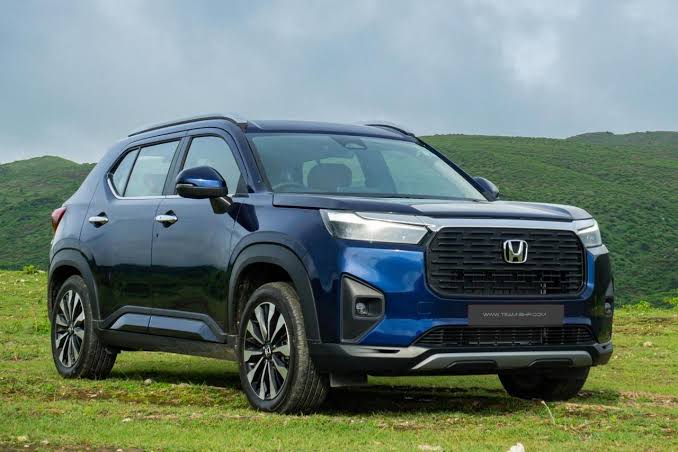
Walk into any dealership today and you will notice a pattern. Row after row of two-row crossovers and midsize sport utility vehicles dominate the lot. The 5 seater SUV has quietly taken over as the default family vehicle in markets around the world, and there is a good reason for that. These vehicles offer a practical middle ground between the compact hatchback that feels too cramped and the oversized three-row hauler that guzzles fuel and barely fits in a parking garage. They seat five people comfortably, carry more cargo than a sedan ever could, and come in enough shapes, sizes, and price points to suit nearly any lifestyle.
Whether you are a young professional looking for a capable daily driver, a growing family that needs room for car seats and groceries, or a couple that simply enjoys sitting higher on the road with all-wheel drive at the ready, this category has something designed with your routine in mind. The segment now spans well over fifty different models from mainstream brands like Honda and Hyundai to premium names like BMW and Mercedes-Benz. You can pick one up for just north of twenty thousand dollars, or you can spend six figures on a luxury model loaded with hand-stitched leather and adaptive air suspension. This guide walks through everything you need to know before choosing the right 5 seater SUV. It covers the practical reasons this vehicle type makes sense, how to sort through the options, standout picks across every budget, what separates the luxury tier from the rest, a closer look at Acura’s competitive lineup, and the safety technology that should be on every buyer’s checklist. There is also a section dedicated to models from the 2020 era that still hold up remarkably well for used-car shoppers.
Why a 5 Seater SUV Makes Sense for Most Buyers
There is a reason this segment keeps growing year after year. A two-row sport utility vehicle sits in the sweet spot of everyday practicality. It is tall enough to provide a commanding view of the road, wide enough to keep passengers comfortable on long drives, and compact enough to handle city streets and tight parking lots without constant stress. Compared to three-row alternatives, these vehicles weigh less, consume less fuel, and typically cost several thousand dollars less at the point of purchase. For buyers who do not need a third row gathering dust in the back, skipping it makes financial and functional sense.
The Right Size for Everyday Driving
Two-row models tend to have a tighter turning radius, which makes navigating crowded grocery store parking lots or downtown streets far easier than wrestling a full-size rig through the same spaces. They also respond better to steering inputs, which translates to a more car-like feel behind the wheel. If most of your driving involves commuting to work, running errands, and the occasional road trip, a compact or midsize option will handle all of it without feeling either oversized or underpowered. The category currently includes more than fifty-five models spread across mainstream and premium brands. New-car pricing starts around twenty thousand five hundred dollars for a subcompact crossover like the Hyundai Venue and climbs toward eighty-eight thousand dollars for models like the Toyota Land Cruiser.
Cargo Space Without the Bulk
One of the biggest advantages of this vehicle type is how much gear it can swallow despite its manageable exterior footprint. Compact models typically offer twenty-five to thirty cubic feet of cargo space behind the rear seat. Fold those seats down and you are looking at fifty to sixty cubic feet in most cases. Step up to a midsize option and the numbers get even more impressive. The Ford Explorer delivers roughly ninety cubic feet of maximum cargo volume. The Toyota 4Runner is close behind at just over ninety cubic feet as well. That is enough room for a weekend camping trip, a full load of flat-pack furniture, or several large suitcases for a family vacation.
Fuel Efficiency and Cost of Ownership
Fuel economy has improved dramatically across this segment in recent years. The rise of hybrid and plug-in hybrid powertrains has been a game changer. The Toyota RAV4 Hybrid remains one of the most popular choices in the country and delivers strong fuel economy without asking buyers to compromise on space or capability. The Lexus NX Hybrid pushes that even further, returning around forty miles per gallon in combined driving. Beyond fuel costs, the total cost of owning one of these vehicles can be surprisingly reasonable. The Ford Escape, for example, has an average new-car price around thirty-two thousand dollars and an average lifespan of nearly one hundred sixty-eight thousand miles, which works out to an annual purchase cost of roughly two thousand one hundred sixty-three dollars. The Mazda CX-5 comes in just behind it at around two thousand one hundred ninety-six dollars per year. For buyers who want a reliable vehicle that holds its value over time, those numbers are hard to beat.
How to Pick the Best 5 Seater SUV for Your Needs
Shopping in this segment can feel overwhelming because there are so many strong options. The trick is not to find the single greatest vehicle on paper. Instead, the goal is to find the one that lines up best with how you actually drive, what you carry, where you live, and what you can comfortably afford. A ranking list might crown one model as the overall winner, but that winner might be terrible for your specific situation if it cannot tow your boat or if its back seat is too tight for your teenager’s legs.
Define Your Priorities
Start by asking yourself a few honest questions. How long is your daily commute? Do you need all-wheel drive for winter weather or unpaved roads? Will you tow a trailer, a jet ski, or a small camper? How important is cabin noise on the highway? Is fuel economy a priority or are you willing to pay more at the pump for a stronger engine? Write down the three things that matter most to you and use those as your filter. If comfort and quietness top the list, you will gravitate toward models like the Lexus NX or Genesis GV70. If budget and reliability matter most, the Honda CR-V and Subaru Forester deserve your attention. If you want off-road capability and rugged styling, the Jeep Wrangler and Toyota 4Runner sit in a class of their own.
Key Specs That Actually Matter
Under the hood, most models in this category run either a turbocharged four-cylinder engine or a naturally aspirated V6. Turbocharged fours have become the default because they deliver solid power while keeping fuel consumption in check. V6 engines still appear in midsize and larger models where extra towing capacity or more effortless acceleration is expected. Hybrid powertrains are increasingly common, and plug-in hybrids are appearing across more nameplates every year. On the safety front, look for models that carry an IIHS Top Safety Pick or Top Safety Pick Plus rating, along with a five-star overall score from NHTSA. Most modern models now include automatic emergency braking, adaptive cruise control, and lane-keeping assist as standard equipment, but it is still worth confirming before you sign anything. Technology features like wireless Apple CarPlay, Android Auto, wireless phone charging, and digital instrument clusters have become expected rather than optional in this price range. Finally, do not overlook resale value. Brands like Toyota, Subaru, and Lexus consistently lead depreciation rankings, which means you lose less money over time if you decide to sell or trade in after a few years.
New Versus Used
Not every buyer needs or wants to purchase brand new. Certified pre-owned programs from most manufacturers offer vehicles that have been inspected, reconditioned, and backed by extended warranties. Models from the 2020 to 2023 window often represent strong value because they received significant updates and redesigns that still feel current today. The Honda CR-V, Mazda CX-5, and Subaru Outback from that era are particularly good candidates for used-car shoppers who want modern safety features without paying new-car prices.
Top Picks Across Every Budget
Regardless of how much you plan to spend, there are standout options worth considering. The following breakdown organizes recommendations into three tiers — affordable, mid-range, and used models from the 2020 era that still deliver excellent value today.
Affordable Options Under Thirty Thousand Dollars
If your budget tops out below thirty thousand, you still have access to surprisingly capable vehicles. The Chevrolet TrailBlazer starts around twenty-three thousand three hundred dollars and packs a decent amount of technology into a compact package. The Hyundai Venue comes in even lower at roughly twenty thousand five hundred fifty dollars, making it the most affordable option in the entire segment. The Honda CR-V has long been a favorite in this price range because it blends generous interior space with a reputation for reliability that spans decades. The Subaru Crosstrek appeals to buyers who want standard all-wheel drive and strong resale value without stretching their budget. Each of these models carries solid safety ratings and delivers respectable fuel economy for daily driving.
Mid-Range Contenders Between Thirty and Fifty Thousand Dollars
This is where the category really shines. Spend between thirty and fifty thousand dollars and you land in a sweet spot where powertrains are strong, cabins are well-appointed, safety suites are comprehensive, and resale values hold firm. The Toyota RAV4 Hybrid is arguably the most well-rounded option at this price point. It delivers excellent fuel economy, Toyota’s reputation for longevity, and a comfortable ride that handles long highway stretches without complaint. The Mazda CX-5 and its larger sibling the CX-50 continue to impress with interiors that look and feel more expensive than their sticker prices suggest. The Subaru Forester remains a top choice for buyers in snowy or rural areas thanks to its standard symmetrical all-wheel-drive system. The Hyundai Tucson Hybrid and the Ford Escape round out this tier with their own blend of efficiency, technology, and value.
The Best 5 Seater SUV 2020 Models Still Worth Buying Used
The 2020 model year was a landmark period for this segment. Several manufacturers launched all-new designs that year, and those vehicles have aged gracefully. The Subaru Outback received a complete redesign for 2020, gaining a larger infotainment system, more rear-seat room, and a turbocharged engine option that was not available in the previous generation. The Ford Explorer also went through a ground-up overhaul, switching back to a rear-wheel-drive-based platform that dramatically improved its driving dynamics. The Hyundai Santa Fe offered strong value with upscale styling, a generous warranty, and a spacious cabin that comfortably seated five adults. The Mazda CX-5 from that year carried its signature premium interior feel at a mainstream price. And the Toyota RAV4, already one of the top sellers in the country, continued to offer a reliable, fuel-efficient package that holds its value better than almost anything else in the class. If you are shopping used, these models represent some of the strongest choices available. Look for certified pre-owned examples to get additional warranty coverage and peace of mind.
Inside the Luxury 5 Seater SUV Market
At the premium end of the spectrum, the experience changes significantly. A luxury model does not just offer more horsepower or a nicer badge on the hood. It delivers a fundamentally different ownership experience through superior materials, quieter cabins, more advanced technology, and powertrains that feel effortless rather than merely adequate.
What Sets a Luxury Model Apart
The differences start the moment you open the door. Seats wrapped in hand-stitched leather, open-pore wood or aluminum trim, and soft-touch surfaces on every contact point create an interior that feels genuinely special. Sound systems from brands like Bang and Olufsen, Bowers and Wilkins, or Mark Levinson turn the cabin into a private concert hall. Adaptive air suspension systems smooth out rough pavement and adjust ride height on the fly. And powertrain options often include turbocharged six-cylinder engines or even twin-turbo V8 configurations that deliver effortless acceleration at any speed. The luxury 5 seater SUV segment currently includes more than sixty models, with pricing that ranges from around twenty-four thousand six hundred dollars for entry-level offerings to well over two hundred forty-five thousand dollars for the most exclusive nameplates.
Top Luxury Picks for 2026
The Mercedes-Benz G-Class sits at the top of multiple data-driven rankings, earning a quality score of 8.6 out of 10 based on reliability, resale value, and safety performance. It is not cheap — pricing starts around one hundred fifty-three thousand nine hundred dollars — but its combination of iconic design, off-road prowess, and rock-solid value retention makes it a standout in this space. The BMW X3 remains one of the most balanced options in the compact luxury category. It starts at fifty-two thousand six hundred fifty dollars and delivers sharp handling, a refined cabin, and strong fuel efficiency for its class. For buyers who want more room and more power, the BMW X5 steps things up with V8 options and available third-row seating. The Genesis GV80 has rapidly become a favorite among buyers who want a premium experience without paying the traditional German tax. Its interior rivals anything from BMW or Mercedes-Benz at a significantly lower price, and it carries an IIHS Top Safety Pick Plus rating. The Lexus NX offers Lexus-grade build quality, a strong hybrid powertrain, and one of the most reliable ownership experiences in the entire segment. And the Volvo XC60 continues to attract buyers who appreciate Scandinavian design, standard all-wheel drive, and a brand that has built its entire identity around occupant safety.
Acura’s Two-Row Lineup — A Closer Look
Acura sometimes flies under the radar in conversations about premium sport utility vehicles, but the brand’s current lineup deserves serious attention. If you are shopping for an Acura 5 seater SUV, you will find two compelling options that deliver genuine luxury at prices well below most European competitors. Backed by Honda’s engineering and reliability track record, Acura builds vehicles that punch above their weight class in this segment.
Acura ADX — The Compact Entry Point
The ADX is the newest addition to the Acura family, introduced as a 2025 model and carried forward into 2026 with no significant changes. It is powered by a 1.5-liter turbocharged VTEC engine that produces one hundred ninety horsepower — enough power for confident merging, passing, and daily commuting without any strain. The cabin seats five with supportive seats and smart storage design. Cargo space comes in at 24.4 cubic feet behind the rear row, which handles daily errands, airport runs, and weekend plans without issue. Inside, a nine-inch touchscreen runs wireless Apple CarPlay and Android Auto, and a wireless charging pad keeps your phone topped up without cables. Every ADX comes standard with AcuraWatch, a comprehensive safety suite that includes automatic emergency braking, adaptive cruise control, lane-keeping assist, and driver awareness monitoring. For buyers who want a compact luxury crossover without overspending, the ADX makes a compelling case.
Acura RDX — The Sport-Luxury Sweet Spot
The RDX sits a step above the ADX and targets buyers who want something more athletic and more spacious. Its 2.0-liter turbocharged four-cylinder produces two hundred seventy-two horsepower and pairs with a ten-speed automatic transmission and standard all-wheel drive across every trim level. That all-wheel-drive system is not just for show — it actively distributes torque to improve cornering stability and traction in poor weather. Cargo capacity is generous at up to 79.8 cubic feet with the rear seats folded, which puts it ahead of several competitors in this class. Pricing ranges from forty-five thousand one hundred dollars for the base trim to fifty-four thousand eight hundred fifty dollars for the top-spec A-Spec Advance. The RDX appeals to drivers who enjoy a connected, engaging experience behind the wheel but do not want to sacrifice daily comfort or passenger space to get it.
How Acura Compares to Other Luxury Brands
When placed alongside the Lexus NX, BMW X3, and Genesis GV70, the Acura RDX holds its own on almost every front. It matches or beats most rivals on standard equipment, falls within the same general price range, and benefits from Honda’s industry-leading reliability reputation. Where it trails the Germans is in outright brand cachet and perhaps interior trim ambition at the highest option levels. But for buyers who value substance over status, the Acura lineup offers one of the strongest combinations of performance, practicality, and long-term dependability available in the premium segment today.
Features and Safety Tech to Look for in Any 5 Seater SUV
Regardless of which model or brand catches your eye, certain features and technologies should be on every buyer’s shortlist. Safety standards have advanced rapidly over the past few years, and what was once reserved for high-end models is now standard equipment across most of the segment.
Automatic emergency braking is the single most important safety feature available today. It uses cameras and sensors to detect potential collisions and applies the brakes if the driver does not react in time. Adaptive cruise control maintains your set speed while automatically adjusting to slower traffic ahead, which reduces fatigue on long highway drives. Lane-keeping assist gently nudges the steering to keep the vehicle centered in its lane. Blind-spot monitoring alerts you when another vehicle occupies the space you cannot see in your mirrors. These four technologies should be standard, not optional, on any vehicle you are considering.
On the comfort and convenience side, heated front seats, a panoramic moonroof, wireless phone charging, and a digital instrument cluster have become expected features rather than luxury add-ons. Towing capacity is another factor worth investigating. Some models in this category can tow up to five thousand pounds, which is enough for a small boat, a pair of jet skis, or a lightweight travel trailer. Compact crossovers, on the other hand, usually max out around fifteen hundred to two thousand pounds. If towing is part of your plan, check the numbers carefully before making your choice. And above all else, drive before you buy. Spec sheets and online reviews can only tell you so much. Spend time behind the wheel of at least two or three models to feel the differences in ride quality, seat comfort, visibility, and cabin noise for yourself.
Final Thoughts
The market for two-row sport utility vehicles has never been deeper or more competitive than it is right now. Whether you are drawn to a budget-friendly crossover that keeps monthly payments low, a mid-range hybrid that saves money at the pump without sacrificing features, or a premium model that wraps every commute in leather and quiet refinement, there is a vehicle designed to fit that exact need. The right choice always comes down to your personal priorities. A buyer who values reliability and resale will lean toward Toyota or Subaru. Someone who wants driving excitement will gravitate toward BMW or Mazda. And a buyer who wants luxury at a fair price might find exactly what they need in the Acura or Genesis showroom. Take the time to define what matters most, explore both new and used options, and never skip the test drive. This segment keeps growing, with more electrified powertrains and smarter technology arriving every model year. Whatever you choose today, you are stepping into the 5 seater SUV category at its strongest point ever — one of the most capable, efficient, and well-rounded vehicle segments the industry has ever produced.
Frequently Asked Questions
FAQ 1: What is a 5 seater SUV?
A 5 seater SUV is a sport utility vehicle with two rows of seating that comfortably fits five passengers. These vehicles range from compact crossovers to midsize models and offer a practical balance of cabin space, cargo room, and fuel efficiency without the bulk of a three-row vehicle.
FAQ 2: What is the difference between a 5 seater and a 7 seater SUV?
A 5 seater SUV has two rows and seats five passengers, while a 7 seater adds a third row for up to seven occupants. The 5 seater is typically lighter, more fuel-efficient, easier to park, and less expensive, whereas the 7 seater prioritizes maximum passenger capacity at the cost of added weight and higher fuel consumption.
FAQ 3: Which is the best 5 seater SUV for families in 2026?
The Honda CR-V and Toyota RAV4 consistently rank among the top choices for families due to their spacious interiors, excellent safety ratings, strong fuel economy, and industry-leading reliability. Both models also offer hybrid variants that further reduce running costs.
FAQ 4: What is the most reliable 5 seater SUV?
According to iSeeCars data for 2026, the Toyota Land Cruiser leads with a reliability score of 8.5 out of 10, followed closely by the Toyota 4Runner at 8.1. Among compact options, the Honda CR-V and Subaru Forester consistently score above average for long-term dependability and the ability to reach 200,000 miles.
FAQ 5: What is the most fuel-efficient 5 seater SUV?
Among non-hybrid models, the Nissan Kicks leads the segment at 33 mpg combined, followed by the Nissan Rogue and Toyota Corolla Cross at 32 mpg each. For hybrid buyers, the Toyota RAV4 Hybrid and Lexus NX Hybrid deliver up to 40 mpg combined, making them among the most fuel-efficient options available.
FAQ 6: What is the cheapest 5 seater SUV you can buy new?
The Hyundai Venue is currently the most affordable new entry in this segment, with a starting price around $20,550. The Chevrolet Trax follows at approximately $21,700, and the Chevrolet TrailBlazer starts near $23,300, making all three strong options for budget-conscious buyers.
FAQ 7: Can a 5 seater SUV tow a trailer or boat?
Yes, but towing capacity varies greatly across models. Compact crossovers typically handle 1,500 to 2,000 pounds, while midsize models like the Ford Explorer and Toyota 4Runner can tow 5,000 pounds or more. Buyers who plan to tow should verify the specific tow rating for their chosen trim and powertrain configuration.
FAQ 8: Which 5 seater SUV has the most cargo space?
The Ford Expedition leads the segment with a maximum cargo volume of 108.5 cubic feet when all rear seats are folded. The Ford Explorer and Toyota 4Runner follow closely at approximately 90 cubic feet each. Among compact models, the Honda CR-V offers up to 76.5 cubic feet, which is generous for its size.
FAQ 9: Is a 5 seater SUV big enough for a family of five with luggage?
For weekend trips and daily use, most midsize models comfortably handle five passengers plus luggage. Extended vacations with bulky gear like strollers or sports equipment may strain cargo space in compact crossovers, so families who travel often should look at midsize options with 60 or more cubic feet of total cargo capacity.
FAQ 10: What is the best luxury 5 seater SUV?
The Mercedes-Benz G-Class tops data-driven rankings with an overall quality score of 8.6 out of 10 based on reliability, safety, and resale value. For buyers seeking strong luxury at a lower price point, the Genesis GV80, BMW X3, Lexus NX, and Volvo XC60 all deliver premium interiors, advanced technology, and refined driving experiences.
FAQ 11: Is the Acura RDX a good 5 seater SUV?
The Acura RDX is widely regarded as one of the strongest options in the compact luxury segment. It comes standard with a 272-horsepower turbocharged engine, all-wheel drive on every trim, up to 79.8 cubic feet of cargo space, and a comprehensive safety suite, all backed by Honda’s reputation for long-term reliability.
FAQ 12: Which 5 seater SUVs from 2020 are still worth buying used?
The 2020 Subaru Outback, Honda CR-V, Toyota RAV4, Mazda CX-5, and Ford Explorer are among the strongest used picks from that model year. Several of these received full redesigns in 2020, meaning their styling, technology, and safety features still feel current even six years later.
FAQ 13: Should I buy a new or used 5 seater SUV?
Both have merit depending on your budget and priorities. New models offer full warranties, the latest technology, and zero wear, while certified pre-owned models from 2020 to 2023 provide significant savings with extended warranty coverage and modern features that hold up well against current-year competitors.
FAQ 14: What is the safest 5 seater SUV in 2026?
The Nissan Murano earns a perfect 10 out of 10 safety score from iSeeCars based on NHTSA and IIHS crash test data, and six other models in the segment also achieve a perfect score. Look for vehicles carrying an IIHS Top Safety Pick Plus rating and standard automatic emergency braking, adaptive cruise control, and blind-spot monitoring.
FAQ 15: Are hybrid 5 seater SUVs worth the extra cost?
In most cases, yes. Hybrid variants like the Toyota RAV4 Hybrid and Honda CR-V Hybrid recover their price premium through fuel savings within three to five years of ownership. They also tend to hold their resale value better than gas-only equivalents, with the RAV4 Hybrid retaining approximately 75 percent of its value after five years.
FAQ 16: Which 5 seater SUV holds its value best?
The Jeep Wrangler leads the entire segment with a remarkable 91.1 percent five-year resale value, though it appeals to a niche audience. Among more mainstream options, the Toyota RAV4 retains roughly 75 percent, the Subaru Crosstrek holds strong value in the compact category, and the Mazda CX-5 consistently outperforms expectations for its price range.
FAQ 17: Do 5 seater SUVs come with all-wheel drive?
Most models in this segment offer all-wheel drive either as standard or as an available option. Subaru stands out by making AWD standard across its entire lineup, including the Forester, Crosstrek, and Outback. Luxury brands like Acura, BMW, and Lexus also offer standard AWD on many trims.
FAQ 18: What safety features should I look for when buying a 5 seater SUV?
At minimum, look for automatic emergency braking, adaptive cruise control, lane-keeping assist, and blind-spot monitoring as standard equipment. Most 2026 models include these features on base trims, but always confirm before purchasing, especially when shopping for used vehicles from earlier model years.
FAQ 19: Is a compact or midsize 5 seater SUV better for city driving?
Compact models are generally better suited for urban environments because they offer tighter turning radii, easier parking, and better fuel economy. Models like the Honda HR-V, Mazda CX-30, and Hyundai Kona are specifically designed to handle crowded city streets without sacrificing comfort on longer drives.
FAQ 20: How does a 5 seater SUV compare to a sedan for everyday use?
A 5 seater SUV offers a higher driving position, more cargo space, and available all-wheel drive compared to a sedan of similar price. However, sedans generally deliver better fuel economy and sharper handling. For buyers who value versatility, weather capability, and interior space, the SUV is the stronger all-around choice.
FAQ 21: Which 5 seater SUV is best for off-road driving?
The Toyota 4Runner and Jeep Wrangler are the top off-road performers in this segment, both built on body-on-frame platforms with dedicated four-wheel-drive systems. For buyers who want off-road capability in a more road-friendly package, the Subaru Forester Wilderness and Toyota RAV4 TRD Off-Road offer strong trail credentials with everyday comfort.
FAQ 22: Are electric 5 seater SUVs a good option right now?
Electric options like the Hyundai Ioniq 5 and Tesla Model Y offer impressive range, fast charging, and low running costs. However, they tend to depreciate faster than hybrid or gas models, losing up to 58 percent of their value after five years on average. Buyers should weigh fuel savings against resale value and charging convenience.
FAQ 23: What is the average price range for a new 5 seater SUV?
Prices span a wide spectrum in this segment. Budget-friendly subcompact models start around $20,550, while well-equipped midsize options typically fall between $30,000 and $50,000. Luxury models begin near $40,000 and can exceed $245,000 for top-tier nameplates like the Mercedes-Benz G-Class AMG.
FAQ 24: How many models are currently available in the 5 seater SUV segment?
The segment now includes more than 55 mainstream models and over 63 luxury models, giving buyers one of the widest selections in the entire automotive market. Options range from entry-level subcompact crossovers to full-size luxury vehicles, covering virtually every price point, powertrain type, and lifestyle need.