
You have probably spotted it dozens of times without giving it a second thought. That compact, half-sized bottle sitting on the shelf between the miniatures and the full-sized standards. It shows up in wine shops, liquor stores, specialty food markets, and even online gift sets. Yet most people walk right past it without understanding what it actually holds, how it converts to ounces, or why so many producers have started favoring this particular size.
The truth is, this measurement sits at a sweet spot in beverage packaging. It holds exactly half the volume of a standard 750 ml bottle, which makes it one of the most practical sizes available for wine, spirits, and a growing list of non-alcoholic products. Whether you are a home bartender trying to figure out how many ounces is 375 ml, a gift shopper looking for a tasteful present, or a small-batch producer searching for the right glass bottle for your craft spirit, this size deserves more attention than it usually gets.
This guide breaks everything down in plain language. You will learn exactly what this measurement means in ounces, understand why this bottle size has exploded in popularity, discover how many drinks you can actually pour from one, and pick up smart buying and storage tips along the way. No filler, no fluff — just the information you came here for.
What Does 375 ml Actually Mean?
A milliliter is a metric unit of volume equal to one-thousandth of a liter. It is the standard measurement used across most of the world for liquids, from medicine dosages to cooking recipes to bottled beverages. When you see 375 ml on a label, you are looking at a volume that works out to roughly one and a half standard measuring cups, or just a touch more than what you would find in a typical 12-ounce can of soda.
This size did not appear out of thin air. The 375 ml format became a recognized standard in the beverage industry during the mid-20th century, when wine and spirit producers saw a gap in their product lines. There was a clear demand for something bigger than a single-serve miniature but smaller than a full bottle. Consumers wanted the option to sample a premium product, enjoy a modest evening pour, or tuck a bottle into a gift basket without overspending. The half-bottle format answered all three needs at once, and it stuck.
Over the decades, the 375 ml measurement became firmly embedded in regulatory standards across North America, Europe, and Asia. Today, it ranks among the five most common bottle sizes recognized by the global beverage industry, sitting alongside the 50 ml miniature, the 200 ml half pint, the 750 ml fifth, and the 1.75-liter handle.
Common Names for This Bottle Size
One of the reasons people get confused is that this bottle goes by several different names depending on who you ask. In the wine world, it is most often called a “half bottle” or a “Demi,” a French term that simply means half. Wine enthusiasts have used these terms for generations, particularly when referring to dessert wines, Sauternes, and late-harvest Rieslings that are traditionally sold in smaller formats.
In the spirits industry, you will hear it called a “pint.” This is where things get a little tricky, because a true U.S. liquid pint measures 473 ml — not even close to what this bottle holds. The nickname stuck because of how the American liquor sizing system developed historically. Before the metric system was adopted for alcohol packaging in 1980, bottle sizes were based on fractions of a gallon. The term “pint” was informally applied to this mid-range size and simply never went away. Some people also call it a “half fifth,” since it contains exactly half of what a standard 750 ml fifth holds.
In parts of Europe and Australia, you might hear it referred to simply by its metric volume without any nickname at all. No matter what label it carries, the volume inside remains the same.
Converting 375 ml to oz — The Complete Breakdown
This is the question that drives more search traffic than almost anything else related to this bottle size. People want a straight answer, so here it is: 375 ml equals approximately 12.68 U.S. fluid ounces. Most bartenders, recipe writers, and packaging labels round that figure to 12.7 ounces for simplicity.
The math behind the conversion is refreshingly simple. One U.S. fluid ounce equals 29.5735 milliliters. To convert any milliliter value to fluid ounces, you divide by 29.5735, or multiply by the conversion factor of 0.033814. When you run that calculation on this particular volume, you land on 12.68 ounces every time.
One small but important detail: the conversion above uses U.S. fluid ounces, which is the standard most people are searching for. If you happen to be working with Imperial fluid ounces — the system still used in the United Kingdom for certain measurements — the result changes slightly. An Imperial fluid ounce is a bit smaller at 28.41 ml, which means this same volume converts to about 13.2 Imperial fluid ounces. Unless you are following a British recipe or working in a UK-based kitchen, the U.S. figure of 12.7 ounces is the one you want.
Putting the Ounce Conversion in Practical Terms
Numbers on a page do not always click until you compare them to something familiar. Think of it this way: a standard can of beer or soda in the United States holds 12 fluid ounces. This bottle holds just a hair more than that. On the other hand, a full U.S. pint glass — the kind you would get at a bar — holds 16 fluid ounces. So this bottle falls comfortably between those two everyday reference points.
Here is a quick comparison with other common bottle sizes to give you a broader picture:
- 200 ml — 6.8 fluid ounces
- This size — 12.7 fluid ounces
- 500 ml — 16.9 fluid ounces
- 750 ml — 25.4 fluid ounces
- 1 liter — 33.8 fluid ounces
- 1.75 liters — 59.2 fluid ounces
That progression makes it easy to see where this size fits in the lineup and helps you judge volume at a glance the next time you are comparing bottles on a shelf.
Other Useful Conversions Worth Knowing
If you spend time in the kitchen or behind a bar, ounces are not the only measurement you might need. Here are a few more conversions that come in handy:
- In cups: approximately 1.59 U.S. cups
- In liters: exactly 0.375 liters
- In tablespoons: roughly 25.4 tablespoons
- In teaspoons: approximately 76.1 teaspoons
These figures are especially useful when you are scaling a cocktail recipe, adjusting a marinade, or following an international cookbook that uses metric measurements. Keeping a simple conversion reference nearby saves time and eliminates guesswork.
Why This Bottle Size Has Become So Popular
Walk into any well-stocked wine shop or craft spirits store today, and you will notice something that would have been rare just twenty years ago. The shelves are filled with half-sized options that look just as polished and intentional as their full-sized counterparts. This is not a coincidence. Consumer habits have shifted, and producers have responded.
The biggest driver is a growing preference for smaller, more mindful portions. Many wine drinkers — especially people who live alone or couples who do not want to open a full bottle on a Tuesday evening — have embraced this format because it eliminates waste. You open it, you enjoy it, and you finish it. There is no half-empty bottle sitting in the fridge losing its character over the next three days.
Craft distilleries and boutique wineries have also played a major role. For a small producer trying to introduce a new bourbon, gin, or single-vineyard wine to the market, offering a 375 ml bottle lowers the barrier for first-time buyers. A customer who might hesitate to spend forty dollars on a full bottle of something they have never tried is far more willing to spend twenty on a half-sized version. That trial purchase often leads to a full-bottle follow-up, making this size an incredibly effective marketing tool.
Gifting, Travel, and Everyday Convenience
Beyond personal consumption, this format thrives in the gifting space. A well-chosen half bottle of aged port, a small-batch whiskey, or a high-end olive oil makes an elegant, thoughtful gift without the price tag of a full-sized premium product. Many retailers now offer curated gift sets built entirely around this size, pairing two or three bottles with tasting notes and accessories.
Travel is another area where the 375 ml format shines. The bottle is compact enough to slip into a checked bag without taking up much space or adding significant weight. It is a popular choice for picnics, camping trips, and weekend getaways where bringing a full bottle feels like overkill.
There is also a sustainability argument worth mentioning. Buying a smaller quantity means less product goes to waste, particularly for items like wine or vermouth that begin to deteriorate once opened. In a market increasingly shaped by conscious consumption, this practical benefit resonates with a lot of buyers.
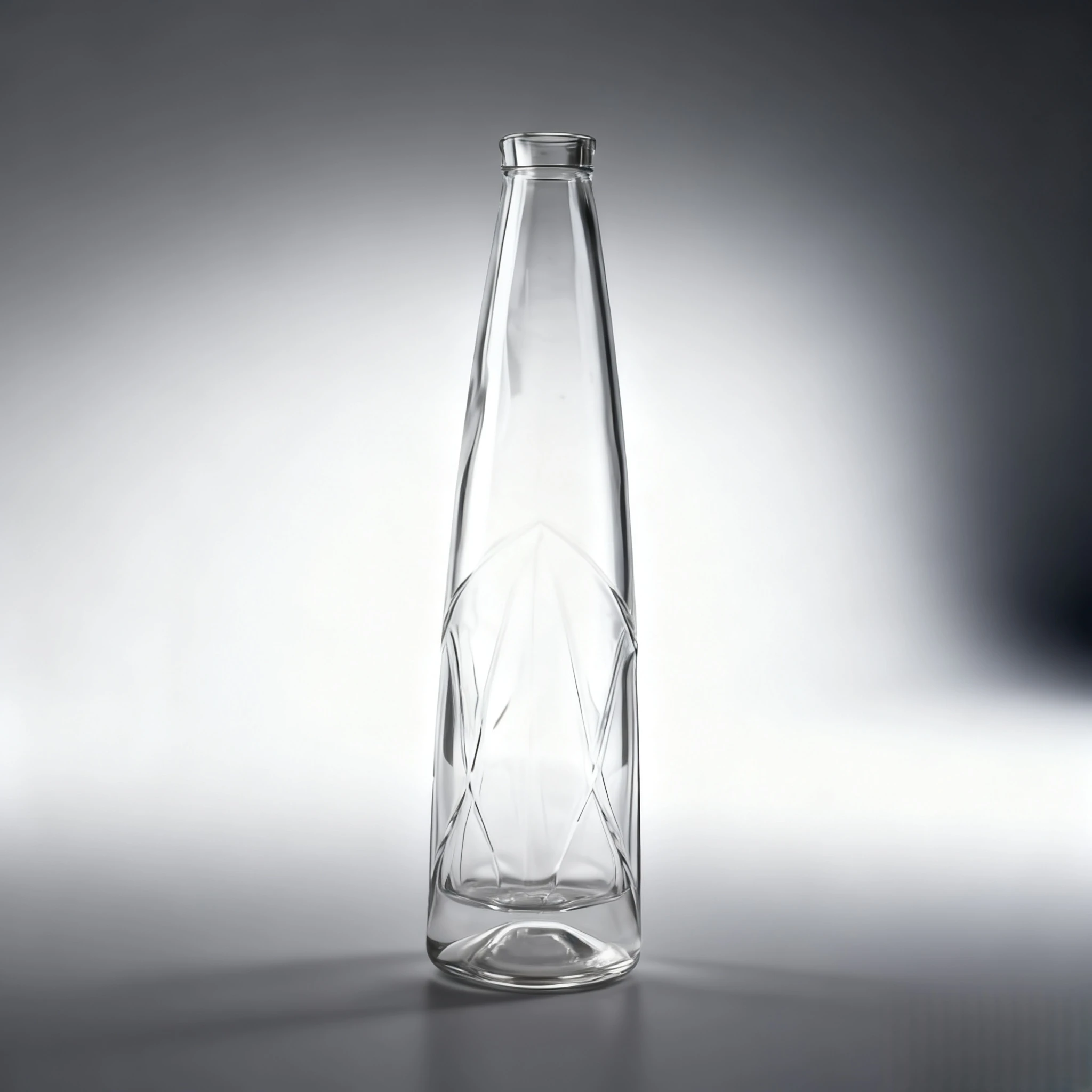
The 375 ml Glass Bottle — Materials, Shapes, and Design
Glass has been the packaging material of choice for wine and spirits for centuries, and that has not changed for smaller formats. A glass bottle offers several advantages that plastic and aluminum simply cannot match. It is chemically inert, meaning it does not react with or alter the flavor of the liquid inside. It provides a strong barrier against oxygen, which helps preserve freshness. And depending on the color of the glass, it can filter out UV light that would otherwise degrade the product over time.
At this particular size, you will find an impressive variety of shapes and silhouettes. The Nordic style — tall, round, and old-fashioned in appearance — is one of the most popular for spirits. The Tennessee style features wider, rounded shoulders and a grippable neck that gives it a classic Americana feel. The Nashville variation offers an oval profile with flat sides, making it ideal for labeling. Bordeaux-style bottles, with their straight sides and high shoulders, are the go-to choice for wine. And the Oregon style brings a sleek, modern look with rounded shoulders and a flat bottom.
Clear glass, also known as flint glass, is the top choice for spirits and products where you want the consumer to see the liquid inside. Amber and green glass are more common for wines and light-sensitive oils because they offer built-in UV protection. Each color serves a functional purpose beyond aesthetics.
Choosing the Right Glass Bottle for Your Product
If you are a small-batch producer or a hobbyist looking to bottle your own limoncello, infused oil, or craft spirit, selecting the right glass bottle matters more than you might think. Closure type is the first decision. Bar top corks give a traditional, premium look and are the most common choice for spirits. Screw caps offer convenience and a reliable seal. Synthetic stoppers split the difference between appearance and function.
Labeling is the second consideration. Bottles with smooth, straight side panels — like the Nordic and Nashville styles — make it much easier to apply labels cleanly. Curved or textured surfaces can cause wrinkles and air bubbles during application, which undermines the professional presentation you are going for.
Most glass bottle suppliers sell this size in cases of twelve, which keeps the entry cost reasonable for startups and home producers. You do not need to order thousands of units to get started, and many suppliers offer sample packs so you can test different shapes before committing to a larger order.
How Many Shots and Servings Can You Pour?
This is one of the most practical questions anyone can ask before buying a bottle, and the answer depends on what you are pouring. For spirits, using the standard U.S. shot size of 1.5 ounces (roughly 44 ml), you can expect to pour about eight shots from a single 375 ml bottle. That number holds consistent whether you are pouring vodka, whiskey, tequila, rum, or gin.
For wine, the math shifts. A standard wine pour is 5 ounces, which means this bottle gives you roughly two and a half glasses. That is enough for two people to each enjoy a full glass with a small top-up, or for one person to have a generous two-glass evening.
Keep in mind that shot sizes vary around the world. In the United Kingdom, a standard measure is 25 ml, which would give you 15 pours from this bottle. In Australia, the standard is 30 ml, yielding about 12 pours. If you are following a recipe or hosting guests from different countries, knowing the local standard prevents over-pouring and under-pouring.
Planning Drinks for a Small Gathering
Here is a simple rule of thumb that bartenders and event planners use all the time. One bottle of this size covers about two to three people for a cocktail session, assuming each person has two to three drinks over the course of an evening. For wine, plan on one bottle per two guests.
If you are hosting a slightly larger group, a smart strategy is to pair a half bottle of something special — a premium bourbon, a dessert wine, or an aged rum — with a full-sized bottle of a more versatile spirit. This way, everyone gets to try the premium option without you needing to buy a full bottle of it, and the standard spirit handles the volume drinking.
Where This Size Shows Up Beyond Alcohol
While wine and spirits get most of the attention, this volume has carved out a significant niche in the specialty food and wellness industries. Walk through any upscale grocery store or farmers market, and you will spot it on bottles of artisan olive oil, aged balsamic vinegar, pure maple syrup, craft hot sauce, and flavored simple syrups.
The reason producers in these categories choose this size is the same reason it works for alcohol: it strikes a balance between value and practicality. A bottle of high-quality extra-virgin olive oil at this volume gives you enough for several weeks of cooking without the oil going rancid before you can use it up. A bottle of small-batch maple syrup at this size feels generous enough to justify its premium price tag while remaining affordable for the buyer.
In the essential oil industry, this volume is considered a bulk size. If you diffuse lavender or eucalyptus oil regularly, buying at this volume saves money compared to the smaller 10 ml and 30 ml bottles that dominate retail shelves. Cannabis tinctures and CBD oils have also adopted this format for similar reasons — it provides enough product for regular daily use over an extended period without requiring a massive upfront investment.
The craft food movement has embraced this packaging across the board. When an artisan producer puts their product in a well-designed glass bottle at this size, it communicates quality, care, and intention. It says this is something meant to be savored, not chugged.
How This Size Compares to Other Bottle Formats
Understanding where this bottle sits in the broader landscape of packaging sizes helps you make smarter buying decisions. Here is a breakdown of the most common formats you will encounter, listed by volume, ounce equivalent, and approximate shot count:
- 50 ml (Miniature or Nip): 1.7 ounces, 1 shot. Best for airline travel, hotel minibars, and single-serve sampling.
- 200 ml (Half Pint): 6.8 ounces, 4 shots. A pocket-sized option popular for personal use and impulse purchases.
- Half Bottle (Pint): 12.7 ounces, 8 shots. The sweet spot for sampling, gifting, moderate home use, and small gatherings.
- 750 ml (Fifth or Standard): 25.4 ounces, 16 shots. The industry standard for retail wine and spirits.
- 1 Liter: 33.8 ounces, 22 shots. Common in bars, duty-free shops, and for spirits consumed frequently.
- 1.75 Liters (Handle): 59.2 ounces, 39 shots. The go-to for stocking a home bar or supplying a large party.
When you look at the full lineup, it becomes clear why the 375 ml format occupies such a useful middle ground. It is large enough to be worth purchasing and sharing, but small enough to finish before the product loses its freshness. It costs less than a full bottle, making it perfect for experimentation. And it takes up minimal space, whether that is in your luggage, your pantry, or your refrigerator.
For commercial bar operators, the half-bottle format is also practical for stocking specialty liqueurs and lesser-used spirits that move slowly. Instead of tying up money in a full bottle that might sit open for months, a smaller format keeps the product fresher and the inventory leaner.
Smart Tips for Buying and Storing Your Bottle
Buying wisely starts with checking the unit price. Ounce for ounce, a smaller bottle will almost always cost more than its full-sized equivalent. That premium reflects higher per-unit packaging and production costs, not a difference in quality. If you already know you love a particular product and plan to drink it regularly, the full-sized option is the better value. But if you are trying something new or buying a gift, the smaller format is the smarter play.
Keep an eye out for limited editions and seasonal releases. Many distilleries and wineries reserve their most creative or experimental products for smaller formats. These bottles often feature unique label art, special blends, or barrel-finished variations that never make it to the full-sized lineup. Collectors and enthusiasts actively seek these out.
When it comes to storage, the rules are straightforward. Wine bottles with natural corks should be stored on their side to keep the cork moist and prevent it from drying out and letting air in. Spirit bottles can stand upright without any issue. Regardless of what is inside, keep your bottles in a cool, dark place away from direct sunlight and temperature fluctuations. A pantry shelf or a wine cabinet works perfectly.
Once you open a 375 ml bottle of wine, plan to finish it within three to five days for the best flavor. Spirits are far more forgiving — an opened bottle of whiskey or vodka can last for months without significant quality loss, though some subtle flavor notes may fade over time. The smaller format actually works in your favor here, since you are more likely to finish it before any degradation sets in.
Final Thoughts
At the end of the day, this half-bottle format has earned its place on the shelf for all the right reasons. It converts to approximately 12.7 fluid ounces, pours about eight shots, and serves as a remarkably versatile size for everything from premium bourbon and late-harvest wine to artisan olive oil and craft hot sauce. It solves real problems — reducing waste, lowering the cost of trying something new, fitting neatly into gift baskets and travel bags, and giving small-batch producers an accessible entry point into the market.
Whether you came here to settle a conversion question, pick the right 375 ml glass bottle for your own product, or simply understand what makes this size so practical, the answer is the same. It is a format built around common sense. Not too big, not too small, and just right for the way people actually buy and consume beverages today.
The market for smaller-format packaging is only growing. As more consumers prioritize quality over quantity, and as more producers discover the branding and sampling power of a well-designed half bottle, expect to see this size become even more prominent on shelves around the world.
Frequently Asked Questions
How many ounces is 375 ml? It equals approximately 12.68 U.S. fluid ounces, commonly rounded to 12.7 ounces. This conversion uses the standard U.S. fluid ounce, which is the measurement most people in the United States rely on.
How many shots are in a 375 ml bottle? You can pour roughly eight standard shots from one bottle, based on the U.S. standard shot size of 1.5 ounces. The exact count may shift slightly depending on how generously you pour or what country you are in.
What is a 375 ml bottle called? In the wine industry, it is called a “half bottle” or “Demi.” In the spirits world, it commonly goes by “pint,” even though it does not match the true U.S. liquid pint measurement of 473 ml.
Is 375 ml the same as a pint? No. A true U.S. liquid pint is 473 ml, which is roughly 100 ml more than this bottle holds. The “pint” nickname is a legacy term from the pre-metric era of American alcohol packaging and has simply never gone away.
How many cups is 375 ml? It equals approximately 1.58 U.S. cups. This makes it a useful reference for cooking and baking, especially when following recipes that call for metric liquid measurements.
How many standard alcoholic drinks are in a 375 ml bottle? A bottle of 80-proof spirits at this size contains roughly 8.5 standard U.S. drinks, where each standard drink equals 0.6 fluid ounces of pure alcohol. That number changes with proof — a 100-proof bottle at the same volume holds about 13 standard drinks.
Is a 375 ml bottle half a fifth? Yes. A “fifth” is the common nickname for a 750 ml bottle of spirits, which traces back to one-fifth of a U.S. gallon. A bottle at this volume is exactly half of that, which is why it is sometimes called a “half fifth.”
Why is a 375 ml bottle more expensive per ounce than a full-sized bottle? Production and packaging costs do not scale down proportionally with size. Producers still need separate glass molds, different labels, distinct capsules, and unique case packaging, all of which add per-unit expense. The convenience and portion control you get with the smaller format come at a slight premium.
What is the difference between 375 ml and 750 ml? The difference is straightforward — one is exactly double the other. A 750 ml bottle holds 25.4 fluid ounces and about 16 shots, while the smaller bottle holds 12.7 fluid ounces and about 8 shots. The smaller format is ideal for personal use, sampling, and gifting.
How many glasses of wine does a 375 ml bottle pour? You will get approximately two and a half standard glasses based on a five-ounce pour, or three smaller glasses based on the 125 ml restaurant pour used in many European countries. That makes it perfect for a quiet evening for one or two people.
Can you bring a 375 ml bottle on a plane? You cannot bring it through security in your carry-on because it exceeds the TSA’s 3.4-ounce (100 ml) liquid limit. However, you can pack it safely in your checked luggage. Many travelers favor this size because it is compact and less likely to break than a full bottle.
How tall is a 375 ml glass bottle? Dimensions vary by shape and manufacturer, but most bottles at this volume stand between 9 and 11 inches tall and are roughly 2.5 to 3 inches in diameter. Flask-style spirit bottles tend to be slightly shorter and wider than wine bottles in the same volume.
What types of wine come in 375 ml bottles? Dessert wines, late-harvest Rieslings, Sauternes, port, sherry, and ice wines are the most common. Some producers also offer popular reds and whites like Cabernet Sauvignon, Chardonnay, and Pinot Noir in this format, though the selection is smaller than what you will find in standard sizes.
How long does wine last in a 375 ml bottle after opening? Plan to finish it within three to five days for the best flavor, which is the same guidance that applies to a standard 750 ml bottle. Sparkling wine should be consumed even sooner — ideally within one to two days — because it loses its carbonation quickly once opened.
Is 375 ml enough for two people? For wine, it provides about two generous glasses, which works nicely for two people having a single glass each over dinner. For spirits, it yields about eight shots, which is enough for two to three cocktails per person at a small gathering.
What is a 375 ml bottle called in Canada? In Canada, a bottle of spirits at this volume is commonly called a “Mickey.” The term is distinctly Canadian and widely understood across the country, though it is rarely used outside of Canada.
How many tablespoons are in 375 ml? There are approximately 25.4 U.S. tablespoons in this volume. That conversion is particularly handy for bartenders measuring cocktail ingredients or cooks working with recipes that use tablespoon measurements.
Does wine age well in a 375 ml bottle? Generally, wine ages faster in smaller bottles because the ratio of air to liquid inside is higher. Winemakers and collectors note that while a half bottle will evolve more quickly than a standard bottle, it can still age well for several years if stored properly on its side in a cool, dark place.
Why do craft distilleries use 375 ml bottles? It allows them to offer premium products at a more accessible price point, which lowers the barrier for first-time buyers. It is also a practical way to release limited editions and seasonal experiments without overcommitting to production volume or tying up too much capital in inventory.
What products besides alcohol come in 375 ml bottles? Olive oil, balsamic vinegar, maple syrup, hot sauce, flavored simple syrups, essential oils, and cannabis tinctures are all commonly sold in this size. The craft food and wellness industries favor it because it balances premium presentation with practical, everyday use.