
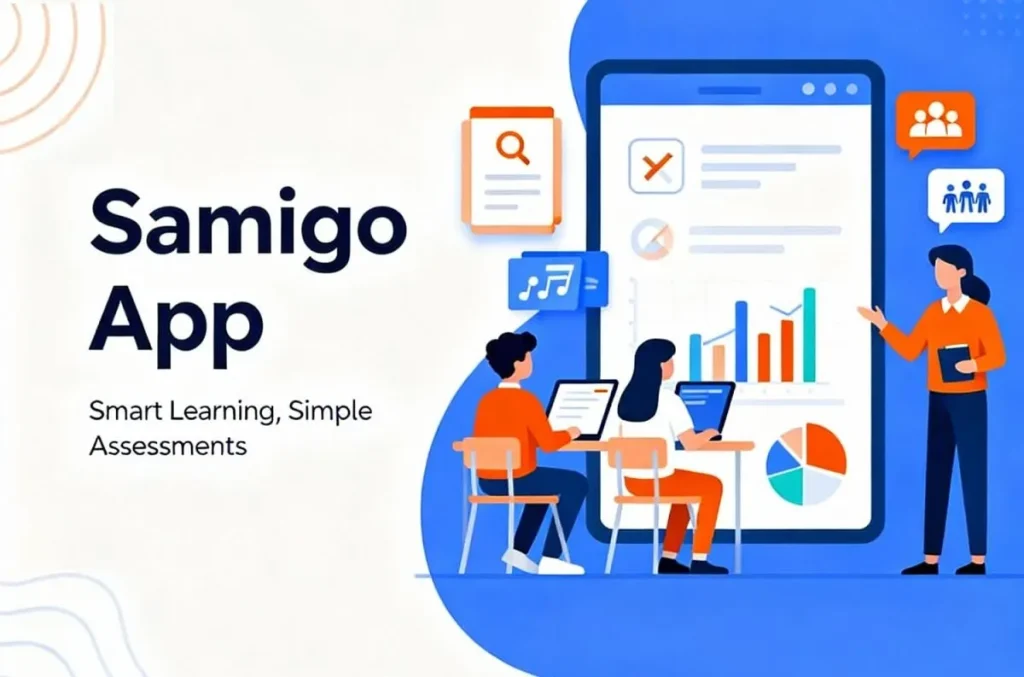
Managing your digital life in 2026 is not as simple as it sounds. Most people switch between five or six different apps just to get through a regular workday. There’s one for messaging, one for tasks, another for file sharing, and yet another for team calls. The constant switching is not just annoying — it quietly drains your focus and burns time you cannot get back.
That’s exactly the gap the Samigo app was built to fill. Instead of asking you to juggle multiple platforms, it brings communication, task management, collaboration, and smart productivity tools together under one roof. It is designed for real people — students, professionals, remote teams, and everyday users — who want a cleaner and more efficient digital experience without the clutter.
This article walks you through everything you need to know. What the Samigo app actually is. How it works in practice. What features make it stand out. Who it’s built for. What the real benefits look like. Where it falls short. And how you can get started today. By the time you finish reading, you’ll have a clear picture of whether it fits your life or not.
What Exactly Is the Samigo App?
At its simplest, the Samigo app is a mobile and web application built to help users connect, interact, and manage their digital activities in a more organized way. It combines communication tools, task management features, community engagement, and smart utilities into a single platform — rather than forcing users to piece together several different apps.
Think of it as a digital companion that merges social connectivity, productivity, and intelligent technology in one place. The app runs smoothly across Android, iOS, and web browsers, which means you can start something on your phone and pick it up on your laptop without missing a beat.
What makes the Samigo app different from most platforms is its core philosophy. Most popular apps are built around one function — messaging, task management, or social feeds. Samigo takes a different approach. It is structured around three central pillars: organized communication, purposeful interaction, and practical productivity. The goal is not to compete for your attention. It is to make your time online more intentional and productive.
The Problem It Was Built to Solve
We are living through what researchers call the attention economy. Apps are constantly competing for your screen time, your engagement, and ultimately your focus. The average person checks their phone over 90 times a day, and a large portion of that time is spent switching between apps rather than actually getting things done.
The Samigo app was designed with this problem in mind. According to a 2024 behavioral study by the American Psychological Association, users working within structured digital platforms showed 23% higher task completion rates compared to those using traditional social apps. When communication is organized and purposeful, productivity follows naturally. That is the principle driving every feature inside this platform.
Key Features of the Samigo App
The Samigo app packs a wide range of features into a surprisingly clean and lightweight package. Here is a closer look at what it actually offers and why each feature matters for real users.
Clean Interface and Simple Navigation
The first thing users notice is how uncluttered the layout feels. The interface is built with simplicity at the forefront. Buttons are clearly labeled, menus are logically organized, and nothing feels buried. Even first-time users tend to feel confident navigating within minutes, which is a rare quality in feature-rich productivity tools. Most apps that offer this many tools end up feeling overwhelming. Samigo manages to stay clean.
Apps that are easy to navigate tend to see higher long-term retention. When users do not have to fight the interface to get something done, they keep coming back. That design philosophy is central to how Samigo approaches every screen.
Smart Messaging and Communication Tools
Communication is the backbone of the platform. The messaging system uses adaptive AI to categorize conversations, highlight important messages, and even predict replies based on your patterns. For users managing multiple threads — team discussions, personal chats, group projects — this kind of intelligent filtering saves real time.
Beyond text, the app supports high-definition voice and video calls that remain clear even on lower bandwidth connections. Group chats support coordination for events or ongoing work, and rich media sharing means you can send documents, images, and voice clips without switching to a different app.
Task Management and Productivity Tools
This is where the Samigo app genuinely earns its place as a productivity tool. Users can create tasks, set priorities, assign deadlines, and break large projects into smaller, manageable steps. A visual progress tracker keeps motivation up, while smart reminders make sure nothing falls through the cracks.
Professionals use it to manage project timelines and automate routine scheduling. Students use it to track assignments, set study goals, and store notes in one organized space. The system adapts to changing priorities, so updating a task doesn’t throw off the entire workflow.
AI-Driven Suggestions and Analytics
The platform uses machine learning to power task suggestions, content recommendations, and predictive analytics based on your behavior. If you tend to focus better at certain times of day, the app learns that pattern and can help you schedule accordingly.
Built-in analytics give users visibility into productivity trends, activity logs, and engagement metrics. For teams, this data helps identify communication gaps and optimize how work gets done. For individual users, it turns vague productivity goals into measurable progress. A McKinsey Digital Workplace Survey found that companies using analytics-based collaboration tools made decisions 20% faster — and that kind of insight is what Samigo is trying to bring to everyday users.
For content creators, educators, and writers, the app also includes AI writing tools that help generate ideas, structure long-form content, and clean up grammar. This reduces the time spent editing and more time spent producing.
Privacy and Data Security
One of the most consistent complaints about mainstream social apps is how they handle user data. Samigo takes a different stance. End-to-end encryption protects all messages and files. Disappearing message options give users control over what stays and what goes. Secure cloud storage backs up sensitive data without exposing it.
Critically, the platform does not sell or share user information with advertisers. That alone puts it in a different category from most free apps. Location sharing, when enabled, only shows an approximate distance rather than precise coordinates — and users can disable it entirely at any time.
Cross-Device Sync and Cloud Integration
All user data syncs in real time across devices through cloud infrastructure. Whether you are updating a task list on your phone during a commute or joining a video call from your laptop, everything stays in sync. This continuity eliminates the friction of working across devices and keeps your workflow intact.
Who Is the Samigo App Really Built For?
Not every platform is right for every person. One of the honest strengths of the Samigo app is that it does not try to be everything to everyone in a vague way. It is clearly designed with specific types of users in mind, and understanding which group you fall into helps you decide if it is the right fit.
Students and Educators
For students, the app creates a structured learning environment that goes beyond passive note-taking. Gamified quizzes, interactive lessons, and collaborative group features turn studying into an active experience rather than a chore. The centralized dashboard shows assignments, deadlines, and materials in one view, which reduces the mental load of staying organized.
Educators benefit from tools that reduce administrative burden. Grading, feedback, and announcements can all live in one place, which means less time on logistics and more time on actual teaching. For institutions already using the Sakai Learning Management System, Samigo integrates directly — no separate download or setup required.
Remote Teams and Small Businesses
Remote work has created a real need for platforms that can replace the casual communication and spontaneous collaboration of an office environment. The Samigo app addresses this by serving as a central hub for team interaction. Managers can assign tasks, monitor progress, hold video meetings, and share files — all without jumping between tools.
For small businesses with limited budgets for enterprise software, this kind of all-in-one setup makes practical sense. Shared workspaces allow colleagues to collaborate on documents, leave comments, and review version history. Communication stays fast and transparent even when the team is spread across different time zones.
Everyday Users and Freelancers
Not everyone using the Samigo app is running a business or studying for exams. Many users simply want a cleaner, less overwhelming digital experience. The app’s lightweight design means it runs smoothly on most devices without draining battery life or storage. For freelancers juggling multiple clients, it simplifies project coordination and time tracking in one accessible space.
The platform appeals most strongly to users between 18 and 35 who are comfortable with technology but frustrated by how complicated most apps have become. If you want functionality without the noise, Samigo offers a reasonable middle ground.
Real Benefits of Using the Samigo App
Features are only useful if they translate into real improvements in how you work and communicate. Here are the genuine benefits that users consistently report after spending time with the platform.
One Platform Instead of Many
The productivity cost of app-switching is real and largely underestimated. Every time you move from a messaging app to a task manager to a file-sharing tool, you lose mental context. Research on cognitive switching costs shows it takes an average of over 20 minutes to fully regain focus after switching tasks. Reducing that friction has a measurable impact on output.
By consolidating communication, task management, and performance tracking under one dashboard, Samigo reduces the number of times you need to context-switch during a workday. That saved time compounds across weeks and months.
Structured Communication That Reduces Noise
Instead of one endless feed of mixed messages, the platform organizes conversations into categorized channels. Work discussions stay separate from personal chats. Project threads don’t mix with general announcements. This structure might feel slightly different at first for users coming from traditional social apps, but the clarity it creates is worth the brief adjustment period.
In a pilot study of remote teams using structured communication systems, response times improved by approximately 30%. When people know exactly where to look for information, they find it faster and respond more efficiently.
Lightweight Performance on Any Device
Many feature-rich apps come with a hidden cost: they slow down your device, drain your battery, and consume storage you didn’t mean to give up. Samigo is designed to run efficiently even on mid-range devices. It doesn’t require a powerful processor or a lot of RAM to perform well. For users in regions where high-end hardware is not the norm, this matters a great deal.
Data-Driven Insights for Better Decisions
Seeing your own productivity trends laid out clearly changes how you approach your day. The analytics dashboard shows when you are most active, which tasks take longer than expected, and where team engagement drops off. This kind of data transforms vague intentions into intentional strategy. For organizations, it means identifying problems before they grow into larger issues.
How to Get Started with the Samigo App
Getting up and running is straightforward. The app is available on both the App Store for iOS devices and Google Play for Android. There is also a web version accessible from any modern browser, which means you don’t even need to download anything to try it.
Setting Up Your Account
After downloading and installing, account creation takes only a few minutes. You will be asked to provide basic information and set your preferences for communication and notifications. Most actions during setup are menu-based, so there is no steep learning curve. The onboarding process is designed to get you exploring features quickly rather than spending time on configuration.
A practical tip before you download: check recent user reviews on the relevant app store. Official descriptions focus on what the platform does best, but reviews from the last 60 days give you a more honest picture of current performance, any recent bugs, and how responsive the support team is.
Building a Profile That Works
Your profile is the first impression you make on other users. Use an authentic photo and write a bio that reflects your actual interests or professional focus. Vague or empty profiles tend to get less engagement, while complete profiles with genuine details attract more meaningful connections.
If you are using the platform for team collaboration, set up your shared workspace before inviting colleagues. Agree on communication norms first — which channels are for what, how tasks are assigned, what the expected response times are. A few minutes of setup at the beginning prevents confusion later.
Tips for Getting the Most Out of It
A few practical habits will help you get real value from the platform faster:
- Resist the temptation to replicate your old social media habits inside the app. The categorized channel structure works best when you use it as designed.
- For students: if your institution uses Sakai, check whether Samigo is already integrated into your course dashboard. You may not need a separate account.
- For teams: run a short pilot with a small group before rolling it out to everyone. This surfaces practical issues early and gives you a chance to adjust.
- Use the analytics dashboard weekly rather than daily. Weekly reviews give you meaningful trend data rather than daily noise.
Samigo App vs. Other Platforms — How Does It Compare?
Context helps. Understanding where the Samigo app fits relative to tools you might already be using makes the decision clearer.
vs. WhatsApp and Telegram
Both WhatsApp and Telegram are excellent for personal messaging and group chats, but they stop there. They don’t include task management, productivity analytics, or structured workspaces. If your primary need is fast, informal communication, they are hard to beat. But if you want messaging plus tools to actually manage your work or learning, Samigo offers significantly more.
vs. Slack and Microsoft Teams
Slack and Teams are powerful enterprise tools, but they come with complexity and cost that doesn’t always make sense for students, small teams, or individual users. Samigo occupies a more accessible middle ground — less formal and more affordable, while still offering real collaboration features. It is not trying to replace enterprise software. It is trying to serve the people who can’t justify the cost or complexity of those tools.
vs. Traditional Social Media
This comparison is particularly interesting. Where Facebook and Instagram focus on existing social ties and algorithmic feeds, Samigo prioritizes purposeful discovery and structured interaction. There is no advertising model pushing irrelevant content at you. The platform does not profit from keeping you scrolling. That fundamental difference shapes how the entire experience feels.
Honest Limitations You Should Know About
No platform is perfect, and the Samigo app is no exception. Acknowledging the limitations honestly is more useful than pretending they don’t exist.
Users transitioning from traditional social apps often find the structured environment slightly restrictive at first. If you are used to open-ended feeds and casual browsing, the categorized channel system requires a shift in mindset. Most users report this adjustment taking one to two weeks before the structure starts feeling natural.
Like any cloud-based platform, stable internet access is a requirement. The offline functionality is limited, which can be frustrating for users in areas with inconsistent connectivity.
The user base, while growing, is still smaller than mainstream platforms. If the people you most want to connect with are not already on it, the social and community features are less immediately useful. This is the classic network challenge for any new platform.
Finally, the platform is only as useful as the content and structure you put into it. If courses are dull, collaboration feels hollow, or tasks are not organized thoughtfully, no amount of technology will fix that. The tool supports good habits — it doesn’t create them automatically.
Conclusion
The Samigo app is not trying to be the loudest voice in a crowded room. It is trying to be the most organized and useful one. For users who are tired of juggling five different tools, frustrated by data-hungry social platforms, or looking for a smarter way to manage learning and work, it offers something genuinely different.
Its strengths — structured communication, AI-powered productivity features, lightweight performance, and a serious commitment to privacy — make it worth exploring. Its limitations are real but manageable, particularly as the platform continues to grow.
The most practical approach is to try it for one specific use case first. If you’re a student, use it for one course. If you’re managing a remote team, run a two-week pilot with a small group. If you’re an individual user, give the task management tools a month before making any judgments. The best app is ultimately the one you’ll actually use consistently — and Samigo’s simplicity makes that a realistic possibility.
Q1. What is the Samigo app?
The Samigo app is a multi-purpose digital platform that combines task management, real-time communication, collaboration tools, and AI-powered productivity features in a single interface. It is designed to help users connect, interact, and manage digital activities in a more organized and user-friendly way — combining communication, utility tools, and community-style features in one place. It is used by students, remote teams, freelancers, and everyday users who want fewer apps and more efficiency.
Q2. Is the Samigo app free to use?
The core features of the Samigo app are free to download and use. There may be optional premium features or subscriptions available for enhanced functionality, but these are not required for basic use. Premium subscriptions typically range from $10–$20 per month, making it suitable for frequent users, though casual users often find the free tier sufficient. Users accessing the platform through a university or organization may already have their usage covered under an institutional license.
Q3. Is the Samigo app safe and legitimate?
Based on testing and analysis as of April 2026, the Samigo app is legitimate and offers a unique value proposition. Its focus on interest-based communities and meaningful connections sets it apart. There is no credible reporting that Samigo is fraudulent — most content highlights its legitimate utility for learning and productivity. To ensure safety, always download Samigo from official app stores such as Google Play or the Apple App Store, and avoid third-party APKs.
Q4. What devices and platforms does the Samigo app support?
The Samigo app runs smoothly on Android, iOS, and web browsers. Users can work through a web browser, mobile apps for iOS and Android, or desktop applications installed on Windows and macOS. All data syncs in real time across devices through cloud infrastructure, so switching from your phone to your laptop mid-task doesn’t break your workflow. Performance may vary slightly on older hardware.
Q5. How do I download the Samigo app?
The app is available on both the App Store for iOS and Google Play for Android. Simply search “Samigo” in the relevant store, select the listing with the highest ratings and download count, and install it as you would any standard app. A web version is also accessible from any modern browser without a download. Always verify you are downloading from an official store to avoid unofficial or modified versions.
Q6. What are the main features of the Samigo app?
The Samigo app integrates smart task management, real-time collaboration, AI-driven insights, and personalized workflows. Key features include structured messaging channels, HD voice and video calls, task creation with deadlines and priorities, shared workspaces, analytics dashboards, AI-powered writing tools, cross-device sync, and end-to-end encryption. It functions as an all-in-one software that combines task management, collaboration, and AI writing in one platform.
Q7. How does the Samigo app protect user privacy?
Security is at the heart of the app — it includes end-to-end encryption, disappearing messages, and secure cloud storage for sensitive data, and does not sell or share user information with advertisers. Although Samigo uses location-based discovery, it usually does not reveal exact GPS details — instead, the app may only show approximate distance, such as a general radius. Users can disable location sharing entirely at any time, and full privacy controls allow management of who can view your profile and initiate contact.
Q8. Who is the Samigo app designed for?
Students and professionals can organize tasks, schedules, and assignments efficiently. Teams and small businesses can manage collaboration, file sharing, and communication. Tech enthusiasts can explore AI-driven insights and smart productivity tools. Everyday users can simplify daily routines with reminders, analytics, and integrated utilities. The app attracts users predominantly aged 18–35, including students and professionals, though its clean interface makes it accessible to a broader age range.
Q9. Can the Samigo app be used for team collaboration?
Yes. Collaboration is at the core of what the Samigo app offers, allowing teams to work effortlessly irrespective of where they are in the world. Shared project spaces enable teams to work on various tasks and documents collaboratively through commenting, editing, and activity feeds — while file sharing with version control keeps everything organized. Managers can assign tasks, set deadlines, monitor progress, and hold video meetings entirely within the platform.
Q10. Is the Samigo app good for students?
The Samigo app is designed to make learning more active and meaningful. Instead of students passively listening or reading, it encourages them to take part in the process — features like gamified quizzes and interactive lessons make studying feel less like a chore and more like an engaging challenge. Students benefit from centralized materials, clear deadlines, and integrated feedback, while a structured interface reduces mental overload. For institutions using Sakai LMS, Samigo is directly embedded and requires no separate account setup.
Q11. Does the Samigo app work without the internet?
The Samigo app is primarily cloud-based and requires an active internet connection for its main functions — including real-time messaging, file synchronization, video calls, and analytics. Offline productivity is supported to a degree — users can view files, edit notes, and draft content without internet access, though features that depend on live data or communication will not be available. Users in areas with inconsistent connectivity should factor this in before making the platform their primary tool.
Q12. How does the Samigo app compare to WhatsApp and Telegram?
WhatsApp and Telegram are excellent for personal messaging but stop there. The Samigo app adds a layer of structured productivity that messaging-only apps do not provide. Unlike typical chat apps, Samigo integrates structured workflows and evaluation tools — making it especially appealing in academic and professional environments. If all you need is fast messaging, WhatsApp is simpler. If you need messaging combined with task tracking, team workspaces, and analytics, Samigo offers significantly more value.
Q13. How does the Samigo app compare to Slack or Microsoft Teams?
Slack and Microsoft Teams are enterprise-grade tools that come with complex setups and higher costs. Samigo stands out particularly in structured environments while remaining more accessible and affordable for students, small teams, and individual users who cannot justify the price or complexity of enterprise software. It is not a direct replacement for large-scale enterprise deployments, but it covers the core needs of most small to medium collaborative groups very effectively.
Q14. What age do you need to be to use the Samigo app?
You must be at least 18 years old to create an account on the Samigo app. The platform requires age verification during sign-up to ensure compliance with this requirement. This age restriction is in place for safety and legal reasons. Users below this age limit should not attempt to create accounts, and parents or guardians should check platform requirements before allowing access to any digital communication tool.
Q15. How do I delete my Samigo app account?
To delete your account, go to the app settings and look for the account management section. There should be an option to deactivate or delete your account. Keep in mind that deleting your account is usually permanent and you will lose all your connections and messages. If you are unsure, you might want to deactivate temporarily first. It is advisable to back up any important data or files before proceeding with permanent deletion.
Q16. Does the Samigo app use artificial intelligence?
Yes. AI features in Samigo analyze usage patterns to recommend tasks, prioritize schedules, suggest people or groups to follow, and provide adaptive insights that help improve workflow and learning outcomes. AI writing tools inside the app help users generate ideas, format articles, summarize content, and structure projects quickly — with integrated grammar intelligence that reduces editing effort and improves tone. The machine learning layer becomes more personalized the more consistently you use the platform.
Q17. Can I use the Samigo app for educational assessments and quizzes?
Within the Sakai LMS ecosystem, SAMigo serves as the primary engine for Tests and Quizzes. It supports diverse question types including short answer and essay formats — allowing for qualitative assessment that goes beyond simple right/wrong answers. It also supports audio recording, file uploads, and a hybrid grading approach combining automatic and manual feedback. For institutions using Sakai, Samigo is the built-in testing and quiz tool and requires no separate installation.
Q18. How does the Samigo app handle fake accounts and bad actors?
Quick blocking and reporting tools enable the moderation team to address issues promptly. Profile verification adds credibility, and a simple photo check earns a badge that signals genuineness. The reporting feature lets you flag problematic users to the app’s moderation team, who will review the situation and take action if needed. While no platform eliminates fake profiles entirely, the verification and moderation systems significantly reduce the risk. Users are always advised to exercise common sense when interacting with new connections online.
Q19. Does the Samigo app integrate with other tools and platforms?
Samigo works with third-party tools like Google Calendar, Dropbox, Slack, and Trello, allowing you to import files, sync schedules, and maintain a connected workflow. This cross-tool integration means users are not forced to abandon existing tools they rely on — instead, Samigo acts as a central hub that pulls data and tasks from multiple sources into one organized view. Integration depth may vary depending on the platform version and whether you are on a free or premium plan.
Q20. How do I set up a profile on the Samigo app to get the best results?
Invest in your profile with authentic photos and an engaging bio. Initiate conversations thoughtfully by referencing shared interests to elicit better responses. Refresh your content regularly to stay visible, and use filters strategically without over-limiting options. For team or professional use, complete your profile with your role, key skills, and working preferences. A complete, genuine profile attracts more meaningful connections and better collaboration invitations than an empty or vague one.
Q21. Is there a premium version of the Samigo app and what does it include?
Many features are available for free, although some advanced functionalities may require a subscription or in-app purchases. Premium tiers typically unlock extended analytics, larger file storage, advanced AI writing tools, broader integration options, and higher usage limits on messaging and task creation. In institutional settings, Samigo is typically included as part of a broader learning management system — if you are accessing through a university or organization, your usage may already be covered.
Q22. What do real users say about the Samigo app — reviews and ratings?
Users generally rate Samigo between 3.5 and 4 stars. Positive feedback emphasizes its ease of use, clean design, and all-in-one convenience. On the flip side, some negative reviews point to occasional technical issues like slow loading times or bugs. Some users feel frustrated by the daily limits on the free version, which they feel pushes them too hard toward the premium subscription. The general consensus is that the platform delivers real value for students and collaborative teams, with the most common complaints being minor performance issues and feature restrictions on the free tier.
Q23. What is the difference between SAMigo in Sakai LMS and the Samigo productivity app?
SAMigo within the Sakai open-source ecosystem serves as the primary engine for Tests and Quizzes in academic institutions — functioning as the central nervous system for online evaluation with broad question type support and robust security settings like IP restrictions and timed assessments. The Samigo productivity app, on the other hand, is a broader platform focused on task management, team collaboration, messaging, and AI-powered tools for both professional and personal use. Both carry the Samigo name but serve distinct purposes across different user contexts.
Q24. What does the future look like for the Samigo app?
The future looks promising for the Samigo app as developers continue to innovate and expand its capabilities. As remote work and digital education continue expanding in 2026, platforms like Samigo that blend collaboration with accountability will continue gaining importance. Potential developments include deeper AI personalization, broader third-party integrations, improved offline capabilities, and expansion into new markets. The ongoing development and updates suggest a commitment from the developers to improve the user experience and address emerging trends in digital communication.