
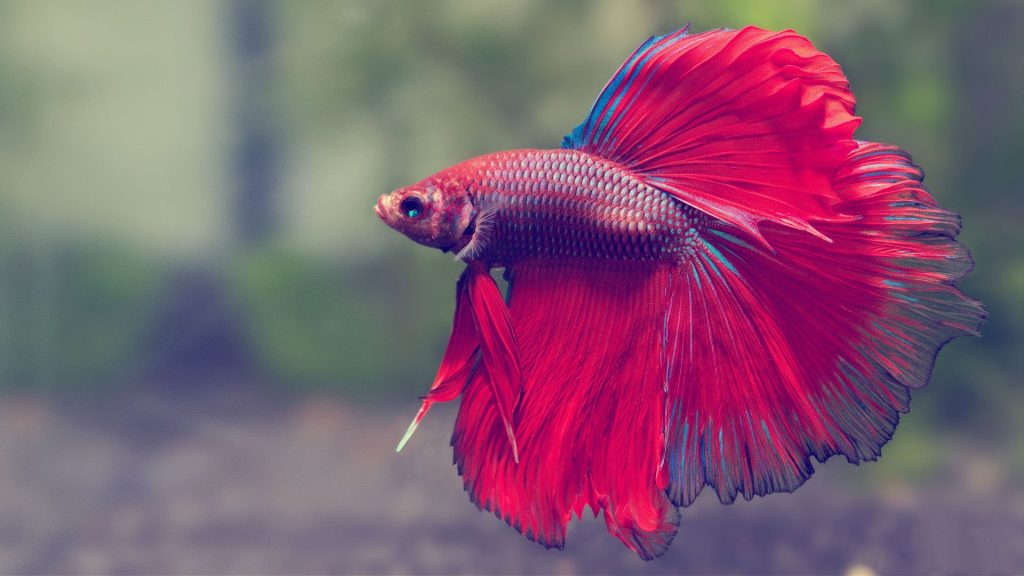
If you have ever walked past an aquarium store and stopped dead in your tracks because of one fish — all flowing fins, bold color, and attitude — you have already met the Siamese fighting fish. Scientifically known as Betta splendens, these fish are one of the most recognizable and widely kept freshwater species in the world. And yet, despite their popularity, they are also among the most commonly mistreated.
The biggest problem? Most people set up a siamese fish tank based on what looks nice rather than what the fish actually needs. A small glass bowl on the kitchen counter might look charming, but it is essentially a welfare failure dressed up as decoration.
This guide is here to change that. Whether you are setting up your first siamese fish tank or trying to improve an existing one, everything you need to know is laid out here — from tank size and water quality to feeding, tank mates, health, and daily maintenance.
Understanding the Siamese Fighting Fish Before You Buy
Before you spend a single cent on equipment, it pays to understand what kind of animal you are dealing with. Betta splendens are native to the shallow, warm, slow-moving waterways of Southeast Asia — particularly Thailand (formerly Siam, which is where the name comes from), Cambodia, and Vietnam. In the wild, they live in rice paddies, floodplains, irrigation canals, and shallow ponds.
Their natural environment is warm, often murky, and densely planted. That context matters a lot when you are deciding how to build their tank.
What Makes Bettas Unique
One of the most remarkable things about bettas is their labyrinth organ. Unlike most fish, they can breathe atmospheric air directly from the surface. This adaptation evolved because their native waters are often low in dissolved oxygen. It also means they need space between the water surface and the tank lid to take in air — blocking this access can actually suffocate them.
Male bettas are the showstoppers. They come in hundreds of color combinations and fin types, including the common Veil Tail, the dramatic Half Moon (whose tail fans out to 180 degrees), and the spiky Crown Tail. The longer and more elaborate the fins, the more care you need to take with tank decorations and potential fin-nipping tank mates.
Female bettas are shorter-finned, generally calmer, and a little less colorful. They can sometimes be kept together in groups, something male bettas absolutely cannot do. With proper care, a betta can live five to seven years. That means your tank setup is a long-term commitment, not a short-term experiment.
Why Their Name Tells You Everything
The name “Siamese fighting fish” is not just a colorful label. Male bettas are hardwired for aggression toward other males. In nature, battles in shallow water rarely result in one fish being cornered and killed — the loser can escape. In a closed tank, there is nowhere to run. Two males in the same enclosure will fight, and the consequences are often fatal for one or both of them.
This shapes every decision you make about your siamese fish tank, from who shares the water to how the tank is decorated.
Choosing the Right Siamese Fish Tank — Size, Shape, and Placement
Minimum Tank Size and Why Bigger Wins Every Time
This is where many new betta owners go wrong. The idea that a betta can thrive in a tiny bowl is one of the most persistent myths in fishkeeping, and it causes real harm to these animals.
The absolute minimum recommended size for a siamese fish tank is five gallons. Even that is just a floor, not a goal. A ten-gallon tank is far more forgiving — the larger water volume dilutes waste more slowly, temperature stays more stable, and the fish has genuine room to explore. A twenty-gallon setup becomes ideal if you plan to add tank mates. More water means more territory, which directly reduces aggression and stress.
Here is a simple way to think about it: the more water you have, the less frequently things go wrong, and the more time you have to catch and correct problems before they hurt your fish.
Shape, Lid, and Positioning
Rectangular tanks are better than tall, narrow ones. Bettas prefer horizontal swimming space. They are mid-to-top-level swimmers who regularly visit the surface for air, so a tank that is wide rather than deep suits them far better.
A secure lid is not optional — it is essential. Bettas are exceptional jumpers. An uncovered tank is a death trap, and it happens far more often than new owners expect. That said, leave a gap of at least an inch or two between the water surface and the lid. Your betta needs that air space to breathe.
Consider covering at least one side of the tank with a backing. Bare glass on all sides leaves the fish feeling constantly exposed, which causes ongoing stress. For positioning, keep the tank away from direct sunlight — this causes algae blooms and dangerous temperature spikes. A stable, calm spot in the room is ideal.
Setting Up Water Quality in Your Siamese Fish Tank
Water quality is the single most important factor in your fish’s health. Most diseases and premature deaths in home aquariums trace back to poor water conditions. Get this right, and almost everything else becomes easier.
Temperature — Stable and Warm
Bettas are tropical fish. They need water consistently between 24 and 28 degrees Celsius (76 to 82 degrees Fahrenheit). Room temperature in most homes is nowhere near warm enough, and the fluctuations between day and night make it even more problematic.
A submersible aquarium heater is the only reliable solution. Avoid the small lamps sometimes sold with betta bowls — they cannot maintain consistent temperature, especially overnight. Choose a heater with an adjustable thermostat and check it regularly with a separate thermometer.
Water Parameters, Filtration, and Cycling
Before you ever add a fish, your tank needs to go through the nitrogen cycle. This is the process by which beneficial bacteria establish themselves in your filter media and substrate, converting toxic ammonia (from fish waste and uneaten food) into less harmful nitrate. Skipping this step is one of the most common mistakes new fishkeepers make.
The target water parameters for a healthy siamese fish tank are:
- Ammonia: 0 ppm
- Nitrite: 0 ppm
- Nitrate: below 20 ppm
- pH: 6.5 to 7.5
Test your water weekly, especially in the first few months. A basic liquid test kit is far more accurate than the strip versions.
When it comes to filtration, bettas need gentle flow. They tire quickly in strong currents. A sponge filter or a low-flow hang-on-back filter with a baffle is ideal. Strong powerheads and canister filters set to full power are not suitable.
Always treat tap water with a dechlorinator before adding it to the tank. Modern tap water often contains chloramine, which does not evaporate like chlorine does — it must be chemically neutralized. Weekly water changes of 25 to 50 percent are essential for removing accumulated nitrates and keeping the environment stable.
Substrate, Plants, and Decoration
The bottom of your siamese fish tank matters more than most people think. Soft, inert sand or fine-grain soil is the best choice. Bettas sometimes rest near the bottom, and sharp gravel can tear their fins.
Live plants are strongly recommended. Java fern, Anubias, and floating plants like frogbit provide hiding spots, reduce stress, improve water quality by absorbing nitrates, and give the tank a far more natural look. Floating plants are especially useful because bettas love to rest near the surface under cover.
Indian Almond Leaves, also known as Catappa leaves, are a favorite among serious betta keepers. They release tannins that soften and slightly acidify the water, closer to a betta’s natural environment. They also have reported antibacterial properties and help condition the fish’s skin.
Avoid sharp plastic decorations and ornaments with jagged edges. A betta’s fins are delicate, and a single snag can start an infection. If you can run a nylon stocking over a decoration without it catching, it is safe for fins.
Feeding Your Siamese Fighting Fish Properly
What Bettas Actually Eat
Bettas are carnivores. In the wild, they eat aquatic invertebrates, insect larvae, and small organisms near the water surface. This means they need a high-protein diet — not the generic flake food sold for community fish.
Choose high-quality floating pellets or small granules formulated specifically for bettas. Look at the ingredient list: the first ingredient should be a named protein source, not a filler grain or plant meal.
Supplement the pellet diet with frozen or live foods a few times per week:
- Bloodworm
- Brine shrimp
- Daphnia
- Mosquito larvae
These foods mimic the natural diet, encourage natural hunting behavior, and provide nutrients that pellets alone cannot fully supply. A betta fed a varied diet will show noticeably better color and energy than one fed only pellets.
Feeding Schedule and Avoiding Common Mistakes
Feed your betta once or twice a day. Offer only what the fish can finish within two to three minutes. Remove any uneaten food immediately — food that sinks and sits on the substrate breaks down and spikes ammonia levels quickly.
Many betta keepers build in one fasting day per week. This gives the digestive system a rest and helps prevent constipation and swim bladder disorders, both of which are common in overfed bettas. Signs of overfeeding include a visibly bloated belly and food debris accumulating at the bottom between cleanings.
Siamese Fighting Fish Tank Mates — Who Can Actually Share the Space?
This is one of the most searched topics for betta keepers, and the honest answer is: it depends. Bettas are individuals. Some are genuinely mellow and will ignore most tank mates entirely. Others are relentless aggressors who will attack anything that moves. You will not know which type you have until you try.
The Rules That Are Not Negotiable for Siamese Fighting Fish Tank Mates
Two male bettas must never share a tank. This is non-negotiable. They will fight, they will injure each other, and in a closed aquarium, the weaker fish has nowhere to escape. This is not aggression that can be managed with decorations or distractions — it is instinct.
Male and female bettas should not be housed together outside of closely supervised breeding attempts. Males will persistently harass females, often to a harmful degree.
Female bettas can sometimes coexist in a group of four to six in a well-planted tank of at least twenty gallons. This is called a sorority tank. It can work, but it requires close monitoring during the establishment phase as a pecking order forms. Always have a backup tank ready.
Fish and Animals That Work Well as Siamese Fighting Fish Tank Mates
Bottom-dwelling fish are generally the safest choice because they occupy a different part of the tank and have little reason to interact with your betta:
- Corydoras catfish — peaceful, social, excellent scavengers
- Kuhli loaches — shy, eel-like, spend most time buried in substrate
- Otocinclus catfish — small algae eaters, completely non-aggressive
Mid-level schooling fish can work well if the betta’s temperament allows:
- Harlequin Rasboras — peaceful, require similar water conditions, fast enough to avoid conflict
- Ember Tetras — small, calm, and stay out of a betta’s territory
- Neon Tetras — colorful and fast-swimming, reducing the chance of being caught
Non-fish options are often the easiest additions to a siamese fish tank:
- Nerite snails and Mystery snails — hard shells protect them, and they help clean algae
- Ghost shrimp or Amano shrimp — good cleaners, though monitor with aggressive bettas
- African Dwarf Frogs — peaceful and interesting, but ensure they can reach the surface to breathe
What to Avoid Putting in a Siamese Fighting Fish Tank
Some species simply should not share space with bettas, regardless of tank size:
- Tiger barbs and Serpae tetras are notorious fin-nippers — they will shred a betta’s fins
- Gouramis share behavioral traits with bettas and trigger territorial aggression
- Male fancy guppies have long, colorful tails that bettas often mistake for rival males
- Large cichlids are aggressive and will bully or kill a betta
- Tiny fry or nano fish are likely to be eaten
How to Introduce New Tank Mates Safely
Quarantine any new fish in a separate tank for at least two weeks before adding them to the main tank. This prevents introducing disease.
Before introduction, rearrange the decorations in your main tank. This disrupts any established territorial boundaries and makes the space feel unfamiliar to the betta, giving new arrivals a better start.
Introduce fish one at a time and monitor behavior closely for the first two to four weeks. Watch for fin damage, hiding behavior, chasing, and loss of appetite in any fish. Always have a spare tank ready in case you need to remove a fish quickly.
Common Health Problems in a Siamese Fish Tank and How to Handle Them
Even well-kept bettas get sick occasionally. Knowing what to look for means catching problems early, before they become serious.
Fin Rot is one of the most common betta diseases. It looks like fraying, discoloration, or receding edges on the fins. It is almost always caused by poor water quality or fin-nipping tank mates. Improve water conditions immediately and remove any aggressive fish.
Ich (White Spot Disease) appears as small white spots scattered across the body and fins, similar to grains of salt. It is caused by a parasite and spreads quickly. Raise the water temperature slightly and treat with an appropriate ich medication.
Swim Bladder Disorder causes the fish to float sideways, sink to the bottom, or struggle to maintain a normal position in the water. It is often diet-related. Fast the fish for two to three days, then try feeding a small piece of blanched pea (skin removed) to help with digestion.
Velvet is a parasitic infection that appears as a fine gold or rust-colored dust on the fish’s body. It is highly contagious and needs prompt treatment. Dim the tank lights, as the parasite is sensitive to light, and treat with a copper-based medication.
Prevention is straightforward: maintain clean, stable water, quarantine new arrivals, and never add untreated tap water directly to the tank.
Ongoing Maintenance for a Healthy Siamese Fish Tank
A well-maintained siamese fish tank does not demand hours of your time every week. It just demands consistency.
Daily Tasks
- Feed your fish and observe their behavior and color
- Check the thermometer to confirm temperature is stable
- Glance at the water for cloudiness or unusual smell
Weekly Tasks
- Perform a 25 to 50 percent water change using treated, temperature-matched water
- Test water parameters — ammonia, nitrite, nitrate, and pH
- Wipe algae from the glass with an aquarium-safe magnet cleaner
- Vacuum the substrate with a gravel siphon to remove debris
Monthly Tasks
- Rinse filter media in a cup of old tank water (never tap water — it kills beneficial bacteria)
- Check the heater is functioning correctly
- Trim live plants to prevent them from blocking surface access
- Inspect all decorations for sharp edges, cracks, or deterioration
Signs that your tank needs immediate attention include persistent cloudy water, a strong ammonia or sulphur smell, sudden changes in your fish’s behavior, or visible signs of illness. Do not wait to address these.
Conclusion
Setting up a proper siamese fish tank is not about spending the most money or buying the fanciest equipment. It is about understanding what this fish actually needs and building an environment that delivers it consistently.
Start with the right size tank — at least ten gallons for a single male. Keep the water warm, clean, and gently filtered. Plant it generously, feed a varied protein-rich diet, and choose tank mates with care. Do weekly water changes without fail.
A well-set-up siamese fish tank rewards you with years of watching one of the most visually stunning and behaviorally interesting fish in freshwater keeping. These fish recognize their owners, respond to feeding routines, and display personality in a way that few other aquarium species do.
Do it right from the start. Your betta will thank you for it.
FAQ 1: What is the minimum tank size for a siamese fish tank?
The absolute minimum is 5 gallons, as anything smaller puts the fish at high risk of ammonia poisoning from rapid water parameter changes. However, most experienced keepers recommend a 10-gallon tank as the practical starting point. A larger tank offers more stable water parameters, more swimming space, better filtration options, and greater opportunities for environmental enrichment — all of which directly benefit the fish’s health and lifespan.
FAQ 2: Do siamese fighting fish need a heater in their tank?
Yes, without exception. The tank should be heated using a submersible aquarium heater, with temperature maintained between 24 to 26°C. Normal room temperature is not suitable, as it is generally too cold and can also fluctuate, which is stressful to the fish. Betta fish prefer temperatures around 80°F and tend to be much more active when kept in warmer waters. In the United States, where room temperatures are commonly between 67°F to 69°F, a betta fish without a heater is quite lethargic and may even become sick from the constant stress of being too cold.
FAQ 3: Can two siamese fighting fish live in the same tank?
Male fish will attack each other and may even fight to the death, so two male bettas should never be placed in the same aquarium. Female bettas are more manageable. Female betta fish can be quite peaceful and friendly when kept together, but it requires experience from the keeper. A group of four to five females in a well-planted 20-gallon tank — called a sorority — can sometimes work, but close monitoring is always essential.
FAQ 4: What water parameters does a siamese fish tank need?
Siamese fish are sensitive to poor water quality, so regular monitoring and maintenance are essential. Perform weekly water tests to check for ammonia, nitrite, and nitrate levels. Aim for zero ammonia and nitrite and keep nitrate levels below 20 ppm. A proper filtration system is crucial for removing toxins and maintaining water clarity, providing mechanical, biological, and chemical filtration. The ideal pH range sits between 6.5 and 7.5.
FAQ 5: How often should you change the water in a siamese fish tank?
Aim for a weekly water change of 25% to 50%. Use a dechlorinator to neutralize chlorine and chloramine in tap water before adding it to the tank. If you have a small 1-gallon bowl, you will have to clean the tank every two to three days with 100% water changes, which creates a volatile environment that is very stressful on the fish. In a properly sized, filtered tank, weekly partial changes are all that is needed to keep water quality stable and safe.
FAQ 6: What are the best tank mates for a siamese fighting fish?
Some recommended tank mates include aquatic snails, large shrimp, corydoras, otocinclus catfish, and small non-nippy tetras. It is important to note that widows, serape, and cochus blue tetras are not recommended due to their tendency to nip fins. Bottom-dwelling fish such as corydoras and kuhli loaches can be great companions for siamese fighting fish, as these species are generally peaceful and spend most of their time on the substrate. Tank size plays a major role — a minimum of 20 litres per fish is the general baseline.
FAQ 7: What does a bubble nest in a siamese fish tank mean?
A betta fish bubble nest is a cluster of small air bubbles that a betta blows at the surface of the water, forming a floating raft that may gather in a corner of the tank, under floating plants, or near décor. Most animals do not exhibit mating behaviors if they are stressed or in poor health, and bettas are no exception. So if you see bubble nest construction from your male betta, you know you are providing a healthy, stress-free environment. It does not mean breeding is imminent — males build nests even without a female present.
FAQ 8: How long do siamese fighting fish live in a tank?
Most bettas live three to five years, though some have been known to live up to 10 years with excellent care. Common causes of betta fish death include poor environmental conditions, unclean water, bad tank mates, small tank size, sudden changes, ammonia poisoning, and overfeeding. A properly sized, heated, filtered tank with weekly water changes and a varied diet gives a betta the best possible chance at a full lifespan.
FAQ 9: Does a siamese fish tank need a filter?
Yes. The best for the fish in terms of welfare and environmental enrichment is its own heavily planted tropical aquarium, with gentle filtration, as male fish will tire when swimming against any water flow. A sponge filter or low-flow hang-on-back filter is ideal. Strong currents are harmful to bettas because their long fins make sustained swimming against current exhausting and stressful. Without filtration, ammonia builds up rapidly, causing gill damage and disease.
FAQ 10: Can siamese fighting fish live with shrimp in the same tank?
Shrimp are excellent at cleaning up leftover food and algae without bothering bettas. Just make sure your betta does not see them as a snack by picking the bigger size shrimp and avoiding cherry shrimp or bee shrimp — a well-fed betta is less likely to hunt its tank mates. Ghost shrimp and Amano shrimp are the safest options due to their larger size. The individual temperament of the betta is always the deciding factor, so close monitoring during the first few weeks is essential.
FAQ 11: Why is my siamese fighting fish staying at the bottom of the tank?
Sitting on the bottom of the tank is a key sign to check temperature immediately. Cold water is one of the most common causes of lethargy in bettas. Beyond temperature, the issue may also be poor water quality (high ammonia or nitrite), swim bladder disorder, or an early sign of disease such as velvet or internal parasites. Test water parameters first, confirm the heater is working, and observe the fish for other symptoms like clamped fins, color loss, or refusal to eat. Kellyville Pets
FAQ 12: What fish should never be put in a siamese fighting fish tank?
It is important to refrain from keeping siamese fighting fish with barbs or other hard-shelled fish. Barbs, such as tiger barbs, are known to have a tendency to bite the fins of other fish, and siamese fighting fish often have elongated fins, making them attractive targets. Also avoid barbs and gouramis. Tiny neons and babies in general are also a bad idea, as siamese fighting fish often take it upon themselves to make meals of them. Male fancy guppies with flowing tails should also be avoided as bettas frequently mistake them for rival males.
FAQ 13: How do you cycle a new siamese fish tank before adding a betta?
A common question is “Do betta fish need a cycled tank?” and the simple answer is yes. Cycling means establishing colonies of beneficial bacteria in your filter media and substrate that convert toxic ammonia into less harmful nitrate. The process typically takes four to eight weeks. You can speed it up by adding a small amount of used filter media from an established aquarium. The tank is ready when ammonia and nitrite both read zero on a liquid test kit, with only a modest amount of nitrate present.
FAQ 14: How much light does a siamese fish tank need per day?
Betta fish prefer day-night cycles just like you do, so turn off the lights at night. Maintain a consistent light cycle to regulate the betta’s day-night rhythm. Avoid excessive exposure to bright lights, as this can cause stress. A general guideline is 8 to 10 hours of light per day, followed by a full dark period. Floating plants naturally diffuse intense light, which bettas tend to prefer over harsh overhead lighting.
FAQ 15: Do siamese fighting fish need live plants in their tank?
Not strictly required, but strongly recommended. Plant heavily and utilise surface vegetation which the fish will use to rest and breed in. Consider a good liquid fertiliser and CO2 injection to get the best out of your plants. Live plants absorb nitrates, improve water oxygenation, provide hiding spots, reduce stress, and create a far more natural environment. Java fern, Anubias, and floating plants like frogbit are all low-maintenance choices that thrive under standard aquarium lighting without CO2 injection.
FAQ 16: Can siamese fighting fish live in a community tank?
Siamese fighting fish can live with some peaceful species in larger tanks. Female bettas are generally more peaceful and can live together, but they may occasionally display aggressive behaviour. A well-structured aquarium with plenty of space and hiding spots can reduce stress and aggression. Understanding and managing the territorial instincts of bettas is crucial for anyone looking to keep them in a community tank. Success depends heavily on the individual betta’s temperament — some tolerate tank mates well, others do not, regardless of species choice.
FAQ 17: How do you treat fin rot in a siamese fish tank?
Treatment for fin rot typically involves improving tank water quality, performing regular water changes, and administering appropriate medications. For fin rot, daily water changes and the addition of aquarium salt can be beneficial. To treat a betta with fin rot using aquarium salt, transfer the fish to a separate quarantine tank and add 1 teaspoon of aquarium salt per gallon of water for mild cases. Do not continue salt treatment for more than 10 days, as prolonged exposure to salt can damage a betta’s kidneys. Severe cases may require a broad-spectrum antibiotic.
FAQ 18: What is the ideal substrate for a siamese fish tank?
Starting at the bottom, use a substrate of soft inert sand or soil to encourage plant growth, with small wood pieces and leaves. Fine sand is the most naturalistic and betta-safe option, as bettas sometimes rest near the bottom and sharp gravel edges can tear their fins. Aqua soil is also popular in planted tanks as it lowers pH slightly (beneficial for bettas) and supports vigorous plant growth. Avoid large, jagged gravel — it traps debris, causes ammonia spikes, and poses a physical risk to the fish.
FAQ 19: Do siamese fighting fish recognize their owners?
Bettas are intelligent: they can recognize owners, learn feeding routines, and even perform tricks. Many betta keepers report their fish becoming noticeably more active when a familiar person approaches the tank, compared to strangers. This level of recognition is one of the reasons bettas are considered one of the most rewarding freshwater fish to keep — they interact with their environment and their owners in ways that most other aquarium fish do not.
FAQ 20: How do you introduce a new betta to an existing tank?
Quarantine is an essential step in preventing the introduction of diseases or parasites into your main tank. Keep new fish in a separate quarantine tank for a minimum of two weeks to observe their behaviour and ensure they are healthy. Before introducing any tank mates, rearrange decorations to disrupt existing territorial boundaries. Float the bag in the tank for 15 minutes to equalise temperature, then gradually mix tank water into the bag over another 15 minutes before releasing the fish. Monitor closely for at least two weeks.
FAQ 21: What is the best filter type for a siamese fish tank?
A sponge filter is widely considered the best choice for a siamese fish tank because it creates a gentle, diffuse flow with no risk of sucking in fins or fry. With their long fins, betta fish can become overtired fighting against strong currents. Gentle filtration systems, like sponge filters, can help minimize stress. Low-flow hang-on-back filters with a baffle or spray bar are also suitable for larger tanks. Avoid powerful canister filters or powerheads set to high flow — these are genuinely harmful for bettas.
FAQ 22: Can you use tap water in a siamese fish tank?
Only with proper treatment. Tap water often contains chlorine for killing harmful pathogens, and this chemical is also lethal to betta fish. You may have heard that letting the water sit out overnight allows the chlorine to evaporate, but nowadays some cities treat their water with chloramine, which does not evaporate. Therefore, always add some water conditioner or dechlorinator to make your tap water safe before pouring it into your betta fish’s tank. A quality liquid water conditioner neutralizes both chlorine and chloramine instantly and is inexpensive to use weekly.
FAQ 23: How many gallons does a siamese fighting fish tank need for tank mates?
You need a tank with a capacity of 40 litres for one siamese fighting fish and a school of small community fish, with an extra 20 litres recommended for a large shoal or each additional small shoal of another species. In practical terms, this means a minimum of 10 gallons for a betta with a small group of bottom-dwellers, and 20 gallons or more for a full community tank setup. More water always means more stability and less territorial conflict.
FAQ 24: How do you know if a siamese fish tank is too small?
Key signs that a tank is undersized include: ammonia and nitrite readings rising rapidly between water changes, the fish showing constant stress behaviors (glass surfing, hiding, clamped fins), lethargy from temperature instability, and difficulty maintaining stable water parameters. Tanks for housing siamese fighting fish ideally should be 20 litres or more in volume to allow the fish to display normal activity, with 10 litres being the absolute minimum. Small tanks or fish bowls do not provide adequate space to meet the fish’s physical and mental needs. If you are doing water changes more than twice a week just to keep the water safe, the tank is too small.