
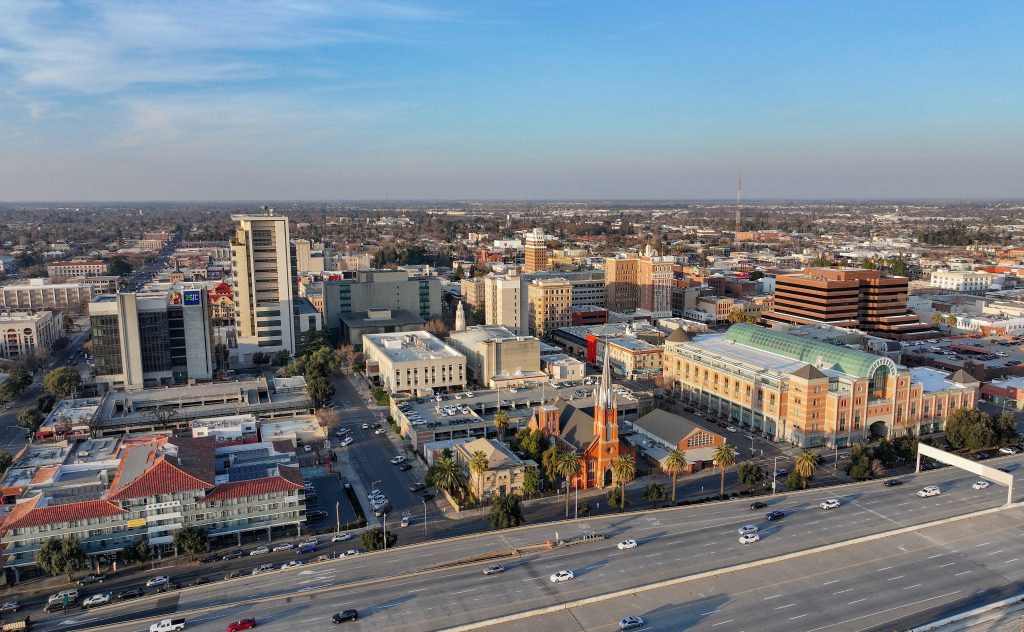
Stockton, California is a city in the middle of a real transformation. It is not the same place it was ten years ago, and the stockton news coming out of it right now proves exactly that. From major leadership shifts at City Hall to record-low crime numbers, from federal housing grants to a citywide climate plan built on community input — there is a lot happening here, and it deserves a closer look.
Whether you live in Stockton, work here, invest here, or just want to stay informed about one of California’s most talked-about cities, keeping up with local developments is more important than ever. The stories shaping Stockton today will define what this city looks like for the next decade.
This article covers the most important and up-to-date topics across public safety, local government, economic development, healthcare, community life, and where to find the most reliable stockton news sources. It is written to give you a real, grounded understanding of where this city stands right now — not just the headlines, but the context behind them.
The Media Landscape Covering Stockton California News
Before diving into what is happening, it helps to understand where people are getting their information. Stockton has a surprisingly active media landscape for a city its size, and each outlet brings something different to the table.
Stocktonia is Greater Stockton’s independent, nonprofit newsroom. It publishes multiple times a week and focuses heavily on accountability journalism — the kind that follows public money, city council decisions, and community impact over time. If you want depth on local government and policy, this is a strong starting point.
KCRA 3 is one of the most recognized broadcast names in Northern California. Its viewing area covers Sacramento, Stockton, and Modesto, and it positions itself as the region’s first stop for breaking news, weather, and daily headlines. KCRA Stockton news coverage is particularly useful for fast-moving stories — crimes, emergencies, weather events, and election results.
The San Joaquin Valley Sun leans into political and legal reporting, covering stories that often involve court proceedings, elected officials, and government accountability. For anyone tracking criminal cases or political controversies, it fills an important gap.
The City of Stockton’s official newsroom at stocktongov.com publishes press releases, policy announcements, and event notices directly from City Hall. It is not journalism in the traditional sense, but it is essential for anyone wanting the official word on municipal decisions.
NewsBreak aggregates hyperlocal content from multiple sources, giving readers a broader sweep of what is being published across outlets at any given time.
Together, these sources give Stockton residents a reasonably full picture of what is happening. No single outlet covers everything, which is why following more than one pays off.
A City Hall Reshaping Its Leadership Team
One of the biggest ongoing stories in stockton news right now is the reshuffling of leadership at the top levels of city government. In a relatively short span of time, Stockton has seen its City Attorney resign, a new Deputy City Manager step in, and a seasoned Economic Development Director take the helm — all of which signal that the city is repositioning itself for a different kind of future.
New Faces in Key Roles
In January 2026, the City of Stockton appointed Christine Tien as Deputy City Manager. Tien brings over 20 years of executive leadership across local government, philanthropy, and public policy. She previously worked as a Senior Program Manager at The California Endowment, where she oversaw initiatives covering health equity, housing stability, environmental sustainability, and economic opportunity, and directed the award of over $110 million in grants. City Manager Johnny Ford described her as bringing “a rare combination of strategic vision, operational excellence, and deep community experience.”
Then in late April 2026, Ricardo Noguera was appointed as the city’s new Economic Development Director. Noguera brings more than three decades of experience driving investment and growth in economically challenged communities across the country, including the San Francisco Bay Area, Los Angeles, Visalia, the Pacific Northwest, and South Florida. His track record includes attracting significant private investment, building strategic partnerships, and delivering large-scale projects that generate long-term jobs.
These are not small appointments. The economic development director role in particular shapes how Stockton attracts businesses, manages housing development, and positions itself for outside investment. Noguera arriving at a moment when the city’s Economic Stimulus Program is under scrutiny adds extra significance to his role.
The City Attorney’s Departure and What It Signals
In January 2026, City Attorney Lori Asuncion announced her resignation after more than 18 years of service. She described her tenure as an honor, but emails obtained by local media revealed she had been under pressure from Councilman Brando Villapudua for several months leading up to the departure.
These kinds of internal tensions are not unusual in city government, but they do matter — especially when they intersect with major policy debates around development, housing, and public spending. With new leadership now in place across multiple departments, the direction of City Hall is genuinely in flux, and residents who pay attention to stockton ca news will want to watch how these dynamics unfold over the next year.
What the Latest Stockton News Says About Crime and Safety
Public safety has been a defining issue for Stockton for years. The city went through a period of high violent crime that drew national attention. The stockton news coming out on this topic recently, however, tells a more complicated and in some ways more hopeful story.
Crime Rates at a 15-Year Low
At a recent city council priority-setting workshop, Stockton’s Police Chief reported that the city has reached a 15-year low in both violent crime and property crime. That is not a small claim. It represents years of sustained effort in prevention, community engagement, and strategic policing.
The department has expanded its motor units, launched campus connection programs, and built police aide and youth sports initiatives designed to both deter violence and create pathways into law enforcement careers. The approach leans into the idea that public safety is not just about responding to crime — it is about preventing the conditions that lead to it.
Community Policing and Youth Investment
Recent initiatives have included increased funding for the Stockton Police Department alongside the rollout of community policing programs. These programs are designed to rebuild trust between law enforcement and residents — a challenge that is as much cultural as it is operational.
The city’s community services department is also expanding its offerings for residents. A job expo featuring live interviews was held this spring, and pilot programs for at-risk youth are being scaled up to provide more consistent access to summer employment and supervised recreation. The reasoning is straightforward: keep young people engaged, and you reduce the pipeline into crime.
What Still Needs to Happen
Progress does not mean problems solved. A fatal traffic collision in Stockton’s Seaport District in early May 2026 was a reminder that road safety remains a genuine issue. And while the crime rate numbers are encouraging, the underlying conditions — poverty, unemployment, lack of affordable housing — that drive crime have not disappeared. The city’s leadership acknowledges this, and the council’s recent priority-setting sessions have consistently named public safety, economic development, and homelessness as the three areas demanding the most attention.
Stockton news on crime is best read not as a finished story but as a work in progress. The numbers are moving in the right direction. The work is far from done.
Stockton California News on Jobs, Growth, and Downtown Revival
Economic development is where the most ambitious debates in Stockton are happening right now. The city has real assets — its geography, its port access, its growing workforce, its proximity to both the Bay Area and Sacramento — but it has historically struggled to convert those assets into broad-based prosperity.
The Debate Over the Stockton Economic Stimulus Program
The Stockton Economic Stimulus Program, known as SESP, has been at the center of an ongoing policy argument. Originally intended to run for three years, it has been extended multiple times and currently has no set expiration date. It will remain active until the city adopts a new Public Facilities Fee Nexus Study, expected later in 2026.
On paper, SESP produced real results. It facilitated the construction of 3,461 single-family homes, 548 multifamily units, and over 17 million square feet of industrial space. But economic returns fell short of what was projected. A University of the Pacific study that helped justify the program estimated 3,700 jobs from every 1,000 single-family units built. Actual job numbers over nine years came in well below that ratio.
The total in waived fees reached $76.9 million in residential and $17 million in non-residential costs — money that would otherwise have gone toward street improvements, parkland, and public safety infrastructure. City staff put it plainly: those funds must either be replaced or the infrastructure does not get built.
Public opinion on the program is sharply divided. Some residents call it a giveaway to developers. Developer advocates say it is essential to maintaining investor confidence. City officials on both sides of the debate agree on one thing — the current approach needs revisiting, and a clearer, more accountable framework needs to take its place.
Federal Housing Grants and Stockton’s Affordable Housing Push
One area where Stockton has made genuine, recognized progress is affordable housing. The city released its 2026–2027 Draft Annual Action Plan, which outlines priorities and performance measures for programs funded by the U.S. Department of Housing and Urban Development.
More significantly, Stockton earned the “Prohousing Designation” from the California Department of Housing and Community Development — one of only 22 municipalities recognized out of 539 eligible cities and counties statewide. The designation reflects Stockton’s policies to increase the affordable housing supply, including a Citywide Affordable Housing Development Fee Exemption Program designed to reduce the financial burden on developers building affordable units.
The city is also accepting applications for Rounds 3 and 4 of the Homeless Housing, Assistance, and Prevention Program, with over $3 million available to support permanent housing, emergency shelters, and interim housing for Stockton’s homeless population.
Downtown Stockton: The Long Game
One of the quieter but potentially transformative threads in current stockton california news is the ongoing push to revitalize Downtown Stockton. The city is conducting a “Move Downtown” planning initiative, gathering community input on multimodal transportation and land use strategies that would benefit residents, businesses, and visitors alike.
There is also a survey underway around the Arena Garage Commercial Space — a 15,000-square-foot city-owned property adjacent to the city’s entertainment venues. The city is exploring converting it into a public market that would support local entrepreneurs and add foot traffic to the downtown core.
These projects do not generate the urgent headlines that crime or budget fights do. But they are where a city’s long-term identity gets shaped, and they deserve attention from anyone who cares about what Stockton looks like in 2030 and beyond.
Stockton News on Healthcare and Climate Action
Two topics that do not always get top billing in daily headlines are quietly shaping the quality of life across the region: healthcare outcomes and environmental planning.
Hospital Safety Grades Draw Regional Recognition
In spring 2026, fourteen hospitals across the San Joaquin Valley received top marks in the hospital safety grades issued by The Leapfrog Group — an independent national watchdog organization that evaluates hospital performance on patient safety. This is meaningful stockton ca news for anyone navigating the local healthcare system, whether for routine care or serious treatment.
Knowing that regional hospitals are scoring at a national standard gives residents a data point that is often hard to find. It does not answer every question about access or affordability, but it is a concrete sign that care quality in the region is being measured and taken seriously.
A Climate Plan Built on Community Input
Between April 2025 and January 2026, the City of Stockton led development of a Comprehensive Climate Action and Adaptation Plan through extensive community engagement. The city conducted bilingual outreach through surveys, public workshops, and pop-up events, gathering input from over 6,000 residents.
The concerns that came back most consistently were stark and practical: extreme heat, poor air quality, insufficient transportation options, and climate-related inequities concentrated in already-burdened neighborhoods. Nearly 46% of San Joaquin County residents are considered burdened by socioeconomic, environmental, or climate-related factors, according to the Climate and Economic Justice Screening Tool.
The resulting plan includes 38 climate mitigation actions spanning transportation, building energy, waste, water, and agriculture. If implemented as planned, those actions are projected to achieve a 12% reduction in gross emissions by 2030 and a 40% reduction by 2045. For a city where legacy pollution is one of the top three burdens affecting residents, this kind of long-range commitment to environmental health matters.
Beyond the Headlines — Community Life and Events in Stockton
The stockton news cycle tends to focus on politics, crime, and economics — and for good reason. But a city is also its culture, its gatherings, its shared public spaces, and the community organizations that hold things together when institutions fall short.
Festivals, Arts, and Local Identity
Stockton has a genuinely rich tradition of community events. The Stockton Asparagus Festival celebrates the region’s deep agricultural roots with food, music, and family-friendly programming, and it draws visitors from across the Central Valley every year. StocktonCon brings pop culture fans together for comics, gaming, and film — a weekend that has built a loyal following and adds real energy to the downtown area.
On the arts and entertainment side, the Bob Hope Theatre remains one of the city’s most historic and beloved venues. An upcoming live concert celebrating The Lord of the Rings, The Hobbit, and The Rings of Power is bringing audiences into Downtown Stockton for an evening of orchestral storytelling — the kind of event that makes the case for why a revitalized downtown matters to city culture.
El Concilio California ran what it calls the largest Cinco de Mayo festival in the Central Valley this spring — a three-day celebration that keeps the area’s cultural history alive and draws the broader community together around shared heritage. These events are not fluff. They are part of what makes a city worth living in, and they contribute real economic activity to the neighborhoods that host them.
Parks, Green Spaces, and Infrastructure Updates
Tree Stockton invited residents to participate in a National Hug a Tree Day celebration at Louis Park in April 2026 — a small but meaningful event that reflects the city’s growing investment in urban green space. The same park saw infrastructure action when the city removed structurally compromised concrete bleachers at the Louis Park Softball Complex, citing cracking, corroding reinforcement, and concrete spalling. Safety drove the decision, and temporary personal seating is now permitted for events.
At the county level, San Joaquin County is weighing a mandate that would require all dogs and cats picked up or adopted at the county shelter to be spayed or neutered. It is the kind of policy debate that does not dominate front pages but reflects how communities make decisions about shared resources and public health.
Your Go-To Guide for Following Stockton CA News
Staying on top of local developments takes a little intentionality, but it is worth the effort. Here is a practical breakdown of where to look, depending on what you want to know:
For breaking news and weather — KCRA 3 (kcra.com) is the most comprehensive broadcast source covering Stockton, Sacramento, and Modesto. They post continuously throughout the day and offer live streaming.
For in-depth local reporting — Stocktonia is Greater Stockton’s independent nonprofit newsroom and publishes accountability journalism on government, public safety, and community issues several times per week. Signing up for their newsletter is one of the easiest ways to stay informed without having to seek out individual stories.
For official city announcements — The City of Stockton newsroom on stocktonca.gov is where press releases, budget updates, new appointments, and event notices live. It is not analysis, but it is ground truth.
For political and legal coverage — The San Joaquin Valley Sun follows courtroom proceedings, elected officials, and political developments that often do not get covered elsewhere in the local media.
For a broad daily sweep — NewsBreak aggregates stockton ca news from multiple local outlets, making it useful for a quick overview of what is being published across sources on any given day.
Setting up Google News alerts for “Stockton California news” or “Stockton CA news” is another simple step that brings updates directly to your inbox or phone without any extra effort.
Stockton Is Writing a New Chapter — Are You Paying Attention?
Stockton is a city that has been written off before. It was the largest U.S. city to declare bankruptcy in 2012, and for years that story overshadowed everything else. But the stockton news landscape of 2026 tells a different story — one that is still complicated, still messy in places, but genuinely more hopeful than it has been in a long time.
Crime is at a 15-year low. A new economic development director with three decades of experience is setting a fresh course. Federal housing designations are recognizing real progress on affordable housing. Six thousand residents shaped a climate plan. Nonprofit journalism is holding City Hall accountable. Festivals and arts events are filling downtown streets.
None of that means the hard problems are solved. Homelessness remains a crisis. Infrastructure funding gaps are real. Income inequality is persistent. The debate over how to balance developer incentives with public investment is unresolved.
But here is the thing about stockton california news right now — it is worth following because the outcomes are genuinely uncertain, and the community’s choices in the next few years will determine a great deal. That is not a sentence you could write about a city that has given up. Stockton has not given up.
If you live here, get involved. Attend a city council meeting. Read Stocktonia. Talk to your neighbors. Follow more than one news source. The best coverage of Stockton is not what any journalist writes — it is the civic participation of people who actually care about what happens next.
FAQ 1: What is the latest Stockton news today?
The most recent stockton news covers several significant stories happening simultaneously. In early May 2026, the Stockton City Council voted 4-3 to give itself a 30% pay raise, boosting member salaries from $30,833 to $40,000 starting in 2027 — a move that sparked public backlash. On the public safety front, the Stockton Police Department reported that the city has reached a 15-year low in both violent and property crime. The city also appointed Ricardo Noguera as its new Economic Development Director in late April 2026, signaling a fresh push for job creation and investment attraction.
FAQ 2: Is Stockton, California safe to live in?
Safety in Stockton depends heavily on which neighborhood you are in. According to 2026 crime data, Stockton’s overall crime rate sits approximately 71% above the national average, with property crime being the primary concern. However, the Stockton Police Department confirmed that violent and property crime are now at a 15-year low, reflecting years of improvement. The safest neighborhoods in Stockton for 2026 include Elkhorn, Spanos Park East, Bear Creek East, Lincoln Village, and Garden Acres — all significantly below the city’s average crime rate. Downtown Stockton and the Seaport area are historically the highest-crime zones and require more caution.
FAQ 3: Where can I find reliable Stockton CA news?
Several sources cover Stockton CA news with different strengths. Stocktonia is the city’s independent nonprofit newsroom and is widely considered the most thorough source for local government, public safety, and policy reporting. KCRA 3 covers breaking news, weather, and regional headlines across Sacramento, Stockton, and Modesto. The San Joaquin Valley Sun focuses on political and legal stories. The City of Stockton’s official newsroom at stocktonca.gov publishes press releases and municipal announcements. For a broad daily sweep, NewsBreak aggregates content from multiple local outlets. Using two or three of these together gives the most complete picture of what is happening in Stockton California news.
FAQ 4: What are the safest neighborhoods in Stockton in 2026?
Based on 2026 crime data analyzed against FBI UCR statistics and local law enforcement reports, the safest neighborhoods in Stockton are Elkhorn, Spanos Park East, Bear Creek East, Lincoln Village, and Garden Acres. The western areas of the city — including Holt, Gillis, Waterloo, Armstrong, Bear Creek, and Lane — are generally considered among the more upscale and lower-crime suburban pockets. These areas have crime rates significantly below the city average and are popular with families and professionals relocating to the area.
FAQ 5: What is happening with crime in Stockton right now?
The most encouraging piece of stockton news on crime in 2026 is that the city has reached its lowest violent and property crime rates in 15 years, according to the Stockton Police Department. The department has expanded community policing programs, launched youth outreach initiatives, added motor units, and built campus connection programs to sustain this progress. However, challenges remain. Traffic fatalities continue to occur — a fatal collision in the Seaport District was reported in early May 2026 — and property crime, particularly vehicle theft, remains elevated compared to the national average. Stockton’s crime picture is improving but still requires attention.
FAQ 6: What is Stocktonia and is it a good news source?
Stocktonia is Greater Stockton’s independent, nonprofit newsroom. It was established to provide the community with nonpartisan, accountability-focused journalism at a time when local news outlets have been disappearing across the country. Stocktonia publishes multiple times per week and focuses on topics including local government, public safety, housing, homelessness, and community events. It operates without commercial advertiser pressure, which allows reporters to pursue stories based on public interest rather than revenue concerns. For anyone wanting serious, in-depth coverage of stockton california news, Stocktonia is one of the most trusted sources available.
FAQ 7: What is the cost of living in Stockton, CA in 2026?
According to March 2026 data from Salary.com and RentCafe, the cost of living in Stockton is approximately 16% lower than the California state average but 18% higher than the national average. The monthly cost of living is estimated at $2,755 for a single person and $6,066 for a family of four — reflecting a 3% increase from 2025. Housing costs in Stockton are approximately 32% above the U.S. average, with an average monthly rent of $1,662 and a median home price of around $739,754. Utilities run about 43% higher than the national average. Despite being expensive by national standards, Stockton remains significantly more affordable than the San Francisco Bay Area, which makes it attractive for people priced out of larger California metros.
FAQ 8: What is Stockton, California known for?
Stockton is known for several things, many of which surface regularly in stockton california news. It is California’s farthest inland deepwater port, which has historically made it a hub for agriculture and trade. The city gained national attention when it became the largest U.S. city to file for bankruptcy in 2012, and later when it pioneered a Universal Basic Income pilot program — the Stockton Economic Empowerment Demonstration — which gave $500 per month to randomly selected residents and became widely studied. Stockton is also known for its significant Filipino-American community, the annual Asparagus Festival, the Bob Hope Theatre, and being home to one of California’s most culturally diverse populations.
FAQ 9: What is the population of Stockton, California?
As of the most recent official city data published in 2026, Stockton’s current population stands at approximately 321,819. The city is the 11th most populous in California and the largest city in San Joaquin County. The Stockton-Lodi-Tracy metropolitan statistical area — which Stockton anchors — has a combined population of approximately 770,000 to 780,000 residents. The city’s median age is around 33 to 34 years, reflecting a relatively young population. Stockton is one of the most ethnically diverse cities in the United States, with significant Hispanic, Asian (predominantly Filipino), African American, and White populations.
FAQ 10: What are the biggest employers in Stockton, CA?
Stockton’s economy employs approximately 139,000 people across a range of industries. The largest employment sectors are Health Care and Social Assistance, Retail Trade, and Transportation and Warehousing. Major employers in Stockton include Kaiser Permanente, Amazon, AT&T, Apple, Pacific Gas and Electric, Banner Health, San Joaquin County Government, Dameron Hospital, and the City of Stockton itself — which employs around 1,800 full-time workers across 14 departments. Agriculture also remains a significant part of the local economy, with grading, sorting, and farm labor jobs being more prevalent in Stockton than in most U.S. cities.
FAQ 11: What is KCRA and why does it cover Stockton news?
KCRA 3 is a NBC-affiliated television station based in Sacramento that serves as one of Northern California’s most prominent broadcast news outlets. Its coverage area spans Sacramento, Stockton, and Modesto, making it the main broadcast source for breaking stockton news across the region. KCRA covers everything from crime and weather to state politics, health alerts, and major community events. It streams live content continuously and publishes updates throughout the day on its website and app. For residents who want fast-moving breaking news — especially during emergencies, severe weather, or major incidents — KCRA is one of the first places to check.
FAQ 12: What is Stockton doing about homelessness in 2026?
Homelessness remains one of the most pressing challenges covered in stockton ca news. San Joaquin County’s homeless population more than doubled between 2022 and 2024, from 2,319 to over 4,700 people, with Stockton representing the largest share. In 2026, the city is pursuing several strategies: it is distributing over $3 million in Homeless Housing, Assistance and Prevention (HHAP) Program grants to nonprofit organizations providing permanent housing, emergency shelters, and interim housing. The city is also exploring the use of city-owned properties for tiny home communities and transitional housing, with a 5-acre site on Thornton Road identified as a promising candidate. Additionally, new Supreme Court rulings in 2026 have clarified that cities can regulate aggressive panhandling behavior but cannot ban the act of asking for money outright.
FAQ 13: Did the Stockton City Council recently vote itself a pay raise?
Yes — and it was one of the more talked-about pieces of stockton news in early May 2026. The Stockton City Council voted 4-3 on April 28, 2026 to raise council member salaries by 30%, from $30,833 per year to $40,000, effective 2027. The vote drew swift public criticism from residents who said the raise was inappropriate given the city’s ongoing struggles with homelessness, public safety, and infrastructure funding. Some residents called for the decision to go to a public ballot. Supporters of the raise pointed out that Stockton council members spend an average of 243 hours per year in meetings and that the new salary is comparable to what council members earn in cities like Riverside and San Bernardino.
FAQ 14: What is the weather like in Stockton, California?
Stockton has a Mediterranean-influenced climate shaped by its location in California’s Central Valley. Summers are hot and dry — by July, temperatures routinely reach 90°F or higher by mid-morning, with peak heat often exceeding 100°F. Winters are mild but marked by Tule fog, a dense ground fog that can reduce visibility to near zero and makes highway driving particularly hazardous from December through February. Spring and fall are the most comfortable seasons, with temperatures in the 60s to 80s Fahrenheit. As of early May 2026, Stockton is experiencing sunny weather with highs around 84 to 85°F and clear overnight lows around 50 to 53°F — a warm but pleasant early spring pattern.
FAQ 15: What major development projects are happening in Stockton right now?
Several significant projects are shaping the physical and economic landscape of Stockton in 2026. The city is advancing its “Move Downtown” initiative, a planning effort to develop multimodal transportation strategies and land use policies for the city center. The Arena Garage Commercial Space — a 15,000-square-foot city-owned property adjacent to downtown entertainment venues — is being studied for conversion into a public market for local entrepreneurs. Affordable housing development is ongoing, with a pipeline of 15 shovel-ready projects awaiting capital, and the city is implementing its 2026–2027 HUD-funded Annual Action Plan. A new Public Facilities Fee Nexus Study, expected later in 2026, will reshape how development fees fund public infrastructure going forward.
FAQ 16: Is Stockton a good place to move to or invest in?
Stockton presents a mixed case for new residents and investors — one that depends heavily on individual priorities. On the positive side, home prices are significantly lower than in the Bay Area or Sacramento, the city holds a state “Prohousing Designation” for its affordable housing policies, and new leadership is actively pursuing economic development and investment attraction. Crime rates are falling to historic lows, and major employers in healthcare, logistics, and tech are present. On the challenging side, the overall crime rate remains above national averages, homelessness is a visible crisis, infrastructure investment has lagged, and the cost of living — especially housing and utilities — is rising. For investors looking at long-term appreciation potential in a city undergoing active transformation, Stockton is worth watching closely.
FAQ 17: What is the Stockton Economic Stimulus Program and why is it controversial?
The Stockton Economic Stimulus Program (SESP) is a city policy that has waived development fees to incentivize construction and attract investment. Originally planned as a three-year program, it has been extended repeatedly with no current expiration date. The program facilitated the construction of over 3,461 single-family homes, 548 multifamily units, and more than 17 million square feet of industrial space. However, it also led to the waiving of $76.9 million in residential fees and $17 million in non-residential fees — money that would have otherwise funded streets, parks, and public safety infrastructure. Economic returns fell below projections, and city officials have acknowledged that a new strategy is needed, with a revised framework expected after the new Nexus Study is completed in 2026.
FAQ 18: What hospitals serve the Stockton, California area?
Several hospitals serve the greater Stockton area. Dameron Hospital and St. Joseph’s Medical Center are two of the most prominent acute care facilities in the city. San Joaquin General Hospital operates as the county’s public hospital, providing care regardless of ability to pay. Kaiser Permanente maintains a significant presence in the region, offering both hospital and outpatient services to members. In a positive development from recent stockton california news, fourteen hospitals across the San Joaquin Valley received top marks in the spring 2026 hospital safety grades issued by The Leapfrog Group, a national patient safety watchdog — indicating that care quality standards in the region are being maintained at a high level.
FAQ 19: What county is Stockton, California in?
Stockton is located in San Joaquin County and serves as the county seat. The city sits in the heart of California’s San Joaquin Valley, approximately 90 miles east of San Francisco and 40 miles south of Sacramento. It is bordered by Manteca to the south and Lodi to the north. The Sacramento-San Joaquin Delta — one of California’s most complex and ecologically significant waterway systems — runs through and around the city, making Stockton the farthest inland deepwater port in California. The broader San Joaquin County encompasses several other cities including Lodi, Tracy, Manteca, and Lathrop, all of which are frequently included in regional stockton ca news coverage.
FAQ 20: What are some things to do in Stockton, California?
Stockton offers a diverse range of activities and attractions. The Bob Hope Theatre, a 1930 atmospheric venue on the Miracle Mile, regularly hosts concerts, performances, and touring shows. The Haggin Museum at Victory Park features a notable regional art and history collection. The Banner Island Ballpark on the downtown waterfront is home to the Stockton Ports minor league baseball team. The San Joaquin Delta offers boating, kayaking, and fishing from May through September. Cultural events like the Stockton Asparagus Festival, StocktonCon, and the annual Cinco de Mayo Festival organized by El Concilio California draw large crowds throughout the year. The city’s Filipino-American restaurant scene is also frequently cited as one of the most authentic in California.
FAQ 21: How has Stockton changed since its bankruptcy in 2012?
Stockton’s recovery since its 2012 municipal bankruptcy — at the time the largest in U.S. history — has been gradual but real. The city emerged from bankruptcy in 2015 after restructuring its debt and cutting city services, including pension obligations. In the years since, stockton california news has tracked steady progress: crime rates have fallen to 15-year lows, new housing has been constructed, economic development programs have attracted significant industrial and residential investment, and the city has earned state recognition for its affordable housing policies. Former Mayor Michael Tubbs’s Universal Basic Income pilot became an internationally studied social policy experiment. While challenges like homelessness, infrastructure gaps, and income inequality remain, Stockton today is a meaningfully different city than it was during its fiscal crisis.
FAQ 22: What schools and universities are in Stockton, CA?
Stockton is served by the Stockton Unified School District, which operates numerous elementary, middle, and high schools across the city. Lincoln High School and Franklin High School are among the more well-known secondary institutions. For higher education, the University of the Pacific — a private university founded in 1851 — is one of the city’s most prominent institutions and has contributed significantly to local research and policy discussions, including studies on the Stockton Economic Stimulus Program. California State University, Stanislaus has a satellite presence in the region, and San Joaquin Delta College is the primary community college serving Stockton and the surrounding area, providing affordable two-year degrees and vocational training.
FAQ 23: What is Stockton’s climate action plan and how does it affect residents?
Stockton is one of the lead cities behind the Stockton Metropolitan Statistical Area Comprehensive Climate Action and Adaptation Plan (CCAAP), developed with funding from the U.S. EPA’s Climate Pollution Reduction Grants Program. The plan was shaped by input from over 6,000 residents gathered through bilingual surveys, workshops, and community pop-up events between April 2025 and January 2026. Residents highlighted extreme heat, poor air quality, lack of transportation options, and climate inequities as their primary concerns. The plan includes 38 mitigation actions across transportation, building energy, waste, water, and agriculture. If fully implemented, the plan is projected to reduce gross greenhouse gas emissions 12% by 2030 and 40% by 2045 — which would represent one of the most significant climate commitments of any Central Valley city.
FAQ 24: How can I contact or get involved with Stockton city government?
Residents can engage with Stockton city government through several channels. City Council meetings are open to the public and are typically held twice a month, with an agenda posted in advance on the city’s official website at stocktonca.gov. Public comment periods allow any resident to address the council directly on agenda items or general community concerns. The city also operates an “Ask Stockton” online portal for submitting questions or comments to specific departments. For economic development, housing, or business-related inquiries, the Economic Development Department is reachable at (209) 937-8539 or by email at economic.development@stocktonca.gov. Staying current with stockton news through outlets like Stocktonia helps residents know which issues are coming before the council so they can participate meaningfully in the process.

