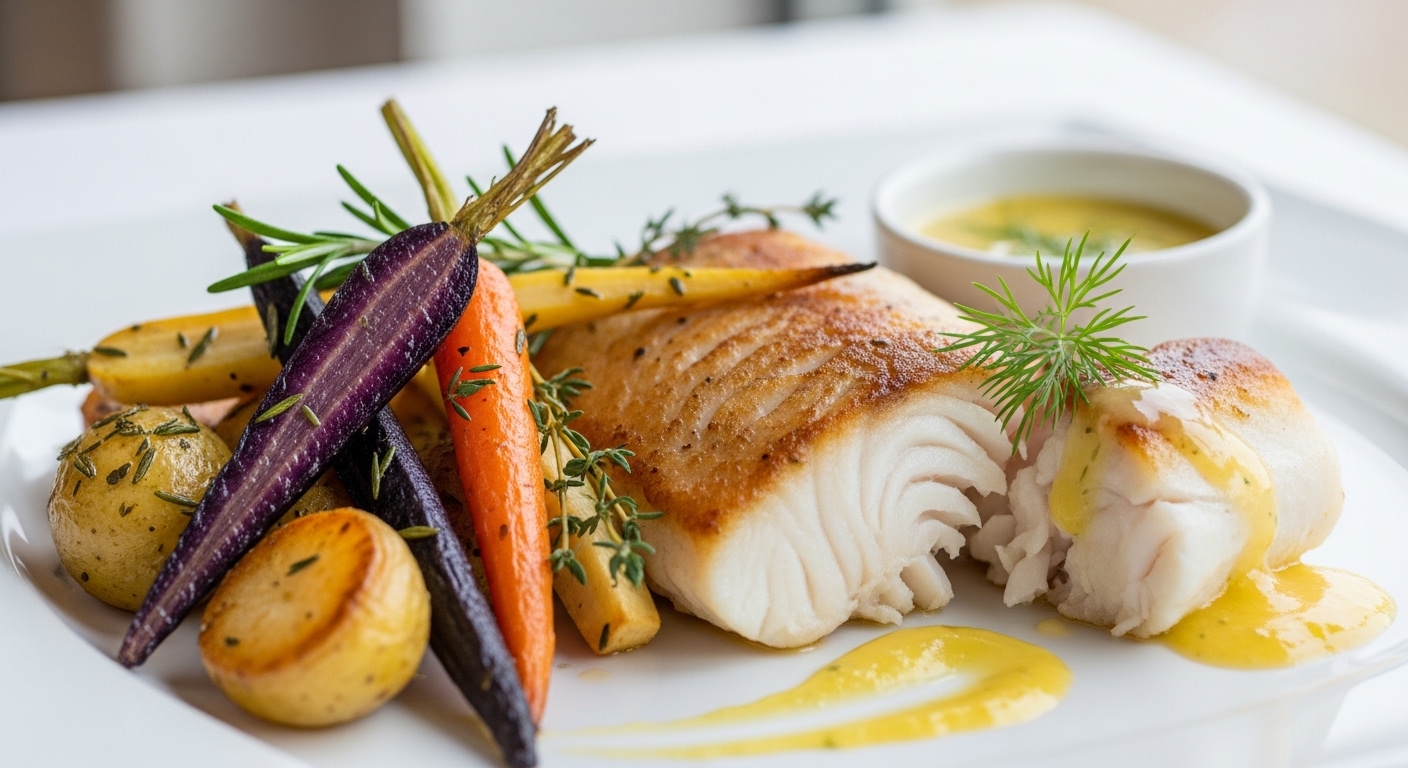
Most people have eaten this fish at some point in their lives — in a fast-food fish sandwich, a frozen fillet, or a fish stick pulled from the freezer. Yet surprisingly few know its name or story. That fish is alaskan seiti, one of the most widely consumed whitefish on the planet.
In Finnish and broader Nordic markets, it goes by the name ‘seiti.’ In North America, it is sold as Alaska pollock. Across Japan, it ends up as imitation crab. Whatever the label, the species is the same — Gadus chalcogrammus — and it is quietly feeding millions of people every single day.
So what makes this fish worth learning about? The answer comes down to three things: outstanding nutrition, remarkable culinary flexibility, and a sustainability record that puts many other seafood choices to shame. Whether you are looking for easy weeknight dinner ideas, a lighter protein source, or a traditional Finnish alaskan seiti resepti to try at home, this guide has everything you need.
We will cover where alaskan seiti comes from, what makes it nutritionally impressive, the best ways to cook it, traditional Finnish recipes that have stood the test of time, and why choosing this fish is genuinely good for the ocean. By the end, you will understand exactly why this underrated whitefish deserves a regular spot on your plate.
What Exactly Is Alaskan Seiti?
The Name Behind the Fish
The word ‘seiti’ is the term most commonly used in Nordic and Finnish seafood markets. It reflects regional naming preferences rather than a different species. In North America, the same fish is called Alaska pollock. In parts of Asia and processed food labeling globally, it may appear under other trade names — but the biology is identical.
Scientifically, alaskan seiti belongs to the cod family (Gadidae) and carries the formal name Gadus chalcogrammus. This family connection explains a great deal about why it tastes and cooks so similarly to cod and haddock — firm enough to handle heat, yet tender enough to flake apart beautifully on the fork.
What sets it apart from its more famous relatives is its milder flavor and a slightly softer texture. It does not carry that strong ‘fishy’ edge that puts some people off seafood. That neutrality is actually one of its greatest strengths, because it makes the fish incredibly adaptable in the kitchen.
Where Does It Come From?
Alaskan seiti thrives in the cold, deep waters of the North Pacific Ocean — specifically the Bering Sea and the Gulf of Alaska. These are some of the most nutrient-dense marine environments on Earth. Cold water slows the fish’s metabolism, which results in firmer flesh and a cleaner taste compared to fish raised in warmer conditions.
Almost all commercial alaskan seiti is wild-caught. It grows in massive, naturally occurring schools in open ocean waters, which makes large-scale, responsible harvesting genuinely achievable. This is not a farmed species raised in pens — it is a wild fish, caught in its natural habitat, subject to strict government oversight.
The Bering Sea fishery in particular is one of the largest single-species fisheries in the world by volume. It supplies seafood markets across North America, Europe, and Asia, making alaskan seiti one of the cornerstones of global seafood supply chains.
How to Recognize It at the Market
When raw, the flesh of alaskan seiti is bright white and slightly translucent, becoming fully opaque when cooked. The texture is smooth and firm without being rubbery. Most commercially sold fillets are boneless and skinless, making preparation quick and accessible even for people who are not confident fish cooks.
Commercially caught fish typically weigh between one and three pounds and measure between twelve and twenty inches in length. In processed form — fish sticks, fillets, surimi — you may not see the fish itself, but the labeling will usually indicate ‘Alaska pollock’ or ‘Alaskan whitefish’ as the species.
The Nutritional Profile That Makes It Worth Eating
Lean Protein in Every Bite
One of the most compelling reasons to eat alaskan seiti regularly is its protein content relative to its calorie count. A standard three-ounce cooked portion delivers approximately 17 grams of high-quality complete protein — meaning it contains all nine essential amino acids your body cannot produce on its own. That same serving contains roughly 78 calories. Very few protein sources, animal or plant-based, offer that kind of ratio.
This makes it an ideal food for people focused on muscle maintenance or repair, weight management, or simply eating more nutritiously without dramatically increasing their calorie intake. Athletes and active individuals benefit particularly from this protein density because the body uses dietary protein to rebuild tissue after exercise.
Omega-3 Fatty Acids for Heart and Brain Health
While alaskan seiti is not as omega-3-rich as fatty fish like salmon or mackerel, it still provides a meaningful amount. Each serving delivers roughly 280 to 400 milligrams of EPA and DHA — the two forms of omega-3 fatty acids most directly linked to human health benefits. These include reduced inflammation, improved cardiovascular function, and support for cognitive performance over time.
For people who do not enjoy the stronger flavors of oily fish, alaskan seiti offers a gentler path to achieving regular omega-3 intake. Eating it two or three times per week contributes meaningfully to recommended seafood consumption targets without requiring any major palate adjustment.
Key Vitamins and Minerals
Beyond protein and omega-3s, alaskan seiti delivers several micronutrients that many people struggle to get enough of through diet alone. These include:
- Vitamin B12 — critical for nerve function and the production of red blood cells. Deficiency in B12 is surprisingly common, and fish is one of the best dietary sources available.
- Selenium — a powerful antioxidant mineral that supports immune function and helps protect cells from oxidative damage.
- Phosphorus — works with calcium to support bone density and structural health, especially important as people age.
- Niacin (Vitamin B3) — plays a central role in energy metabolism, helping the body convert food into usable fuel efficiently.
Together, these nutrients make a serving of alaskan seiti far more than just a low-calorie dinner option. It is genuinely functional food that supports multiple systems in the body simultaneously.
Health Benefits That Go Beyond Basic Nutrition
Cardiovascular Support
The combination of lean fat content and omega-3 fatty acids positions alaskan seiti as a strong choice for heart health. Diets rich in lean seafood have been consistently associated with lower rates of cardiovascular disease in large epidemiological studies. The absence of saturated fat — the kind that contributes to arterial buildup — makes it preferable to many land-based protein sources for people managing cholesterol or blood pressure.
Replacing red meat or processed protein sources with alaskan seiti two or three times a week is a practical, sustainable dietary shift that most nutritionists and cardiologists would comfortably support.
Weight Management Without Sacrifice
High protein intake is one of the most reliable dietary strategies for managing body weight, because protein triggers satiety hormones more effectively than carbohydrates or fats. Alaskan seiti delivers that protein hit at a very low calorie cost, which means you feel full without consuming excess energy.
This is why the fish has found a consistent place in fitness-focused meal plans and clinical dietary guidance for weight management. It is filling, it is satisfying, and it works with virtually any cooking style — from simple baked preparations to heartier soups and stews.
A Family-Friendly Option with Low Mercury Risk
Compared to larger predatory fish like tuna, swordfish, or shark, alaskan seiti sits at the lower end of the mercury spectrum. This matters particularly for pregnant women, nursing mothers, young children, and anyone who eats fish frequently. Health agencies including the US FDA and the European Food Safety Authority have recognized Alaska pollock as a low-mercury seafood choice suitable for regular consumption across all demographics.
The mild, non-fishy flavor also means this is one of the few seafood options that children will often accept without resistance — making it a genuinely practical family protein.
How to Cook Alaskan Seiti — Methods That Actually Work
Baking: The Most Forgiving Approach
Baking is the method most home cooks should start with, because it requires almost no active attention and produces consistently good results. Preheat your oven to 180°C (350°F), place fillets in a lightly oiled baking dish, and season simply with salt, pepper, lemon slices, and a drizzle of olive oil. Bake for fifteen to twenty minutes until the fish turns opaque and flakes easily with a fork.
The critical rule with alaskan seiti is not to overcook it. Because the fish is very lean, it has no fat reserves to keep it moist after it reaches doneness. The moment it starts flaking and turns fully opaque, it is finished. Going even a few minutes beyond that point produces dry, chalky fish rather than the tender, moist result you are after.
Pan-Frying for a Golden Crust
If you want more texture and visual appeal, pan-frying is an excellent option. Season fillets with salt and pepper, then optionally coat lightly in seasoned flour or fine breadcrumbs. Heat a thin layer of oil in a non-stick pan over medium-high heat and cook the fish for three to four minutes per side. The goal is a golden, slightly crisp exterior with a fully cooked but still moist interior.
This method works especially well for serving alaskan seiti with simple sides like boiled potatoes, a cucumber salad, or buttered rye bread in the Finnish tradition.
Steaming, Soups, and Slow-Cooked Dishes
Steaming is the most nutrient-preserving method available. It requires no added fat and keeps the fish’s delicate structure completely intact. It is also one of the most forgiving methods in terms of timing — the gentle heat makes it harder to accidentally overcook. Season with ginger, soy, and sesame oil for an Asian-inspired preparation, or keep it simple with lemon and dill.
For soups and stews, alaskan seiti breaks down slightly as it cooks in the broth, which naturally thickens the liquid and infuses the entire dish with a subtle seafood depth. Simmered with root vegetables, leeks, fresh herbs, and a knob of butter, it creates a genuinely warming meal that is hard to distinguish from much more expensive fish preparations.
Alaskan Seiti Resepti: Traditional Finnish Recipes to Try at Home
Finnish cooks have been preparing alaskan seiti for generations, developing a repertoire of recipes that bring out the best in the fish’s gentle flavor and delicate texture. These are not complicated, fussy dishes — they are honest, comforting home food that relies on good ingredients and careful technique rather than elaborate steps. Here are the three most beloved alaskan seiti resepti worth trying.
Uuniseiti — Classic Finnish Oven-Baked Seiti
Uuniseiti is arguably the definitive alaskan seiti resepti. It is the dish that comes to mind first for Finnish families when seiti is mentioned, and for good reason. The preparation is simple, the result is deeply comforting, and the fish shines without being overwhelmed.
To make it, layer thinly sliced potatoes across the bottom of a buttered baking dish. Place seasoned alaskan seiti fillets on top, then pour over a mixture of cooking cream, a generous amount of fresh dill, salt, white pepper, and a small knob of butter. Bake at 200°C (392°F) for twenty-five to thirty minutes until the potatoes are tender and the cream has thickened around the fish.
The result feels like the seafood equivalent of a warm hug on a cold evening. Serve straight from the baking dish with rye bread and a wedge of lemon. This is the kind of recipe that gets passed down through families precisely because it never disappoints.
Seiti Pannulla — Pan-Fried with Crispy Breadcrumbs
Where uuniseiti is about comfort and depth, seiti pannulla is about texture and immediacy. This preparation takes no more than fifteen minutes from start to plate and produces a satisfying contrast between the golden, seasoned crust and the moist, flaky interior.
Press fillets lightly into a mixture of breadcrumbs, dried herbs, salt, and a pinch of white pepper. Pan-fry in butter and a little oil over medium-high heat for three to four minutes per side. The butter adds richness while the oil prevents burning. Serve with boiled potatoes, lingonberry jam on the side, and a simple green salad.
This is the weeknight version of alaskan seiti — fast, satisfying, and something children will eat without complaint.
Seiti Keitto — Warming Finnish Fish Soup
Finnish fish soup is one of the great comfort dishes of Nordic cuisine, and alaskan seiti makes an excellent base for it. Unlike heavier chowders, this soup relies on a clean, aromatic broth that lets the fish and vegetables carry the flavor.
Start by sautéing diced onion, leek, and carrot in butter until softened. Add diced potatoes and cover with fish or vegetable stock. Simmer until the potatoes are just tender, then add alaskan seiti fillets cut into large chunks. Cook gently for five to seven minutes — the fish will break up slightly and enrich the broth. Finish with a swirl of cooking cream, fresh dill, allspice, bay leaf, salt, and white pepper.
Serve steaming hot with rye bread and lemon wedges on the side. This is the alaskan seiti resepti to make when the weather turns cold and you want something that fills the kitchen with warmth before the first bowl is even poured.
Modern Twists Worth Trying
Beyond traditional Finnish preparations, alaskan seiti lends itself well to more globally inspired cooking. Fish tacos are a natural fit — the mild flavor accepts bold seasoning, and the flaky texture works beautifully in a warm corn tortilla with lime crema, pickled red onion, and fresh cabbage slaw. An Asian-style steamed preparation with ginger, soy sauce, sesame oil, and sliced spring onion is another effortless approach that takes no more than ten minutes.
The fish also holds up in heartier preparations like casseroles, fish pies topped with mashed potato, and classic fish and chips when you want something more indulgent. Wherever a recipe calls for a mild whitefish, alaskan seiti can step in without missing a beat.
Sustainability — Why Alaskan Seiti Is Good for the Ocean
A Fishery Built on Science, Not Guesswork
The Alaska pollock fishery — the source of all alaskan seiti — is managed by the National Oceanic and Atmospheric Administration (NOAA) in the United States under some of the strictest fisheries management rules in the world. Annual catch limits are set based on independent scientific stock assessments rather than industry lobbying. If the fish population shows any sign of stress, quotas are reduced automatically.
This science-first approach has produced a fishery that remains genuinely abundant despite decades of commercial harvesting at significant scale. The species recovers quickly relative to slower-maturing fish like cod, which makes sustainable management more achievable and the long-term outlook considerably brighter.
Marine Stewardship Council Certification
Many alaskan seiti products sold in European and international markets carry the Marine Stewardship Council (MSC) blue fish label. This certification is not awarded lightly — it requires independent auditing of fishing practices, stock levels, and environmental impact on a regular cycle. Products bearing this label have been verified as coming from a well-managed, genuinely sustainable fishery.
When shopping, look for the MSC blue label on packaging. It is the clearest, most reliable signal available to consumers that their seafood purchase is contributing to responsible ocean management rather than undermining it.
Eco-Friendly Fishing Methods
Mid-water trawling is the primary method used to harvest alaskan seiti. Unlike bottom trawling — which drags nets across the ocean floor and can destroy reef structures and benthic habitats — mid-water trawling takes place in the open water column where the fish actually swim. This significantly reduces habitat damage and bycatch of non-target species.
Environmental groups including the Monterey Bay Aquarium’s Seafood Watch program have consistently rated Alaska pollock as a ‘Best Choice’ or ‘Good Alternative’ in their consumer guides, reflecting the overall quality of its fisheries management.
Challenges to Be Aware Of
No fishery is without challenges. Climate change is shifting ocean temperatures in the North Pacific, which is beginning to affect where fish populations concentrate and how quickly they reproduce. Monitoring programs are adapting to these shifts, but the long-term trajectory will require ongoing vigilance and willingness to adjust catch limits as conditions change.
Bycatch — the unintended catch of non-target species — remains a concern, even with mid-water trawling. Fisheries management agencies track bycatch carefully and impose penalties when limits are exceeded. Continued improvement in gear technology is gradually reducing these impacts, but informed consumers should remain aware that no fishing method is perfectly clean.
Alaskan Seiti vs. Other Common Whitefish
Understanding how alaskan seiti compares to other commonly available whitefish helps you make smarter choices at the market and in the kitchen. Here is a straightforward comparison across the key factors most home cooks and health-conscious shoppers care about:
| Fish | Flavor | Fat Content | Sustainability | Price |
| Alaskan Seiti | Mild | Very Low | Excellent | Affordable |
| Cod | Mild–Medium | Low | Varies | Moderate |
| Haddock | Mild–Sweet | Low | Moderate | Moderate |
| Tilapia | Mild | Low | Varies | Affordable |
Alaskan seiti wins on sustainability and price virtually across the board. It competes favorably with cod on nutrition — similar protein content, similar micronutrient profile — while typically costing noticeably less. The milder flavor makes it a better starting point for anyone who finds cod or haddock slightly too assertive.
In practical terms, alaskan seiti can replace cod or haddock in almost any recipe without any adjustment to method or seasoning. The slightly softer texture means it benefits from more careful handling during pan-frying, but in baked dishes, soups, and casseroles, it performs identically.
Where to Buy and How to Store It Properly
Fresh vs. Frozen — Which Is Actually Better?
Here is something most people do not know: frozen alaskan seiti is often fresher than what sits on the ‘fresh fish’ counter at the supermarket. Commercial fishing vessels in the Bering Sea operate far from shore, meaning the catch is frozen at sea within hours of being caught — often before it even reaches port. By contrast, ‘fresh’ fish on display may have spent several days in transit before arriving at the retail counter.
Unless you live near a coastal area with direct-from-boat access to the day’s catch, buying frozen alaskan seiti and thawing it properly at home will frequently give you a better product. This is one of the few categories of food where frozen is the premium choice, not the compromise.
What to Look For on the Label
When buying any form of alaskan seiti, look for the following on the packaging:
- Country of origin listed as ‘USA,”Alaska,’ or ‘North Pacific’
- Species name: ‘Alaska pollock,”Walleye pollock,’ or Gadus chalcogrammus
- MSC certification logo for independently verified sustainability
- Avoid vague terms like ‘white fish’ or ‘ocean fish’ with no species or origin specified
Retailers that provide transparent labeling are generally sourcing from better-managed supply chains. Vague labeling is often a warning sign about origin or species substitution.
Storage Tips to Maintain Quality
Keeping alaskan seiti in good condition from purchase to plate is straightforward when you follow a few basic rules. For frozen fish, store in the coldest part of the freezer at or below -18°C (0°F). Well-sealed, it will maintain quality for up to six months. Once thawed, use within two days and do not refreeze — the texture degrades noticeably when fish is frozen, thawed, and frozen again.
To thaw properly, move fillets from the freezer to the refrigerator the night before you plan to cook. If you need to thaw quickly, place the sealed package under cold running water for thirty to forty-five minutes. Never thaw fish at room temperature — this creates conditions where bacteria can multiply rapidly on the outer surface while the centre remains frozen.
Conclusion
Alaskan seiti is one of those rare foods that genuinely delivers on every front. It is nutritious without being complicated. It is affordable without being low quality. It is sustainably sourced without requiring you to sacrifice flavor or convenience. And in Finnish culinary culture, it carries a warmth and familiarity that no amount of marketing can manufacture — it has simply been feeding families well for generations.
Whether you pick it up as a frozen fillet on a Tuesday evening and bake it simply with lemon and herbs, or commit to making a proper uuniseiti over the weekend with cream, dill, and thinly sliced potatoes, you will consistently get a satisfying result. That reliability is exactly what makes a great staple ingredient.
The alaskan seiti resepti covered in this guide — from the comforting Finnish classics to the more contemporary global preparations — are a starting point, not a ceiling. Once you become comfortable cooking with this fish, you will find yourself reaching for it instinctively whenever a recipe calls for a mild, versatile whitefish. In a world where making good food choices often feels unnecessarily complicated, alaskan seiti keeps things refreshingly simple: eat well, support sustainable fishing, spend less. That is a combination worth getting familiar with.
Q1. What is alaskan seiti and where does it come from?
Alaskan seiti is the Finnish and Nordic market name for Alaska pollock (Gadus chalcogrammus), a wild whitefish from the cod family. It is harvested from the cold, deep waters of the North Pacific Ocean — primarily the Bering Sea and the Gulf of Alaska. The name ‘seiti’ reflects how the fish is labeled in Scandinavian and Finnish seafood markets, though the species itself is identical to what North Americans call pollock. It is one of the most commercially important fish in the world, supporting a multibillion-dollar fishery.
Q2. Is alaskan seiti the same as Alaska pollock?
Yes, in virtually all commercial and culinary contexts, alaskan seiti and Alaska pollock refer to the same species: Gadus chalcogrammus. The word ‘seiti’ is simply the regional term used in Finnish and broader Nordic markets. Other names for the same fish include walleye pollock, Pacific pollock, and snow cod. Regardless of the label on the package, if you are buying alaskan seiti in a Finnish supermarket, you are buying the same fish sold as Alaska pollock in North America or used to make surimi (imitation crab) in Japan.
Q3. Why is it called ‘seiti’ in Finland instead of pollock?
Seafood naming varies significantly by country, language, and regional tradition. In Finnish and Scandinavian markets, the term ‘seiti’ has historically been used to describe this class of mild whitefish. Adding ‘alaskan’ specifies the origin — the North Pacific — which distinguishes it from Atlantic saithe (Pollachius virens), a related but different species also sometimes called seiti in Finnish. The combined name ‘alaskan seiti’ helps consumers understand both the species type and its geographic origin, which matters for sustainability and quality transparency.
Q4. Is alaskan seiti a wild-caught or farmed fish?
Alaskan seiti is almost exclusively wild-caught. It lives in large, naturally occurring schools in the open waters of the North Pacific, and the commercial fishery harvests it using pelagic (mid-water) trawling gear. There is no significant commercial farming of this species. This wild origin is one of the reasons it carries such a strong sustainability reputation — the fishery is managed under strict US government regulations, with annual catch limits set by NOAA based on independent scientific stock assessments.
Q5. What does alaskan seiti look like before and after cooking?
Before cooking, alaskan seiti has bright white, slightly translucent flesh that is firm but not rubbery. Raw fillets are smooth and boneless when sold commercially, typically ranging from 4 to 8 ounces each. After cooking, the flesh turns fully opaque, flakes easily with a fork, and maintains a clean white appearance with no strong odor. The texture is tender and delicate — noticeably softer than cod but still holding its shape when handled correctly. The cooked fish has a mild, subtly sweet flavor with no harsh aftertaste.
Q6. How many calories does alaskan seiti have per 100 grams?
A 100-gram raw serving of alaskan seiti contains approximately 70 to 92 calories, depending on preparation. Cooked without added fat, it contains roughly 92 calories per 100g — making it one of the lowest-calorie protein-dense foods available. It provides around 19 to 23 grams of complete protein per 100g, with less than 1 gram of fat and zero carbohydrates. This exceptional protein-to-calorie ratio makes it ideal for weight management, athletic nutrition, and calorie-controlled meal plans without any sacrifice in nutritional value.
Q7. Is alaskan seiti high in protein?
Yes, alaskan seiti is an excellent source of high-quality complete protein. A 100-gram serving provides between 19 and 23 grams of protein, and a standard 3-ounce (85g) cooked portion delivers approximately 17 grams. The protein profile includes all nine essential amino acids, which the human body cannot produce on its own. This makes it just as valuable as chicken breast or other conventional protein sources but with the added advantage of being naturally low in saturated fat, making it superior for cardiovascular health.
Q8. Does alaskan seiti contain omega-3 fatty acids?
Yes. While alaskan seiti is not as fatty as salmon or mackerel, it still delivers meaningful amounts of omega-3 fatty acids — specifically EPA (eicosapentaenoic acid) and DHA (docosahexaenoic acid). A typical serving provides between 280 and 500 milligrams of omega-3s. These fatty acids are clinically recognized for their roles in reducing cardiovascular inflammation, supporting brain function and cognitive health, and contributing to joint health. For people who prefer a milder-tasting fish but still want omega-3 benefits, alaskan seiti is a practical and consistent option.
Q9. What vitamins and minerals does alaskan seiti contain?
Alaskan seiti is rich in several critical micronutrients. Key vitamins and minerals per serving include:
- Vitamin B12 — supports healthy nerve function and red blood cell production; a single serving can provide more than 50% of the recommended daily intake
- Selenium — a powerful antioxidant that protects cells and supports immune function
- Phosphorus — works with calcium to maintain bone density and structural integrity
- Niacin (Vitamin B3) — essential for energy metabolism and converting food into fuel
- Potassium — supports heart rhythm and healthy blood pressure
- Iodine — critical for thyroid function and metabolism regulation
Together these nutrients make alaskan seiti considerably more than a basic lean protein.
Q10. Is alaskan seiti good for weight loss?
Alaskan seiti is one of the most effective foods for a weight-loss diet. Its extraordinary high-protein, low-calorie composition — roughly 92 calories and 20+ grams of protein per 100g — means it triggers strong satiety signals without creating a calorie surplus. High protein intake is one of the most evidence-backed dietary strategies for reducing appetite and preserving muscle mass during a calorie deficit. Additionally, its very low fat content (under 1g per 100g) and zero carbohydrate content make it compatible with nearly every dietary approach, from calorie-controlled eating to low-carb and high-protein plans.
Q11. Is alaskan seiti safe during pregnancy?
Yes. The US FDA classifies Alaska pollock (alaskan seiti) in its ‘Best Choices’ category for pregnant and breastfeeding women — the highest safety tier. This is because alaskan seiti has very low mercury levels, with a mean methylmercury concentration of approximately 0.031 parts per million (ppm), which is significantly below the levels found in larger predatory fish like tuna, swordfish, or shark. The FDA and EPA both recommend pregnant women eat 8 to 12 ounces (2 to 3 servings) of low-mercury seafood such as alaskan seiti per week, as the omega-3 fatty acids and nutrients it provides support fetal brain and nervous system development.
Q12. How often can you eat alaskan seiti per week?
Health authorities including the US FDA, EPA, and the Dietary Guidelines for Americans (2020–2025) recommend eating 2 to 3 servings of low-mercury seafood per week for adults — and alaskan seiti qualifies comfortably within this category. A serving is approximately 4 ounces (113g) for adults, or 2 to 3 ounces for children depending on age. Because of its low mercury content and high nutritional density, eating alaskan seiti 2 to 3 times per week is considered safe and beneficial for most healthy adults, including pregnant and breastfeeding women. There is no evidence of harm from regular weekly consumption at these levels.
Q13. What is the best way to cook alaskan seiti?
The best cooking method depends on your goal. Baking at 180–200°C (350–392°F) for 15 to 20 minutes is the most beginner-friendly approach and produces consistently moist, evenly cooked results with minimal effort. Pan-frying in a thin layer of oil or butter over medium-high heat for 3 to 4 minutes per side creates a golden, lightly crisp exterior. Steaming preserves the maximum nutrient content and works beautifully with Asian-inspired seasonings. For soups and stews, the fish holds its structure through gentle simmering and enriches the broth naturally. The single most important rule with all methods: do not overcook it. Because alaskan seiti is very lean, it dries out quickly. Once it flakes easily and turns fully opaque, remove it from heat immediately.
Q14. What is alaskan seiti resepti uunissa (oven-baked seiti)?
‘Alaskan seiti resepti uunissa’ translates to oven-baked alaskan seiti recipe, and it refers to one of the most beloved traditional Finnish preparations. The classic method involves placing thawed fillets in a buttered oven dish, seasoning generously with salt, white pepper, and fresh dill, then pouring cooking cream (ruokakerma) over the top — sometimes with thinly sliced potatoes layered underneath. The dish bakes at 200°C (392°F) for 20 to 30 minutes until the cream has reduced and the fish is fully cooked. It is typically served with boiled potatoes or rye bread and a lemon wedge on the side. This recipe has been a Finnish household staple for decades and remains one of the most searched alaskan seiti preparations online.
Q15. Can you cook alaskan seiti from frozen without thawing?
Yes, alaskan seiti can be cooked directly from frozen in the oven, which is one of its most practical advantages. When cooking from frozen, increase the standard baking time by 5 to 10 minutes and ensure the internal temperature reaches 63°C (145°F) throughout. For oven dishes like uuniseiti, frozen fillets can go directly into the baking dish with sauce and cream poured over them. However, for pan-frying, thawing first is strongly recommended — cooking frozen fillets in a pan results in uneven cooking where the outside burns before the centre reaches the correct temperature. The safest thawing method is overnight in the refrigerator, or in cold water for 30 to 60 minutes if time is short.
Q16. What herbs and seasonings go best with alaskan seiti?
Because alaskan seiti has a mild, neutral base flavor, it pairs well with a wide range of seasonings and herbs. In Finnish and Nordic cuisine, the classic pairings are fresh dill, white pepper, lemon juice, and butter — all of which enhance the fish without competing with it. For pan-frying, garlic, lemon zest, parsley, and a light dusting of paprika work extremely well. For Asian-style preparations, ginger, soy sauce, sesame oil, and spring onion are natural matches. For Mediterranean approaches, olive oil, capers, sun-dried tomatoes, and basil complement the delicate flesh beautifully. The golden rule: choose seasonings that enhance, not overpower. Alaskan seiti is a canvas — keep the brushstrokes deliberate.
Q17. How long does it take to cook alaskan seiti in the oven?
When thawed, alaskan seiti fillets typically bake in 15 to 20 minutes at 180 to 200°C (350 to 392°F). Thicker fillets or larger portions may need 20 to 25 minutes. For the classic Finnish uuniseiti preparation with cream and potatoes, the total baking time is typically 25 to 35 minutes. If cooking from frozen, add approximately 8 to 10 minutes to these times. The most reliable indicator of doneness is not time but texture: the fish should flake easily when pressed with a fork and have turned from translucent to fully opaque white throughout. Using an instant-read thermometer to verify an internal temperature of 63°C (145°F) removes any uncertainty.
Q18. What is the difference between seiti and alaskan seiti in Finnish cooking?
In Finnish culinary usage, ‘seiti’ traditionally refers to Atlantic saithe (Pollachius virens), a related whitefish caught in the North Atlantic — commonly from Norwegian waters. ‘Alaskan seiti’ specifically refers to Alaska pollock (Gadus chalcogrammus) from the North Pacific. Both belong to the cod family and share similar cooking properties, but they are distinct species. In practice, most frozen ‘seiti’ sold in Finnish supermarkets today — including popular brands like Findus — is alaskan seiti (Alaska pollock), and Finnish recipes labeled ‘uuniseiti’ work equally well with both. The flavor and texture difference is minor and unlikely to affect recipe outcomes.
Q19. Is alaskan seiti sustainable and environmentally friendly?
Yes — the Alaska pollock fishery that supplies alaskan seiti is consistently ranked among the most sustainably managed large-scale fisheries in the world. NOAA (the US National Oceanic and Atmospheric Administration) oversees the fishery with science-based annual catch quotas derived from independent stock assessments. The Bering Sea pollock stock is not overfished and is not currently subject to overfishing. Many alaskan seiti products carry Marine Stewardship Council (MSC) certification — independently audited verification of responsible fishing practices. Environmental guides including the Monterey Bay Aquarium’s Seafood Watch program consistently rate Alaska pollock as a ‘Best Choice’ or ‘Good Alternative’ for consumers.
Q20. Does alaskan seiti have MSC certification?
Many, though not all, alaskan seiti products carry MSC (Marine Stewardship Council) certification. The MSC blue fish label on packaging indicates that the product has been independently audited and verified as coming from a well-managed, sustainable fishery meeting global environmental standards. The Alaska pollock fishery in the Bering Sea — which supplies most of the world’s alaskan seiti — is one of the largest MSC-certified fisheries globally. When shopping, look for the distinctive blue MSC logo on the packaging as the clearest consumer-level signal of verified sustainability. Products without it may still come from responsibly managed sources, but certification provides independent confirmation.
Q21. How much alaskan seiti is caught globally each year?
According to NOAA data, commercial landings of Alaska pollock from the Bering Sea and Gulf of Alaska totaled over 3 billion pounds (approximately 1.4 million metric tons) in 2023, valued at roughly $525 million USD at the dockside level. This makes it one of the largest single-species fisheries in the world by both volume and value. The MSC has described the Alaska pollock fishery as the largest in North America. This scale of production is why alaskan seiti appears in so many processed foods globally — from fish sticks and fast-food sandwiches to surimi (imitation crab) and frozen fillets — at consistently affordable consumer prices.
Q22. What fishing method is used to catch alaskan seiti?
The primary method used to harvest alaskan seiti is pelagic (mid-water) trawling. A large cone-shaped net is towed through the water column at depths where the fish naturally school — not along the ocean floor. This approach significantly reduces habitat damage compared to bottom trawling, which can destroy benthic reef structures. NOAA reports that less than 1% of the total catch in the Alaska pollock fishery consists of non-target species (bycatch), which is exceptionally low for a large-scale commercial fishery. Trained independent observers monitor all Bering Sea pollock vessels, and salmon bycatch in particular is carefully regulated and cannot be landed or sold.
Q23. Is fresh or frozen alaskan seiti better to buy?
For most consumers, frozen alaskan seiti is often the superior choice — and this is not a compromise. Commercial fishing vessels in the Bering Sea operate far from shore and freeze their catch at sea within hours of harvest, locking in freshness at peak quality. ‘Fresh’ fish at the supermarket counter may have been in transit for several days before display, resulting in quality that is sometimes lower than well-frozen product. The key with frozen alaskan seiti is proper thawing: always thaw in the refrigerator overnight, or in cold (never warm) water for 30 to 60 minutes. Never refreeze previously thawed fish — the texture will degrade noticeably. If buying frozen, check for a tight seal and no visible ice crystals inside the packaging, which indicate prior temperature abuse.
Q24. How does alaskan seiti compare to cod, haddock, and tilapia?
Alaskan seiti is closely related to cod and haddock (all belong to the Gadidae family) and shares their white, flaky flesh and mild flavor. Compared to cod, alaskan seiti has a slightly milder taste and softer texture, with lower fat content and generally lower mercury levels. Compared to haddock, the differences are similarly minor — alaskan seiti tends to be more affordable and more consistently available in frozen form. Compared to tilapia, alaskan seiti provides a cleaner flavor and the advantage of being wild-caught from a well-regulated fishery, as opposed to tilapia which is predominantly farmed. From a sustainability perspective, alaskan seiti holds an advantage over most commercial cod (which is subject to overfishing pressure in some regions) and most tilapia (where farming practices vary widely). In terms of price, alaskan seiti is among the most affordable quality whitefish available globally.