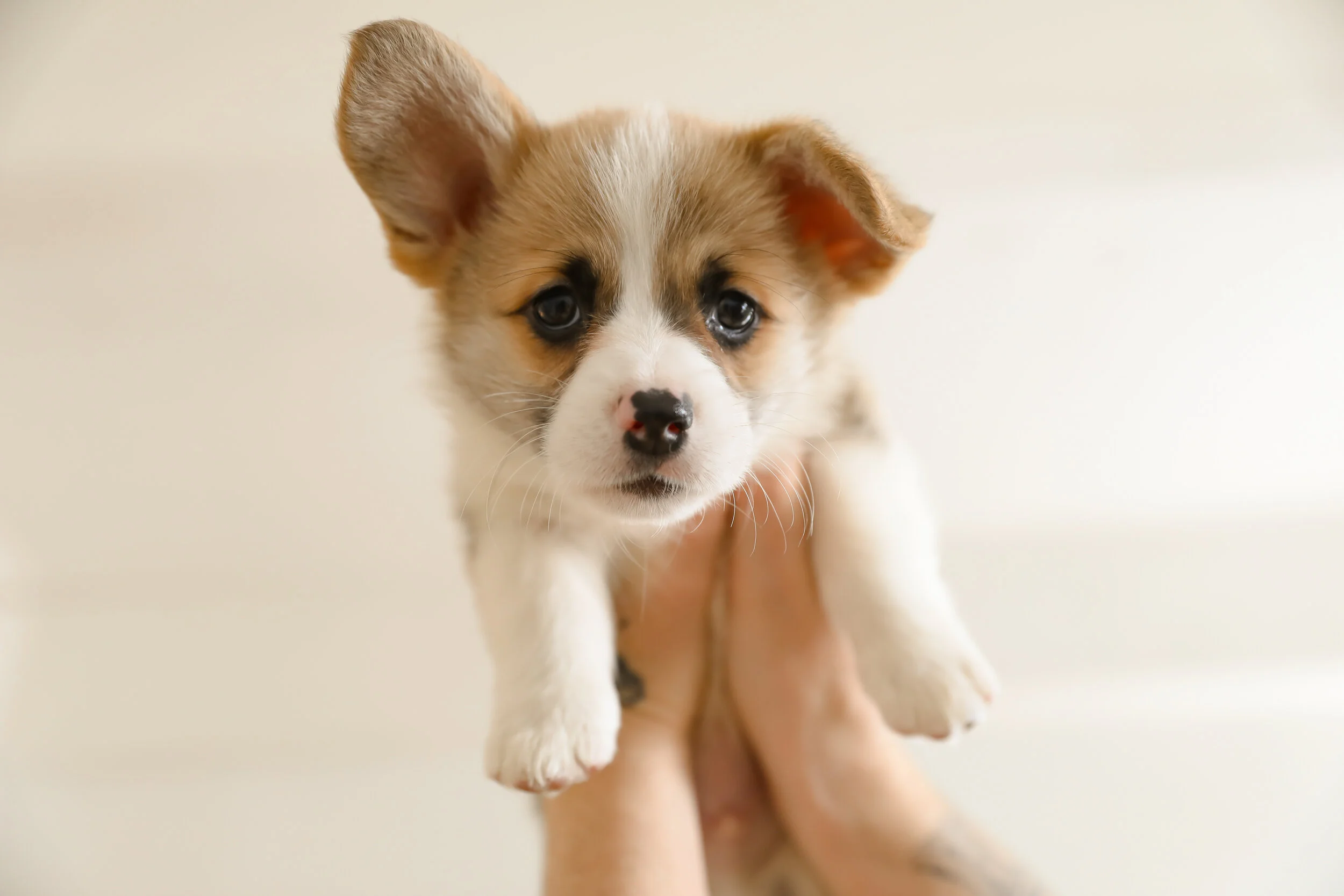
You walk into a pet store for the first time with a new puppy at home. You head straight to the grooming aisle. And then it hits you — there are dozens of bottles staring back at you, each one claiming to be the best, the gentlest, the most natural. You grab one that says “tearless formula” and hope for the best.
Sound familiar? Most new dog parents have been there.
Here is the truth: not every puppy shampoo is created equal. Some are gentle enough to clean a newborn pup without upsetting their delicate skin. Others are loaded with chemicals that can strip natural oils, trigger allergic reactions, or — in the case of flea formulas — actually be toxic when used on a young puppy. The label alone is not enough to guide you.
This guide is here to change that. Whether you are looking for a simple everyday wash, a formula for dry or sensitive skin, or the safest flea shampoo for puppies, we will walk you through everything you need to know — from the science of puppy skin to reading ingredient labels like a pro. By the end, choosing the right puppy shampoo will feel less like guesswork and more like second nature.
Why Puppy Skin Is Different from Adult Dog Skin
Before you pick any product, it helps to understand what you are actually working with. Puppy skin is not just “small dog skin.” It is biologically different in several important ways — and those differences are exactly why a dedicated puppy shampoo matters.
Puppies are born with a thinner outer skin barrier, lower natural oil production, and a microbiome that is still developing. That microbiome — the ecosystem of good bacteria living on the skin — helps protect against infections, regulate moisture, and maintain a healthy coat. Any shampoo that disrupts it can cause problems that take weeks to resolve.
Why adult and human shampoos can cause harm
Adult dog shampoos are formulated for mature, more resilient skin. Using them on a puppy is a bit like scrubbing a newborn baby with dish soap — the cleansing agents are simply too harsh. They strip away oils the pup has not fully developed yet, leaving skin dry, flaky, and prone to itching.
Human shampoos are even worse. They are formulated for a skin pH of around 5.5, while dogs need a pH closer to 6.5 to 7.5. Using a human shampoo on your puppy throws off their skin chemistry almost immediately, and some human products contain essential oils — like tea tree or eucalyptus — that are genuinely toxic to dogs.
Common skin issues in the first year
In the first twelve months, puppies are especially prone to a handful of grooming-related issues:
- Dry, flaky skin, often caused by over-bathing or harsh surfactants
- Mild dandruff that appears during growth spurts or seasonal changes
- Sensitivity and itching, particularly in puppies with thinner coats
- Redness or irritation after bathing with the wrong formula
A proper puppy shampoo does not just treat these issues — it prevents them from showing up in the first place.
What to Look for in a Good Puppy Shampoo: Ingredients That Actually Matter
Ingredient lists can feel overwhelming. But once you know what you are looking for — and what to avoid — reading a bottle becomes much less intimidating. Veterinarians consistently point to a small list of ingredients that are genuinely safe and effective for young puppies, and a longer list of things that should not be anywhere near a developing coat.
Vet-recommended ingredients to look for
Colloidal oatmeal is the ingredient you will see veterinarians recommend more than almost any other in puppy grooming products. It is finely ground oatmeal suspended in water, and its anti-inflammatory properties have been well-studied. It reduces itching, soothes reactive skin, and forms a light protective layer without disrupting the skin barrier. If you only look for one ingredient, make it this one.
Aloe vera is another solid choice. In its pure form it has genuine anti-inflammatory properties, helps maintain skin hydration, and is gentle enough for the most sensitive puppies. One thing to keep in mind: aloe vera in a shampoo is sometimes accompanied by fragrance or preservatives that offset its benefits, so the full ingredient list still matters.
Glycerin is a humectant — it draws moisture into the skin and holds it there. For puppies prone to dryness, it actively supports the skin barrier rather than weakening it. It is commonly found in moisturizing puppy shampoos and considered safe at concentrations used in most pet products.
On the surfactant side, look for gentler cleansing agents like sodium cocoyl isethionate or sodium lauryl sulfoacetate. These clean effectively without the stripping action of harsher alternatives. Some newer formulas also incorporate plant-based botanicals like centella asiatica and green tea for added soothing support.
Ingredients to avoid in any puppy shampoo
Tea tree oil is the single biggest red flag. It contains terpenes that are toxic to dogs at concentrations as low as 0.1 to 1 percent. Puppies — with thinner, more permeable skin and a tendency to lick everything — are especially vulnerable. Symptoms of tea tree oil toxicity include weakness, tremors, and vomiting. Avoid it completely.
Eucalyptus, pennyroyal, and clove oil are similarly problematic. The fact that these are “natural” ingredients does not make them safe. Natural simply means they come from a plant — it says nothing about safety.
Sodium Lauryl Sulfate (SLS) is a powerful cleansing agent found in many everyday products. It is effective, but too harsh for puppy skin. Sodium Laureth Sulfate, often marketed as a gentler alternative derived from coconut oil, carries its own concerns — research has found it can be contaminated with 1,4-dioxane and ethylene oxide, both linked to health complications.
PEG compounds share similar contamination concerns. Parabens, used as preservatives, have generated enough concern in veterinary circles that most quality puppy shampoo brands have already moved away from them. Artificial fragrances and synthetic colorants round out the avoid list — fragrances can mask hundreds of undisclosed chemicals including phthalates, and artificial dyes derived from petroleum have been linked to organ damage and allergic reactions.
A useful rule of thumb: if the label says “fragrance” without specifying what that fragrance actually is, put the bottle back.
How to Choose the Best Puppy Shampoo for Your Dog’s Specific Needs
There is no single best puppy shampoo for every dog. A golden retriever puppy with thick fur and dry skin has different needs than a short-haired chihuahua with a sensitive stomach and reactive skin. Matching the formula to your puppy’s actual situation is the key.
For dry or flaky skin
Puppies with dry or flaky skin — especially during seasonal changes or in low-humidity homes — need a formula that prioritizes moisture. Look for shampoos that combine colloidal oatmeal with glycerin or aloe vera. These work together to clean gently while replenishing moisture rather than stripping it. Bathing frequency matters here too. Even the best moisturizing formula will not help much if you are bathing your puppy every week. Keep baths to every four to six weeks, and spot-clean between sessions with a damp cloth or a vet-approved puppy wipe.
For sensitive or allergy-prone puppies
If your puppy seems to react to almost everything — itchy after baths, red patches, excessive scratching — choose a fragrance-free, paraben-free, hypoallergenic formula. These are the simplest ingredient lists in the puppy shampoo market, and that simplicity is actually the point. Fewer ingredients means fewer potential triggers. Before committing to a full bath, do a patch test: apply a small amount of the shampoo behind your puppy’s ear or on their belly, wait 24 hours, and check for any redness or irritation before proceeding.
For thick double coats versus short-haired breeds
Dogs with thick double coats, like huskies or golden retrievers, benefit from foaming or higher-lather shampoos that can work down through dense fur to reach the skin. Lighter-bodied formulas work fine for short-haired breeds like beagles or boxers, since there is less coat to penetrate. In both cases, rinsing thoroughly is the most important step — residue sitting at skin level is a common cause of post-bath itching regardless of how good the formula is.
When reading labels, look for the phrase “pH balanced” — it signals the formula has been specifically formulated to match a dog’s skin pH range, which protects their natural oils during bathing.
Flea and Tick Shampoo for Puppies: What You Need to Know Before Buying
Flea and tick shampoo for puppies is one of those topics where getting the details wrong has real consequences. Unlike regular grooming shampoos, flea formulas contain active pesticide ingredients — and young puppies with developing immune systems are far more vulnerable to those chemicals than adult dogs.
Is flea shampoo safe for puppies? Age and weight matter
Most flea shampoos on the market are not safe for puppies younger than 12 weeks old. Some formulas designed specifically as flea shampoo for puppies allow use from 8 weeks, but these are the exception, not the rule. Age and weight restrictions are on the label for a reason — always read them before purchasing, and when in doubt, call your vet.
If your puppy is younger than the minimum age on the label and you are dealing with a flea problem, skip the chemical shampoo altogether. A warm bath with gentle dish soap and a fine-toothed flea comb is a safer temporary measure while you consult your vet on an appropriate treatment plan.
How flea shampoo for puppies works
Flea shampoo works by killing adult fleas on contact during the bath. It is fast-acting and effective for an existing infestation, but it does not provide lasting protection. The active ingredients are washed away with the rinse water, which means there is nothing left behind to prevent re-infestation once the bath is over. This is why vets consistently recommend pairing flea shampoo use with year-round preventive care — oral medications, topical treatments, or approved collars — rather than relying on shampoo alone.
Active ingredients in flea and tick shampoo for puppies
Pyrethrins are the most commonly used active ingredient in flea shampoos for dogs. They are derived from chrysanthemum flowers and considered safe for dogs when used as directed. However, pyrethrins are extremely dangerous to cats — even inhaling fumes from a recently bathed dog can be fatal for a cat in the same household. If you have cats, look specifically for pyrethrin-free formulas or plant-based alternatives.
Plant-based flea shampoo for puppies — formulas using rosemary, peppermint, or cedar oil — are a popular alternative for natural-leaning households. They smell much better and carry no pyrethrin risk. The trade-off is a shorter protection window, so plan to reapply or use additional preventive measures sooner.
Some flea and tick shampoo for puppies also includes insect growth regulators, which target flea eggs and larvae in addition to adult fleas. These are more comprehensive but still not substitutes for year-round flea prevention.
Important safety rules for flea shampoo use
- Never use a flea shampoo that does not say “safe for puppies” on the label
- Never stack treatments — using a flea shampoo on the same day as a topical flea spot-on or collar risks a dangerous overdose
- Allow 7 to 10 days between flea baths unless your vet says otherwise
- Rinse thoroughly — flea shampoo residue on skin can cause irritation or worse
- Always consult your vet before starting any flea treatment if your puppy is very young, underweight, or on other medications
How to Bathe Your Puppy the Right Way
When to give your puppy their first bath
Most veterinarians agree on a straightforward rule: wait until your puppy is at least six to eight weeks old before using any shampoo. Before that age, puppies cannot reliably regulate their own body temperature, which makes a wet bath risky regardless of how gentle the product is. Between eight weeks and three months, you can begin using a puppy-specific shampoo sparingly — generally once every four to six weeks unless your vet says otherwise.
How often should you use puppy shampoo
Every four to six weeks is the standard recommendation for most puppies. Over-bathing — even with the gentlest formula — strips natural oils from the developing skin barrier and can cause dryness and itching. If your puppy gets into something messy between baths, use a warm damp washcloth or a vet-approved puppy wipe for spot cleaning. Save the full bath for when it is genuinely needed.
Step-by-step bath routine
Brush your puppy first, even if they have a short coat. This removes loose fur, tangles, and any debris sitting on the surface. Then wet the coat thoroughly with warm — not hot — water before applying any shampoo. Lukewarm water opens the coat and makes it far easier to lather properly.
Apply the puppy shampoo from neck to tail, working it gently into the coat with your fingers. Pay special attention to the paws, belly, and tail base — these are the areas where dirt and bacteria tend to accumulate most. Avoid getting any product in the eyes or ears.
Rinsing is the step most people rush, and it is actually the most important. Leftover shampoo sitting against the skin is one of the most common causes of post-bath itching and irritation. Rinse until the water runs completely clear, then rinse again for good measure.
Dry your puppy completely after the bath. Puppies cannot regulate body temperature the way adult dogs can, so a damp coat after a bath is a cold and potentially uncomfortable situation. Use a warm towel and, if your pup will tolerate it, a low-heat dryer setting held at a safe distance.
Finally, make bath time a positive experience. Treats, calm energy, and patience go a long way toward conditioning your puppy to accept grooming willingly. The habits you build in the first few months often last a lifetime.
Common Puppy Shampoo Mistakes and How to Avoid Them
Even well-intentioned dog parents make these mistakes. Knowing them in advance saves your puppy from unnecessary discomfort.
- Using adult dog shampoo or human shampoo — both are formulated for different skin chemistry and will strip a puppy’s natural oils
- Bathing too frequently — more than once every four weeks with most formulas disrupts the developing skin microbiome
- Trusting “natural” labels without reading the ingredient list — essential oils marketed as natural can still be toxic to dogs
- Skipping or rushing the rinse — residue buildup is a primary cause of post-bath skin irritation
- Using a flea shampoo below the minimum age listed on the label — the risk of toxicity is real and serious
- Using a cat flea shampoo on a puppy or vice versa — species-specific formulas are different for a reason
- Layering flea treatments on the same day — combining shampoo, collar, and topical on the same day can overdose your puppy
- Not doing a patch test before a new formula — a quick 24-hour test prevents a full-body reaction
How to Read a Puppy Shampoo Label Like a Pro
You should not need a chemistry degree to shop safely for your puppy. Once you know the key signals, label reading becomes a quick two-minute check rather than a guessing game.
Green flags — things worth seeing on the label
- pH balanced — confirms the formula is designed for canine skin chemistry
- Tearless formula — gentle enough to avoid stinging eyes
- Paraben-free and sulfate-free — removes two common irritant categories
- Specific botanical ingredients like colloidal oatmeal, aloe vera, or glycerin
- USDA certified organic — provides the highest level of ingredient transparency
- Cruelty-free certification — often a marker of better overall brand standards
Red flags — things worth skipping
- “Fragrance” or “parfum” listed without specification — can mask hundreds of undisclosed chemicals
- Any PEG compound — contamination risk with known carcinogens
- “Proprietary blend” as the only ingredient description — masks what is actually in the bottle
- Artificial colorants — derived from petroleum, linked to allergic reactions
- Tea tree oil, eucalyptus, pennyroyal, or clove oil — toxic to dogs
One more tip: if you are unsure about any ingredient, look it up in a pet shampoo ingredient database before buying. It takes under a minute and can save your puppy from days of discomfort.
The Bottom Line on Picking the Right Puppy Shampoo
Here is what it really comes down to: good puppy shampoo does its job quietly. It cleans without disrupting. It protects without overcomplicating. And it leaves your puppy feeling comfortable rather than itchy, dry, or irritated.
You do not need to chase the most expensive bottle or the most impressive-sounding formula. You just need to understand what your specific puppy needs — their coat type, their skin sensitivity, their age — and match a product to those actual requirements rather than to marketing language.
Stick to the three core principles that veterinarians recommend: respect your puppy’s developing skin, choose ingredients with a proven track record of gentleness, and avoid the small but important list of chemicals that do not belong anywhere near a young dog’s coat. If you are ever in doubt — about an ingredient, a flea treatment, or a reaction — your vet is always the best next step. Choosing the right puppy shampoo is one of the simplest things you can do to support your dog’s long-term skin and coat health. You already know what to look for. Now go give that pup a bath they actually enjoy.
Q1 What is puppy shampoo and why is it different from regular dog shampoo?
Puppy shampoo is a grooming formula specifically made for the delicate skin and developing coat of young dogs. Unlike adult dog shampoos, it uses milder cleansing agents, a gentler pH balance, and avoids harsh preservatives and fragrances that could irritate a puppy’s thin, sensitive skin. A puppy’s skin barrier is still maturing, with lower natural oil production and a developing microbiome — both of which can be disrupted by adult formulas. The goal of a proper puppy shampoo is to clean effectively without stripping those fragile natural oils or causing dryness, redness, or irritation.
Q2 At what age can you start using puppy shampoo?
Most veterinarians recommend waiting until a puppy is at least 6 to 8 weeks old before using any shampoo. Before that age, puppies cannot reliably regulate their own body temperature, which makes a wet bath genuinely risky. Between 8 weeks and 3 months, a puppy-specific shampoo can be introduced sparingly — typically once every 4 to 6 weeks. Always check the minimum age listed on the product label, as some formulas are designed for puppies 8 weeks and older while others specify 12 weeks. When in doubt, your vet is the best source for age-specific guidance.
Q3 Is it safe to use human shampoo on a puppy?
No. Veterinary dermatologists consistently advise against using human shampoo on puppies or dogs. Human shampoo is formulated for a skin pH of around 5.5, while a dog’s skin sits closer to a pH of 6.5 to 7.5. Using a human product disrupts that natural pH balance, stripping the skin’s protective acid mantle and leaving a puppy’s coat dry, itchy, and vulnerable to bacterial infections. Some human shampoos also contain essential oils — like tea tree, lavender, or peppermint — that are toxic to dogs at concentrations used in human products. In a genuine emergency, baby shampoo from a trusted brand can be used once, but it is not a long-term substitute.
Q4 Can you use adult dog shampoo on a puppy?
It is generally not recommended. Adult dog shampoos contain stronger detergents and surfactants designed for mature, more resilient skin. A puppy’s skin has a thinner protective barrier and lower natural oil production, making it far more susceptible to dryness and irritation when exposed to adult formulas. If a dedicated puppy shampoo is not available, a high-quality, fragrance-free adult shampoo with gentle, natural ingredients can be used as a temporary measure — but medicated shampoos, flea and tick shampoos, and any product with strong fragrances or sulfates should be avoided. Most puppies can transition to an adult shampoo around 6 to 12 months of age, depending on their individual skin health.
Q5 What ingredients should you avoid in puppy shampoo?
There is a clear list of ingredients that veterinarians consistently recommend avoiding in any puppy shampoo:
- Tea tree oil — toxic to dogs at concentrations as low as 0.1–1%; causes weakness, tremors, and vomiting
- Sodium Lauryl Sulfate (SLS) and Sodium Laureth Sulfate — harsh stripping agents that disrupt the developing skin barrier
- PEG compounds — risk of contamination with 1,4-dioxane and ethylene oxide, both linked to serious health issues
- Parabens — preservatives with growing safety concerns in veterinary use
- Artificial fragrances — can mask hundreds of undisclosed chemical compounds including phthalates
- Artificial colorants — synthesized from petroleum; linked to allergic reactions and organ damage
- Eucalyptus, pennyroyal, and clove oil — toxic to dogs regardless of how ‘natural’ they sound
The safest puppy shampoos have short, transparent ingredient lists with clearly identified botanicals and no synthetic fragrance.
Q6 What are the best ingredients to look for in a puppy shampoo?
Veterinarians point to a consistent set of puppy-safe ingredients worth seeking out:
- Colloidal oatmeal — the most consistently recommended ingredient for puppy skin; anti-inflammatory, reduces itching, supports the skin barrier
- Aloe vera — genuine anti-inflammatory properties, maintains skin hydration, gentle enough for the most sensitive puppies
- Glycerin — a humectant that draws moisture into the skin and helps prevent dryness
- Gentle surfactants — sodium cocoyl isethionate and sodium lauryl sulfoacetate clean without harsh stripping
- Centella asiatica and green tea — plant-based botanicals with soothing, skin-calming properties
A pH-balanced label and a fragrance-free or single-scent formula are also strong positive indicators when shopping.
Q7 How often should you use puppy shampoo?
Every 4 to 6 weeks is the standard recommendation for most puppies. Bathing more frequently than this — even with the most gentle puppy shampoo — can strip natural oils from the developing skin and trigger dryness, flaking, or chronic itching. If your puppy gets dirty or smelly between scheduled baths, spot-clean with a warm damp cloth or a vet-approved puppy wipe rather than a full bath. Puppies with skin conditions, allergies, or very active outdoor lifestyles may need slightly different bathing schedules, which a vet can help determine.
Q8 What is the correct way to bathe a puppy with shampoo?
The correct technique matters as much as the formula itself. Here is the recommended step-by-step approach:
- Brush the puppy first to remove loose fur, tangles, and surface dirt
- Wet the coat thoroughly with warm (not hot) water before applying any shampoo
- Apply puppy shampoo from neck to tail, working it gently into the coat with your fingers
- Pay special attention to paws, belly, and the base of the tail — common dirt-accumulation zones
- Avoid getting shampoo in the eyes or ears; use a damp washcloth on the face instead
- Leave the lather on for 2 to 5 minutes to allow the ingredients to work
- Rinse thoroughly until the water runs completely clear — then rinse again
- Dry the puppy completely; puppies cannot regulate body temperature well when damp
Treats and calm handling throughout the process help puppies associate bath time with positive experiences.
Q9 Why does my puppy scratch after a bath even with puppy shampoo?
Post-bath scratching is one of the most common concerns new puppy owners report, and it usually comes down to one of a few causes. The most frequent culprit is incomplete rinsing — shampoo residue sitting against the skin is a primary irritant even when the formula itself is gentle. Other common causes include using a formula that contains fragrances or preservatives the puppy’s skin reacts to, bathing too frequently and disrupting the natural oil balance, or water that is too hot. If scratching persists after switching to a fragrance-free, thoroughly rinsed formula, consult a vet to rule out underlying allergies, mites, or a skin condition that requires medicated treatment.
Q10 Should you leave puppy shampoo on for a few minutes before rinsing?
Yes — allowing the shampoo to sit for 2 to 5 minutes before rinsing gives the cleansing ingredients time to penetrate the coat and reach the skin. For medicated or therapeutic shampoos targeting specific skin conditions, vets often recommend a longer contact time of 5 to 10 minutes. For a standard gentle puppy shampoo, the 2 to 5 minute window is appropriate. After the contact time, rinse thoroughly with warm water until no product remains — incomplete rinsing is far more damaging than a slightly shorter contact time.
Q11 What age can you use flea shampoo on a puppy?
Most flea shampoos are labeled safe for puppies 12 weeks of age or older. A smaller number of specially formulated flea shampoos for puppies allow use from 8 weeks, but these are the exception. The age restriction is not arbitrary — young puppies have developing nervous systems and more permeable skin that absorbs chemicals at a higher rate than adult dogs, making flea-treatment ingredients genuinely risky below the minimum age. Always read the product label before purchasing and never use a flea shampoo on a puppy younger than the stated minimum age. If fleas are present in a very young puppy, contact your vet for safe treatment options.
Q12 Does flea shampoo for puppies actually work?
Yes — flea shampoo for puppies kills adult fleas on contact during the bath. It is effective for clearing an existing infestation quickly. However, flea shampoo does not provide residual protection after rinsing; the active ingredients wash away with the water, leaving no lasting barrier against re-infestation. This is why veterinarians consistently recommend using flea shampoo as a reactive treatment, not as the sole method of flea control. It should be combined with year-round preventive measures — appropriate monthly spot-ons, oral preventives, or approved collars — alongside treatment of the home and yard to address the other 95% of the flea population living off the pet.
Q13 Is flea and tick shampoo safe for puppies?
Flea and tick shampoo can be safe for puppies when used according to label instructions, including minimum age and weight guidelines. The safety depends heavily on the specific formula and the puppy’s developmental stage. Most conventional flea shampoos for puppies contain pyrethrins — effective against fleas and considered safe for dogs when used as directed, but extremely dangerous to cats even through indirect exposure. Plant-based alternatives using rosemary, peppermint, or cedar oil are available for households with cats or owners preferring chemical-free options. Never use a flea shampoo not specifically labeled for puppies, and never stack treatments (shampoo plus collar plus topical) on the same day, as this risks a toxic overdose.
Q14 Can you use flea shampoo on a 8-week-old puppy?
Only if the specific product label states it is safe for puppies 8 weeks and older. Most standard flea shampoos are not approved below 12 weeks. A handful of formulas are specifically designed for younger puppies and indicate 8-week suitability on the label, but these are not the norm. If your 8-week-old puppy has fleas and no labeled product is available, a gentle bath with mild dish soap and a fine-toothed flea comb is a safer immediate measure while you consult your vet. Your vet can recommend an age-appropriate treatment based on your puppy’s specific weight and health status.
Q15 How often can you use flea shampoo on a puppy?
Most flea shampoos allow a repeat application after 7 to 10 days if needed — check the specific product label for its recommended interval. However, using flea shampoo more frequently than labeled is not advisable. Over-bathing with a pesticide-containing formula can dry out the coat, irritate the skin, and expose a young puppy’s developing system to repeated chemical contact. For ongoing flea protection, flea shampoo alone is not sufficient — it provides immediate kill on contact but no lasting residual protection. Work with your vet to establish a broader, year-round flea prevention plan rather than relying solely on repeat shampoo treatments.
Q16 What is the best puppy shampoo for dry, itchy skin?
For puppies with dry or itchy skin, the best puppy shampoo formulas center on colloidal oatmeal combined with glycerin or aloe vera. Colloidal oatmeal is the gold standard for skin-soothing in veterinary grooming — it forms a light protective layer over the skin while actively reducing inflammation and itch. Glycerin reinforces moisture retention by drawing water into the skin barrier. Look specifically for labels that say ‘moisturizing,”oatmeal-based,”for dry skin,’ or ‘hypoallergenic,’ and prioritize fragrance-free options to reduce the chance of additional irritation. Reducing bathing frequency — down to once every 6 weeks — can also help, as over-bathing is itself a common driver of dry skin in puppies.
Q17 Can you use puppy shampoo on a puppy with dandruff?
Yes, and in many cases the right puppy shampoo is the most appropriate first step for mild puppy dandruff. Dandruff in puppies is often linked to dryness, growth-related skin changes, or over-bathing with harsh products. A moisturizing, oatmeal-based puppy shampoo can help restore the skin’s natural balance and reduce visible flaking without the need for medicated treatment. The key is avoiding shampoos with drying ingredients — sulfates, artificial fragrances, and alcohol. If dandruff is severe, accompanied by redness, odor, or excessive scratching, or does not improve after a few weeks with a gentle formula, consult a vet to rule out seborrhea, fungal infection, or a parasitic cause.
Q18 Is waterless puppy shampoo safe for young puppies?
Waterless or no-rinse puppy shampoo can be a safe option for young puppies when the formula is specifically designed for puppies, fragrance-free, and made with natural, gentle ingredients. Veterinarians sometimes recommend waterless formulas for spot cleaning between full baths, for puppies too young or too small for a full bath, or for nervous puppies who struggle with water. However, waterless shampoos are not a substitute for proper rinsing baths — they are primarily deodorizing and surface-cleaning products. For regular grooming, a full bath with a quality puppy shampoo and thorough rinsing remains the most effective approach. Check the label to confirm the product is suitable for the puppy’s age and weight.
Q19 Does puppy shampoo help with puppy smell?
Yes — a quality puppy shampoo effectively removes the dirt, bacteria, and rancid fatty acids on the coat that contribute to ‘doggy smell.’ The mechanical action of shampooing physically removes odor-causing debris, while the cleansing agents break down oils and skin buildup. That said, the freshness from a bath typically lasts 1 to 3 weeks before natural skin oils and environmental exposure bring back the smell. Over-bathing to fight odor can actually worsen the situation — stripping oils causes the skin to overproduce them, often creating a stronger smell. For odor management between baths, waterless puppy shampoo or a dry deodorizing spray designed for puppies is a practical alternative.
Q20 What does ‘tearless’ mean on a puppy shampoo label?
A tearless puppy shampoo is formulated to minimize or eliminate stinging and irritation if the product makes accidental contact with a puppy’s eyes during bathing. It uses milder surfactants and avoids compounds that cause discomfort on mucous membranes. Tearless does not mean the shampoo is less effective at cleaning — it simply means the formula has been calibrated for the reality of bathing a wriggly puppy who may shake their head or dip toward the water. Tearless formulas are recommended for any puppy, but are particularly useful for brachycephalic breeds (those with flat faces, like bulldogs or pugs) or puppies with prominent eyes where shampoo is more likely to drift toward the eye area.
Q21 When should you switch from puppy shampoo to adult dog shampoo?
Most veterinarians suggest transitioning from puppy shampoo to an adult dog shampoo around 6 to 12 months of age, as a dog’s skin barrier becomes more resilient and their natural oil production matures. That said, there is no strict deadline — if a dog continues to have sensitive skin or a history of skin reactivity, staying with a gentle or puppy-grade formula well into adulthood is perfectly fine. Adult shampoos with gentle, natural ingredients are appropriate at any age. The main signals that a dog is ready for adult shampoo are: no more post-bath irritation, a fully developed, healthy coat, and consistent skin health over several months. Never switch if the puppy shampoo is working well and the dog’s skin is comfortable.
Q22 How do you do a patch test with puppy shampoo?
A patch test is a simple but important step before using any new puppy shampoo formula on your dog’s entire coat. To do it: apply a small amount of the shampoo to a discrete area — typically behind the ear or on the lower belly where the skin is thin and sensitive. Leave it for 24 hours without rinsing. Then check for any signs of redness, swelling, hives, or persistent scratching in that area. If the skin looks normal after 24 hours, the formula is likely safe to use in a full bath. If any irritation appears, rinse the area with clean water and switch to a different formula before giving a full bath. This is especially important for puppies with known skin sensitivities or a history of allergic reactions.
Q23 Is organic puppy shampoo better than regular puppy shampoo?
Certified organic puppy shampoo — specifically products holding USDA organic certification — offers the highest level of ingredient transparency available. These formulas are made with real plant-based ingredients and exclude the synthetic chemicals, artificial fragrances, PEG compounds, and preservatives found in many conventional products. For puppies with sensitive or reactive skin, the reduced chemical load from an organic formula can genuinely make a difference. However, organic certification alone is not a guarantee of complete safety — some certified organic shampoos still contain plant-derived essential oils that are not safe for dogs. Always read the full ingredient list regardless of certification. For most healthy puppies without specific sensitivities, a high-quality conventional formula with gentle, transparent ingredients is equally appropriate.
Q24 Can you use the same puppy shampoo on a puppy and a kitten?
No. Dog and cat grooming products are species-specific and should never be used interchangeably — especially flea shampoos. Many flea shampoos for puppies contain pyrethrins or permethrin, compounds that are extremely toxic to cats. Even inhaling fumes from a puppy that has just been washed with a pyrethrin-based shampoo can be fatal to a cat in the same household. Beyond flea formulas, a standard gentle puppy shampoo may be less risky for a kitten than a flea shampoo, but it is still formulated for canine skin chemistry. Cats have different pH levels, metabolize certain ingredients differently, and groom themselves more extensively — meaning any residue on the coat is more likely to be ingested. Always use a grooming product specifically labeled for the species you are bathing.