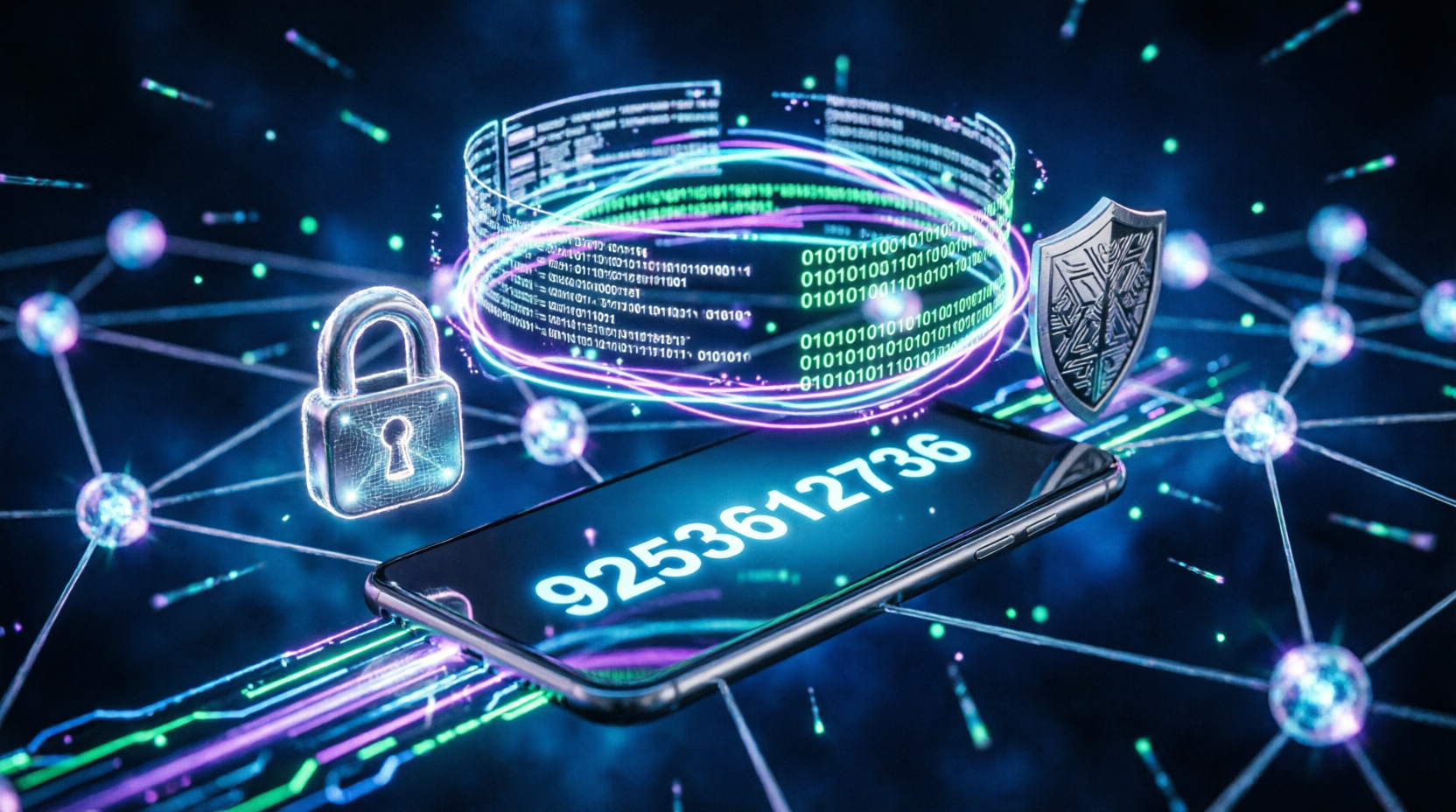
You glance at your phone and notice an unfamiliar number lighting up the screen. It reads 9253612736. You have never seen it before. You do not recognize it. And now you are left standing there, wondering whether you should pick up, ignore it, or block it immediately. If you have been wondering what 9253612736 is all about, you are far from alone. Millions of people across the United States deal with this exact situation every single day. Unknown calls have become one of the most persistent annoyances in modern life, and they are not slowing down any time soon. In fact, robocalls increased by a staggering sixteen percent heading into 2026, and the Federal Trade Commission received over 2.6 million Do Not Call complaints in fiscal year 2025 alone. Those numbers tell a clear story. Unwanted phone calls are a growing problem, and they affect people of every age and background. Whether you are a college student, a busy parent, or a retiree enjoying your afternoons, your phone is not immune.
This article is going to walk you through everything you need to know about this particular number. We will look at where it comes from, who might be behind it, why it could be reaching out to you, and most importantly, what you should do when it appears on your caller ID. By the time you finish reading, you will have the knowledge and confidence to handle not just this call, but any suspicious call that comes your way.
Understanding the 925 Area Code Behind 9253612736
Before we get into the bigger picture, it helps to understand what the number itself tells us at face value. When written in its standard format, this number looks like (925) 361-2736. That first set of three digits is the area code, and area codes carry useful geographic information.
The 925 area code was established back in 1998. It came into existence when the older 510 area code, which had been serving a large chunk of the East Bay, was split along the natural boundary of the Berkeley Hills. The split was necessary because the region’s population had grown so much that the 510 code simply ran out of available number combinations.
Today, the 925 area code covers the eastern portion of the San Francisco Bay Area in Northern California. It primarily serves Contra Costa County along with portions of eastern Alameda County. If you have ever visited or heard of cities like Concord, Walnut Creek, Pleasanton, Livermore, San Ramon, Antioch, or Dublin, those are all part of the 925 territory. It is a well-populated suburban region with a healthy mix of residential neighborhoods, corporate offices, and small businesses.
So on the surface, a call from 9253612736 looks like a perfectly ordinary local call from someone in the California Bay Area. But here is the catch. Modern phone technology makes it incredibly easy for callers to disguise where they are actually located. Voice over Internet Protocol systems, commonly known as VoIP, allow anyone to place a call that displays any area code they choose. That means the person or system behind 9253612736 could be sitting in California, or they could be operating from the other side of the country. The area code alone is simply not enough to confirm the caller’s true location or identity.
Does This Number Belong to a Known Business or Person?
This is the question that drives most people to search online in the first place. Unfortunately, the answer is not as straightforward as you might hope. As of now, no public record, government agency, or well-known company has officially claimed ownership of this phone number. There is no business listing attached to it, no verified profile on any major directory, and no corporate website that displays it as a customer service line.
That does not automatically mean the number is dangerous. Phone numbers change hands more often than most people realize. When someone cancels their phone plan or switches carriers, their old number goes back into a pool of available numbers. After a while, the carrier reassigns it to a completely different person or organization. So the number could belong to a perfectly ordinary individual who recently got a new phone line. It could also belong to a small business that has not bothered to register its number publicly.
However, the absence of any verified owner is itself a reason to proceed with caution. You do not need to panic, but you also should not rush to answer or share personal details with someone you cannot identify.
Common Reasons Behind Calls From 9253612736
Understanding why an unknown number might be calling you is half the battle. Most calls from unfamiliar numbers fall into a handful of predictable categories. Knowing what those categories are makes it much easier to decide how to respond.
Automated Dialing and Robocall Systems
The most common explanation for unexpected calls is automated dialing. Businesses and scam operations alike use computer systems that cycle through enormous lists of phone numbers, dialing thousands of them every hour. When someone picks up, the system either plays a prerecorded message or connects the call to a live operator. According to the FTC’s most recent report to Congress, the vast majority of Do Not Call violations now involve automated robocalls rather than live telemarketers. Your number may have simply ended up on a purchased marketing list, or it could have been randomly generated by the dialing software. Either way, the call is impersonal. The system does not know who you are. It is just working through a long list and hoping someone answers.
Telemarketing and Promotional Campaigns
Not every unknown call is a scam. Some are legitimate businesses trying to reach potential customers. Telemarketing remains legal in many contexts, and companies use it to promote everything from health insurance plans to home improvement services. The FTC tracks the most commonly reported categories of unwanted telemarketing calls, and the list includes debt reduction schemes, extended auto warranty offers, energy and solar panel promotions, and medical or prescription inquiries. Even when these calls are legal, they can still be disruptive, especially when they come repeatedly or at inconvenient times.
Caller ID Spoofing and Neighbor Scams
This is where things get more concerning. Caller ID spoofing is a technique where the caller deliberately disguises their real phone number so that a different number shows up on your screen. Scammers use this trick constantly because it works. When you see a number that shares your own area code and even your local exchange, you are far more likely to answer. This tactic is called neighbor spoofing, and it is one of the most effective tools in a scammer’s playbook.
The problem is widespread. Analysis shows that fewer than half of the phone companies operating in the United States have fully installed the required robocall-fighting software mandated by the FCC. That means spoofed numbers continue to slip through the cracks with alarming regularity. A call that looks like it is coming from your neighbor down the street could actually be originating from a call center on another continent. So when you see 9253612736 show up on your screen, keep this reality in mind before drawing any conclusions.
Wrong Numbers and Recycled Phone Lines
Of course, not every unexpected call has a sinister explanation. Sometimes it really is just a wrong number. Someone misdialed, punched in one wrong digit, and ended up reaching your phone instead of the person they intended to call. Other times, the number was recently recycled by a carrier, and the new owner’s contacts have not yet updated their records. These calls are harmless, but they can still be confusing, especially when a number like 9253612736 shows up more than once.
Evaluating Whether 9253612736 Is a Scam Call
Here is the honest truth. Without verified owner information, the safety of any phone number cannot be confirmed with absolute certainty. What we can do is look at the available evidence and make an informed judgment.
Multiple users on caller-reporting websites have flagged 9253612736 for various types of suspicious behavior. Some reported receiving silent calls where no one spoke on the other end. Others said they heard a recorded message when they picked up. A few noted that the caller refused to identify themselves when asked directly. These patterns are consistent with robocall behavior and, in some cases, with potential scam activity.
That said, it is worth remembering that these reports are user-generated and reflect individual experiences. Not every call from this number will necessarily follow the same pattern. The smart move is to treat it as unverified until you have clear evidence that the caller is legitimate.
Warning Signs That a Call Could Be Fraudulent
Whether you are evaluating this specific number or any other unknown caller, there are several red flags that should immediately raise your guard. If the caller creates a false sense of urgency, claiming that you will be arrested, that your account will be frozen, or that you must act right now, that is a classic scam tactic. Legitimate organizations do not threaten you over the phone.
If the caller asks for sensitive personal information such as your Social Security number, bank account details, or credit card numbers, hang up immediately. No real government agency, bank, or service provider will ever demand this information through an unsolicited phone call. Another major warning sign is a request for payment through unusual methods like gift cards, wire transfers, or cryptocurrency. These payment methods are virtually untraceable, which is exactly why scammers prefer them.
Finally, if the caller refuses to provide a callback number, a company name, or any verifiable identification, treat the call as suspicious. Legitimate callers have no reason to hide who they are. Scam patterns reported from the 925 area code specifically include fake Social Security Administration threats, fraudulent debt collection demands, and phony legal service claims. Residents of the East Bay region have been targeted by these schemes with increasing frequency.
How Phone Scams Have Evolved in 2026
The phone scam landscape is not static. It evolves every year, and 2026 has brought some particularly concerning developments. Artificial intelligence has made it dramatically easier for scammers to sound convincing. AI-generated voices can now mimic real people with startling accuracy, making it possible for a scammer to sound like your bank representative, your employer, or even a family member in distress.
Beyond voice cloning, scammers are using artificial intelligence to aggregate information from data breaches and social media profiles. This allows them to craft highly personalized scripts that reference your real name, your address, or recent purchases. The result is a call that feels disturbingly personal and credible. Research shows that nearly half of Americans doubt they could identify an AI-generated robocall, which means these techniques are working.
The FTC has also noted a growing trend of scammers routing calls through non-IP network gaps to evade detection. Some even originate calls inside trusted carrier networks using banks of SIM cards, making their spoofed numbers harder to flag and filter.
Step-by-Step Response When You See 9253612736 on Your Phone
Knowing the risks is important, but knowing what to do about them is even more valuable. Here is a straightforward plan you can follow the next time 9253612736 or any other unfamiliar number appears on your screen.
Let the Call Go to Voicemail
This is the simplest and most effective first step. If the caller is legitimate, they will leave a message. If it is a robocall or a scam attempt, the system will most likely hang up without leaving anything. A 2025 report from TNS found that eighty percent of consumers now avoid answering calls from unknown numbers. That is not paranoia. That is common sense in today’s environment. Letting voicemail do the screening for you costs nothing and protects you from engaging with a potentially harmful caller.
Search the Number Before Calling Back
Resist the urge to call back immediately. Instead, take thirty seconds to type the number into a search engine. Adding words like “scam” or “spam” or “complaint” to your search will surface relevant results quickly. Reverse-lookup services such as Whitepages, Truecaller, and CallerSmart allow you to check a number against community-reported databases. Many of these services are free, and they can give you a quick sense of whether other people have had negative experiences with the same caller.
Use Your Phone’s Built-In Spam Filters
Modern smartphones come equipped with surprisingly capable spam-filtering features. If you use an iPhone, the Silence Unknown Callers setting will send all calls from numbers not in your contacts directly to voicemail. On Android devices, the Google Phone app displays spam warnings when it detects a number that has been widely reported. Major carriers also offer their own call-blocking tools, many of which are included at no extra cost with your phone plan. These tools are not perfect, but they add a meaningful layer of protection.
Block and Report the Number
If you are confident that a call is spam or a scam attempt, block the number through your phone settings. On most devices, this takes just a few taps. Beyond blocking, reporting the number matters more than you might think. You can file a complaint through the FTC’s online portal or through the FCC’s consumer complaint center. The National Do Not Call Registry now holds a record 258 million telephone numbers, and every complaint you file contributes to the pattern data that regulators use to build enforcement cases. Since the registry launched in 2003, the FTC has filed 173 enforcement actions against 570 companies and collected nearly four hundred million dollars in penalties. Your single report joins a much larger effort.
Long-Term Strategies to Reduce Unwanted Calls
Dealing with one suspicious number is important, but building lasting habits is what truly keeps you safe over time. These strategies will reduce the volume of unwanted calls you receive and make you a harder target for scammers.
Registering your number on the National Do Not Call List is a good starting point. While scammers will obviously ignore it, legitimate telemarketing companies are legally required to honor the registry. Signing up is simple and free.
Installing a trusted call-screening application provides another layer of defense. These apps compare incoming numbers against databases containing millions of user-reported complaints and known scam numbers. When a flagged number calls you, the app displays a warning before you even have a chance to answer.
The most important habit of all is straightforward. Never share personal information with an unsolicited caller. No matter how convincing they sound, no matter how urgent the situation seems, hang up and contact the organization directly through a number you find on its official website. This one rule, followed consistently, defeats the vast majority of phone scams.
Keeping your phone’s operating system updated also helps more than most people realize. Software updates frequently include improvements to call-filtering capabilities and security patches that help carriers implement the STIR/SHAKEN authentication framework more effectively. This framework is the backbone of the industry’s effort to verify caller identities and flag spoofed numbers before they reach your phone.
Official Channels for Reporting 9253612736
If you believe you have received a scam call, reporting it through the right channels can make a real difference. The FTC’s complaint portal is one of the most effective tools available to consumers. Every report feeds into a database that analysts use to identify scam patterns, trace repeat offenders, and build cases for legal action.
The FCC’s consumer complaint center handles reports related to caller ID spoofing, unauthorized robocalls, and violations of telecom regulations. Your state attorney general’s office is another valuable resource, particularly for scams that target residents of a specific region. Community-driven platforms where users log and review suspicious numbers also play a role. These crowd-sourced databases often provide the fastest early warnings about new scam campaigns, sometimes identifying patterns days or weeks before official enforcement agencies catch up.
Conclusion
Receiving a call from an unknown number like 9253612736 can be unsettling, but it does not have to leave you feeling helpless. By now, you understand where this number appears to originate, why it might be contacting you, and what steps you can take to protect yourself. The evidence gathered from online reports suggests that 9253612736 has been associated with robocall-like behavior, and no verified owner has stepped forward to claim it publicly. That combination of factors warrants caution, though not necessarily alarm.
The broader reality is that phone scams remain a serious and growing problem in 2026. Robocalls have surged, artificial intelligence has given scammers new tools to sound more convincing, and the average financial loss from phone-based scams continues to climb. But the defense is not complicated. Let unknown calls go to voicemail. Search the number before calling back. Use your phone’s built-in spam filters. Block and report anything suspicious. And above all, never share personal information with someone you did not contact yourself.
These habits take almost no effort to maintain, yet they provide a powerful shield against the vast majority of phone scams. The fact that you took the time to research this number before reacting to it shows that you are already thinking the right way. Stay curious, stay cautious, and trust your instincts when something does not feel right. That combination will serve you well every time your phone rings.
1. Who owns the number 9253612736? No verified owner has been publicly identified for this number. There is no business listing, government record, or corporate profile attached to it, so it is best to treat it as unverified until proven otherwise.
2. Is 9253612736 a robocall? Multiple users on caller-reporting websites have flagged this number for behavior consistent with robocalls, including silent calls and prerecorded messages. However, not every call from this number will necessarily follow the same pattern.
3. Should I answer a call from 9253612736? The safest approach is to let the call go to voicemail. If the caller is legitimate, they will leave a message. If it is a robocall or scam attempt, the system will almost certainly disconnect without saying anything.
4. Can I block 9253612736 permanently on my phone? Yes, both iPhone and Android devices allow you to block specific numbers through your phone settings or recent call log. Once blocked, calls and texts from that number will no longer reach you directly.
5. Where can I report 9253612736? You can report suspicious calls to the FTC through its online complaint portal, to the FCC through its consumer complaint center, or to your state attorney general’s office. Each report contributes to the enforcement data used to shut down scam operations.
6. What area code is 925 and where is it located? The 925 area code covers the eastern San Francisco Bay Area in Northern California. It was created in 1998 and serves cities including Concord, Walnut Creek, Pleasanton, Livermore, San Ramon, Antioch, and Dublin.
7. Can scammers fake a 925 area code number? Yes, caller ID spoofing allows scammers to display any area code they choose, including 925. The call could originate from anywhere in the world regardless of the number that appears on your screen.
8. What is caller ID spoofing and how does it work? Caller ID spoofing is a technique where the caller deliberately masks their real phone number and displays a different one on your screen. Scammers use VoIP technology and internet calling platforms to appear local and trustworthy so you are more likely to pick up.
9. What happens if I accidentally answer a call from 9253612736? Answering a single unknown call does not automatically compromise your security or install anything on your phone. However, it does confirm to the calling system that your number is active, which could result in more frequent spam calls being directed to you in the future.
10. Can someone hack my phone just by calling me from 9253612736? No, simply receiving or answering a phone call cannot hack your device. Phone calls are voice connections and do not transfer files or install software. The real danger comes from what you share during the conversation, such as passwords, banking details, or Social Security numbers.
11. What should I do if I already shared personal information with this caller? Act quickly by changing the passwords on any accounts you may have discussed. Contact your bank immediately to alert them of potential fraud, and monitor your financial statements closely for any unauthorized transactions over the next several billing cycles.
12. Why does 9253612736 call and hang up without saying anything? Silent calls or “one-ring” calls are a common robocall tactic. Automated dialing systems often call thousands of numbers simultaneously. When someone picks up, the system checks if the line is active. If no operator is available, the system disconnects, leaving you with a silent or dropped call.
13. Are robocalls illegal in the United States? Most robocalls made to numbers on the National Do Not Call Registry are illegal unless the consumer has given prior written consent. The FTC and FCC actively pursue enforcement against violators, and combined penalties have reached nearly four hundred million dollars since the registry launched.
14. How do I register my number on the Do Not Call list? You can register for free by visiting donotcall.gov or by calling 1-888-382-1222 from the phone number you want to register. The registry now holds over 258 million phone numbers and requires legitimate telemarketers to honor your request within 31 days.
15. What is the STIR/SHAKEN framework and does it protect me? STIR/SHAKEN is a caller ID authentication technology mandated by the FCC. It uses digital certificates to verify that a caller is authorized to use the number displayed on your screen. While it has improved call verification among major carriers, smaller providers are still catching up with full implementation.
16. Why do I still get spam calls even though I am on the Do Not Call Registry? The registry effectively stops legitimate telemarketers, but scammers and criminal operations ignore it entirely. Their calls originate from overseas or through VoIP platforms that make enforcement difficult. That is why combining the registry with call-blocking apps and phone settings provides the strongest protection.
17. What is neighbor spoofing and why is it effective? Neighbor spoofing is when a scammer displays a phone number that shares your own area code and local exchange prefix. This makes the call look like it is coming from someone nearby, which dramatically increases the chance that you will answer. It is one of the most widely used tactics in phone fraud today.
18. Can I trace who is really behind a call from 9253612736? Regular consumers cannot trace spoofed calls on their own. However, reverse-lookup services like Whitepages, Truecaller, and CallerSmart can sometimes provide clues. For serious cases involving financial loss or threats, law enforcement and the FCC have traceback tools that can identify the originating carrier.
19. What are the most common phone scams in 2026? According to the FTC, the most frequently reported phone scams involve debt reduction schemes, impersonation calls pretending to be from government agencies or family members, fake medical or prescription inquiries, energy and solar panel pitches, and home improvement offers. AI-generated voice scams are also rising sharply.
20. How much money do people lose to phone scams on average? The FTC reported that the average financial loss from scams that started with a phone call reached $3,690 in the first half of 2025. Losses vary widely depending on the scam type, but older adults and people unfamiliar with spoofing technology tend to lose the most.
21. How can I tell the difference between a spam call and a scam call? A spam call is any unwanted call, often from legitimate businesses doing aggressive marketing. A scam call has criminal intent and aims to steal your personal information or money. The key distinction is intent. Spam is annoying but usually harmless, while scams can cause real financial and identity damage.
22. Does declining or rejecting a call from 9253612736 alert the caller? Declining a call can sometimes signal to automated systems that your number is active, similar to answering. The safest approach is to simply let the phone ring until it goes to voicemail. This way, the system is less likely to confirm your number as a live target.
23. What apps can help me block spam calls like 9253612736? Several trusted apps provide effective spam-call protection, including Truecaller, Hiya, RoboKiller, and your carrier’s own call-filtering tools. These apps compare incoming numbers against databases of millions of user-reported complaints and automatically warn you or block the call before it reaches you.
24. Is it safe to call back 9253612736 to find out who it was? Calling back an unknown number is generally not recommended. If the number is linked to an international or premium-rate line, you could face unexpected charges on your phone bill. If it is a scam operation, calling back confirms your number is active and may lead to more aggressive targeting in the future.